

Expert Parenting, Family and Child Development Articles
Parenting comes with a lot of questions, especially during the early years. This space was created to give families trusted, easy-to-understand guidance grounded in child development research and real-life parenting experience.
Inside our article library, you’ll find medically reviewed and expert-written content covering everything from developmental milestones and sensory play to emotional regulation, learning, behavior, sleep, and everyday parenting challenges for children ages 0 to 5.
We believe parents should have access to practical information that feels useful, not overwhelming. Our goal is to help you better understand how young children grow, learn, communicate, and connect through play and daily interaction.
Whether you're looking for toddler activity ideas, research-backed parenting tips, or support through a specific developmental stage, you’ll find resources designed to meet families where they are.
Browse our latest articles below.

Co-Regulation Starts With You: Calming Your Own Stress Is the Real Skill
Every "just stay calm" tip skips the hard part: you can't hand your child a calm you don't have. Here's why tending your own stress is the real parenting skill, and why you were never meant to do it alone.
How to Read to Your Toddler So It Actually Counts
You already know reading to your child matters. A 2026 study from one of the world's largest child cohorts shows just how much reading often matters, and a simple, well-studied method makes each read do even more.
Play-Based Learning: How Do You Know Your Child Is Actually Learning?
You already suspect play is good for your child. The question the flashcard marketing preys on is sneakier: if they're just playing, how do I know they're learning? A 2026 review answers it.

Why Giving Your Child Feeling Words Helps Them Manage Big Emotions
One of the most powerful tools for a child's big feelings is surprisingly simple: words. New research links the feeling words a child knows to how well they can understand and manage what they feel.
How to Choose the Right Toddler Class for Your Child (Not Just the Nearest One)
Music, sensory, art or open play? Every program calls itself the best one. A Family Life Educator walks you through matching a toddler class to the child you actually have, by age and temperament, with shy and busy kids included.
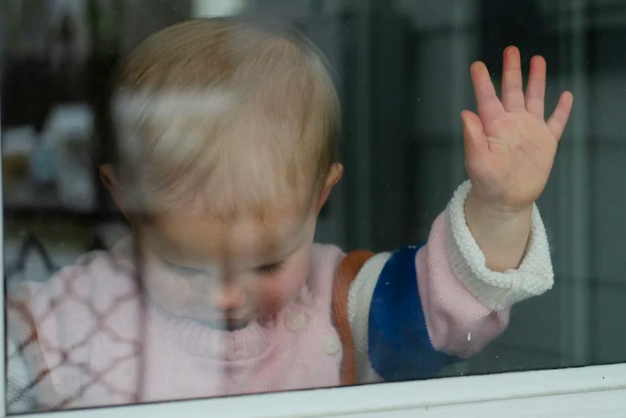
Toddler Separation Anxiety at Drop-Off: How to Make Goodbyes Easier
A hard goodbye usually means something is going right. Here's what's behind your toddler's tears at drop-off, plus a calm, repeatable good goodbye you can start using tomorrow morning

How Safe, Predictable Routines Shape Your Child's Developing Body
Steady, loving caregiving does real work at the level of the body. Here's the reassuring science on why small, predictable routines help your child feel safe and grow.
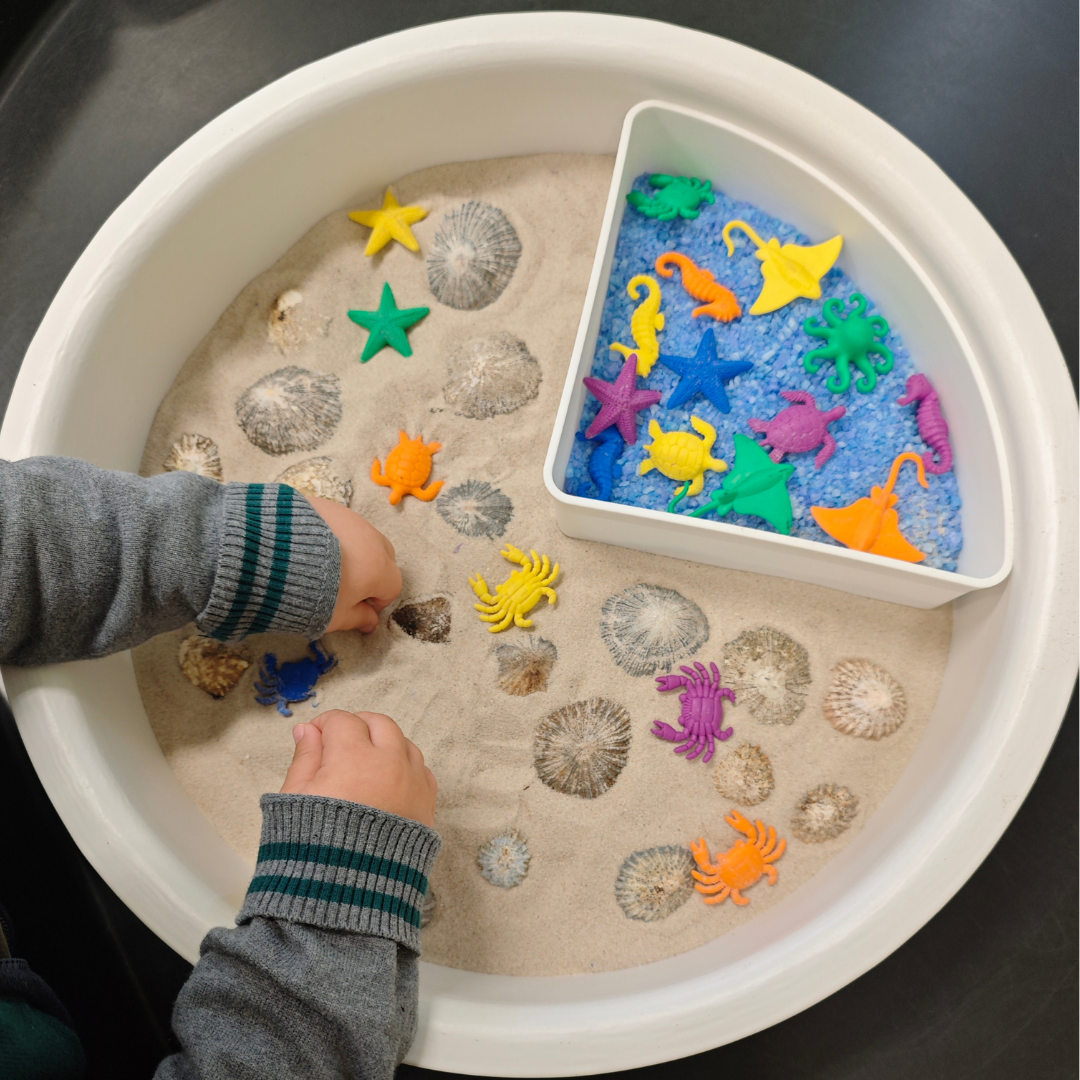
Sensory Play for 1-Year-Olds: What Actually Works, and What Your Toddler's Brain Is Doing
Skip the Amazon kits. Real sensory play for a 1-year-old is a tray, a few minutes and you on the floor, and it's quietly building your toddler's brain.

Indoor Toddler Activities on Staten Island: A Family Life Educator's Guide for Rainy Days
Rain in the forecast and a toddler who wants out? A Staten Island parent's real guide to indoor mornings, from free library story times to walk-in Grown-Up & Me classes, plus 15-minute setups you can build at home.

Why Does My Toddler Hit Me? A Calm, Evidence-Based Answer From a Family Life Educator
Your toddler hauls off and hits you, then eats a cracker like nothing happened. You're not failing. Here's what's going on in that little brain, and the three-line script that helps more than any lecture.
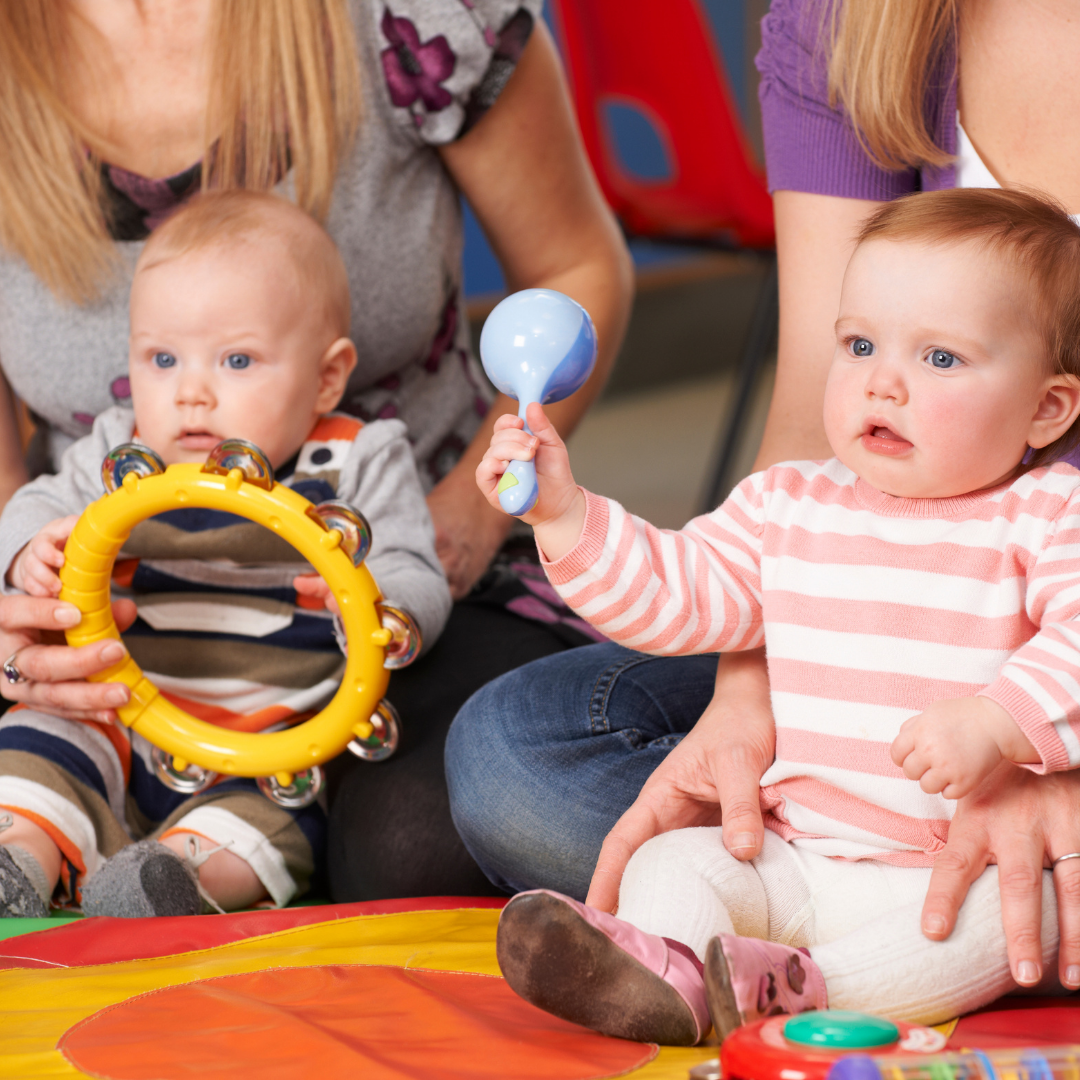
Is My Baby Too Young for Music Class? What New Research Says About Babies and Music
Wondering if your baby is too young for music class? New brain research says no. Here's what's happening when your 3-month-old's legs start kicking to a song, and how to pick a class that fits how babies learn.
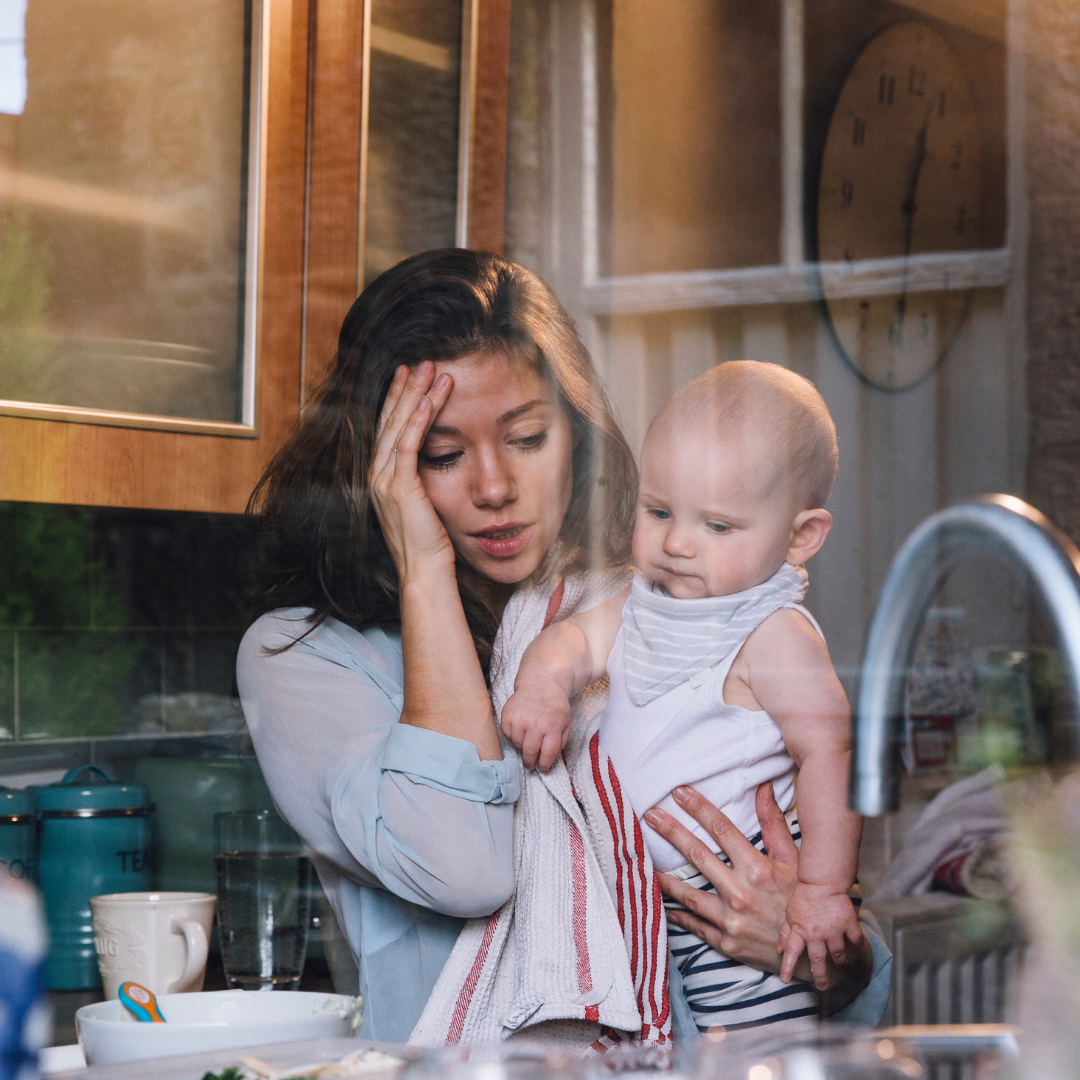
Toxic Stress in Children: What Harvard's 2026 Research Means for Families
You've probably seen "toxic stress" thrown around online and wondered if you've already done damage. Harvard's 2026 research is calmer and more freeing than the headlines, and it points to the one protective factor that matters most: you.
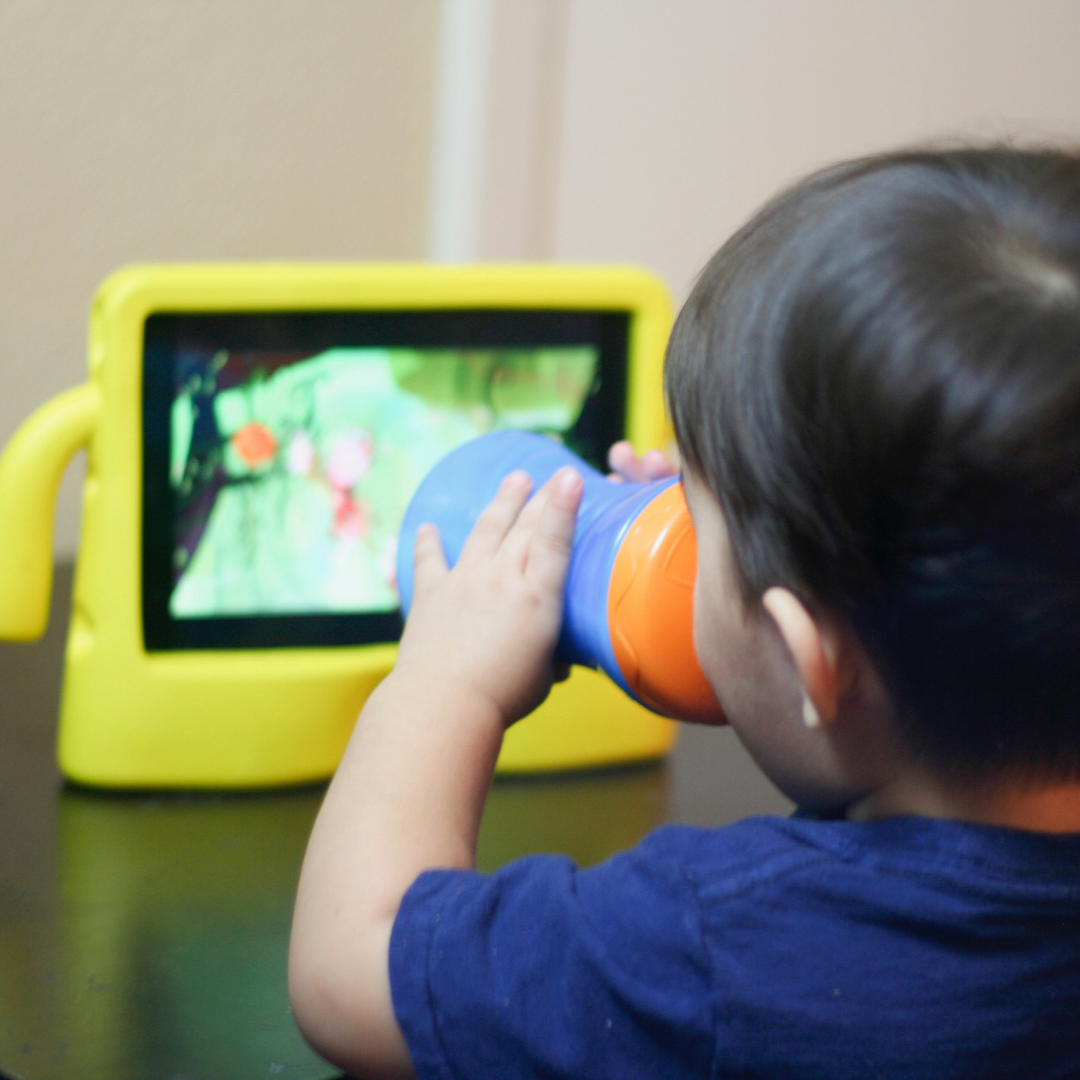
Toddler Screen Time in 2026: The Average 2-Year-Old Now Gets 2 Hours a Day. Here’s What You Need to Know
The newest screen-time research feels familiar and a little uncomfortable: the average 2-year-old now spends about two hours a day on screens. Before the guilt sets in, here's the calmer, more useful read on what it means and what actually helps.

How to Plan a Developmentally Appropriate 2nd Birthday Party (Without Overwhelming Your Toddler)
Planning your toddler's second birthday? Here's what really works for 2 year olds, plus calmer, lighter ideas your child will actually love.
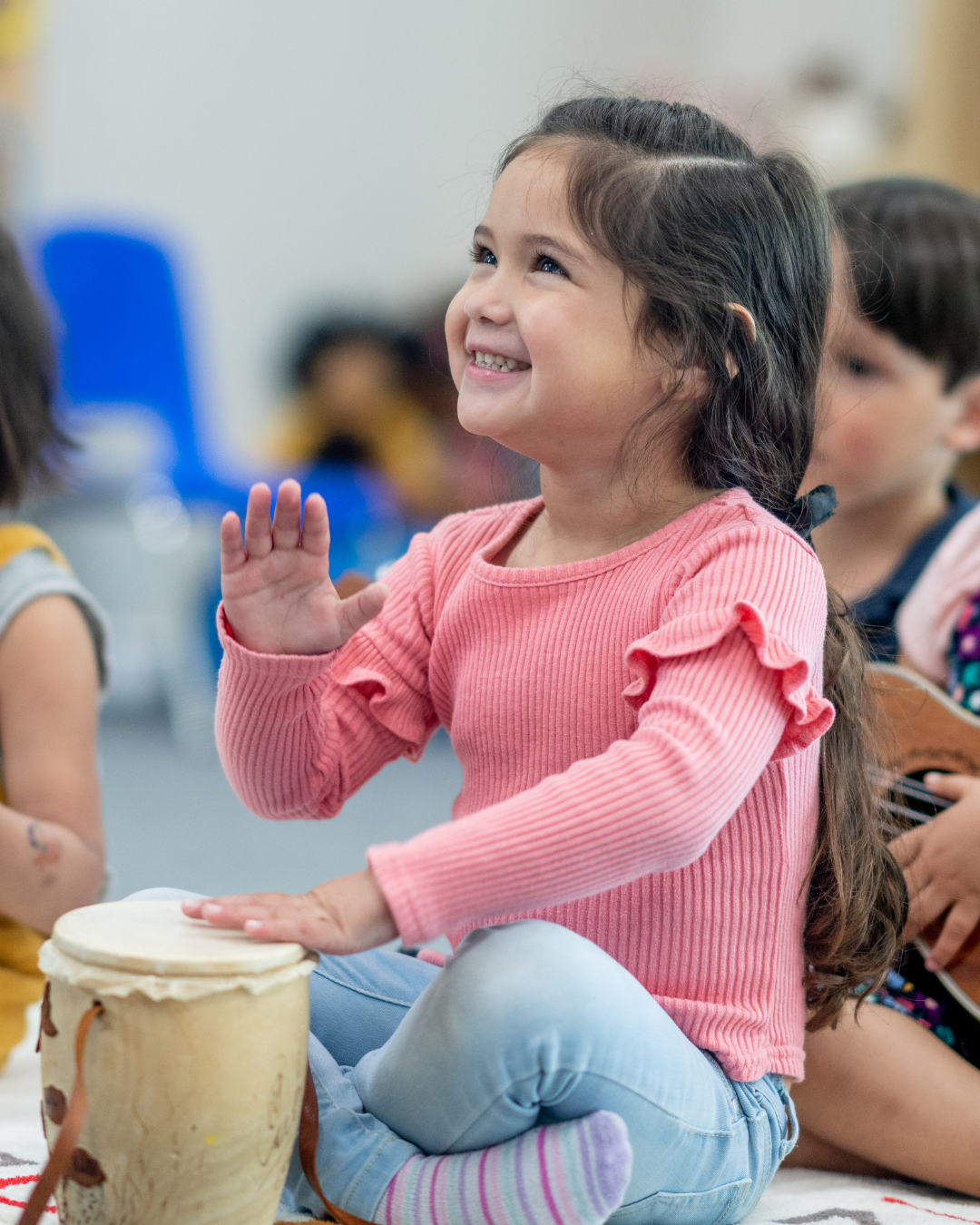
Music Classes for Toddlers: The Real Benefits, Backed by Research
A good toddler music class is more than a fun morning out. Here is what the research actually says, and what to look for in a class worth your time.

Gentle Parenting Strategies for Holiday Harmony
Amidst the whirlwind of holiday festivities, where the expectations to create a picture-perfect experience can feel overwhelming and our daily routines are upended, the principles of gentle parenting emerge as a steadfast guiding star to help all of us make it through the holiday season.
In navigating the seasonal challenges unique to this time of year, let’s explore and solidify our approach with some high-level gentle techniques tailored to different age groups.

“Am I a Good Parent?” Understanding the Basics of Effective Parenting
Parenting is an ever-evolving journey filled with challenges, joys, and countless opportunities for growth. If you’re asking if “I am a good parent?” you’re not alone. Here’s a look at what is considered effective parenting, emphasizing the core elements that shape a harmonious family life.
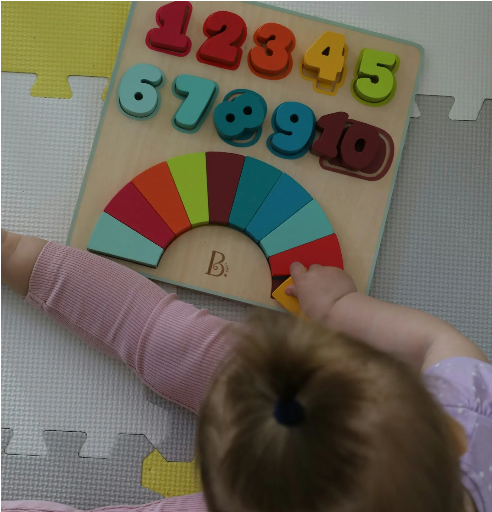
9 Amazing Activities for 2-Year-Olds That Support Learning, Creativity and Growth
Curiosity and boundless energy define life with a 2-year-old. At this stage, children explore their world with fresh eyes, learning through movement, repetition and discovery. Choosing the right activities can meaningfully support early development, helping toddlers build foundational skills while having fun.

Charting the Path to Wholesome Family Living: The Essence of the Ten Core Content Areas in Family Life Education
Embarking on the intricate journey of family life requires a multidimensional understanding, and Family Life Education (FLE) stands as the compass guiding individuals and families through this enriching expedition.
Within this expansive realm, ten core content areas unfold, each contributing a unique thread to the rich tapestry of holistic development for individuals and families.

Family Life Education: Nurturing Stronger Bonds and Lifelong Learning
Family life is a dynamic journey filled with shared experiences, challenges, and moments of growth. At the heart of this journey lies the profound concept of Family Life Education (FLE).
But what does Family Life Education really mean, and how does it contribute to building stronger, more resilient families?