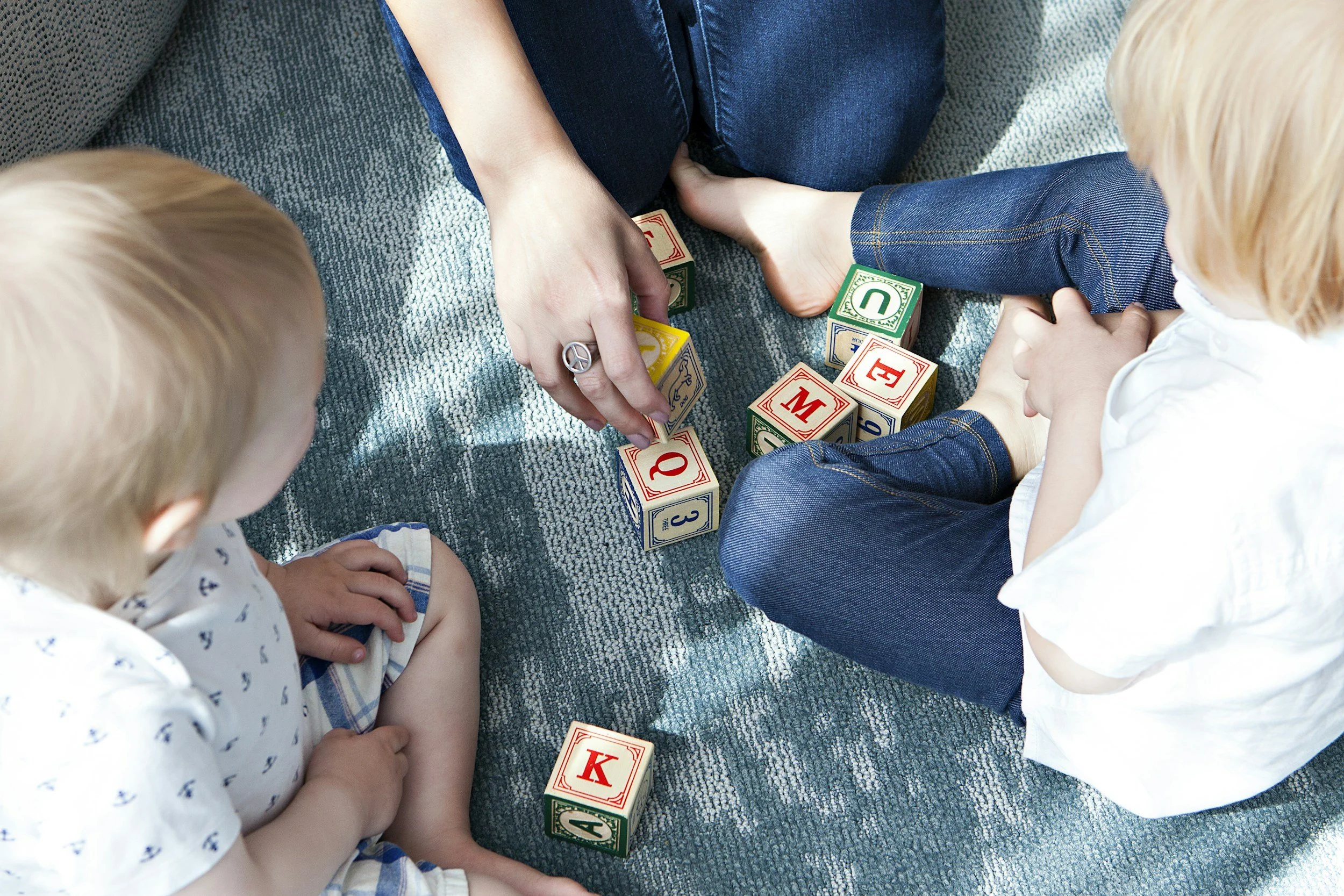
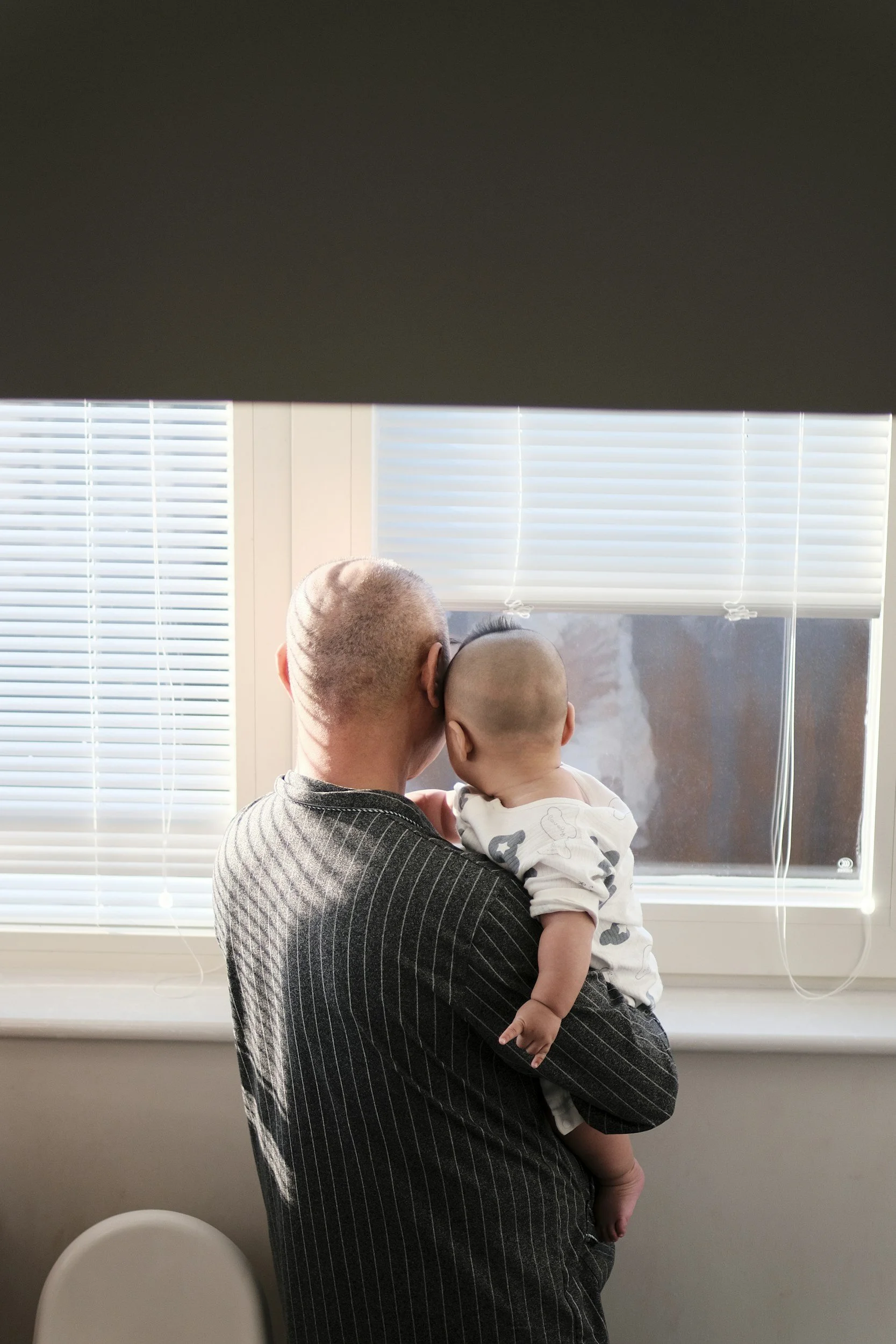
How to Choose the Right Toddler Class for Your Child (Not Just the Nearest One)
Music, sensory, art or play? Before you pick a toddler class by what's nearest or what a friend's kid loved, a Family Life Educator walks you through matching a class to your child's age, stage and temperament, shy and busy kids included.
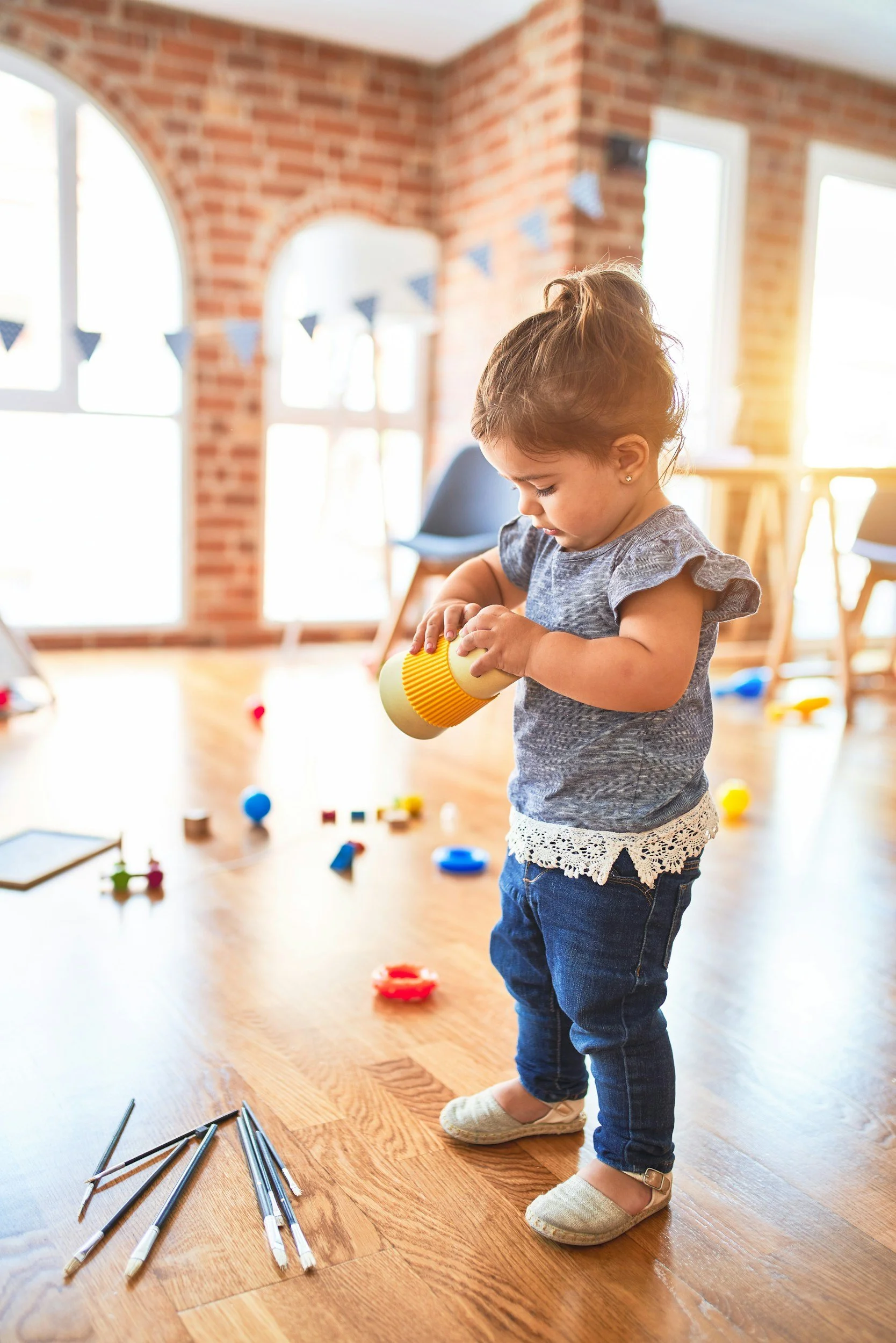
With so many types of toddler classes available, finding the best one for your child is based on something called “goodness of fit.”
Stand in front of a list of toddler classes and it's easy to feel stuck or confused. Music, movement, sensory, art, gym, open play. Every program and class calls itself the “best” one, claims it’s evidence-based, taught by people with wow-worthy credentials (or not), are part of a large franchise (sometimes), and is self-reported as “unique” and the answer to your family’s problems. The more useful question is quieter though: which class fits the child you actually have, at the age they are right now? Start there and the list gets a lot shorter.
Start with your child's temperament, not the class schedule
Most parents pick a class the way they pick anything. By reviews, by what a friend's kid loved, by what's 10 minutes from home. Those things matter and they're just the second step. The first step is actually the small person you already know better than anyone.
Child development researchers have a plain term for what you're after: goodness of fit. It's what happens when the demands and the style of a setting line up with a child's own temperament and pace. Good fit, and a kid relaxes and digs in. Poor fit, and even a lovely program turns into a disaster. The idea traces back to the temperament work of Alexander Thomas and Stella Chess, who found that how a child does often rides less on temperament itself and more on how well the people and places around them match it.
You don't need a formal label for your toddler. Picture them walking into somewhere new. Do they charge in or hang back? Does a loud, crowded room wind them up or wear them out? That read is most of the work.
Match the class to your child's temperament
Most toddlers settle into one of a few patterns, and the Infant Toddler Temperament Tool is a clear primer if you want one. About 15% of children are slow to warm up, by the classic estimates. The patterns tend to play out like this.
The busy mover: A toddler in constant motion needs room to move and a forgiving structure. They focus more heavily on the movement aspect of a music and movement class and fully exert all energy in a kids’ gym or in a gross motor play focused open play class. A class that asks for long stretches of sitting will frustrate both of you, because movement is how this kid takes in the world and how they process what they’re learning.
The slow-to-warm-up watcher: If your toddler studies a room from your lap before joining, that's a temperament to respect, not shyness to fix. These kids bloom with a predictable routine and a grown-up who stays close. Give them permission out loud with something as simple as, "You can watch from my lap as long as you need. We'll join the song when you're ready." This tells a cautious toddler the watching is allowed. In our Grown-Up & Me classes, we'll see a 2-year-old spend the start of class glued to a hip, then start handing out shaker eggs by the end of class. Treat the watching as the work, not a delay in it. A music class is a great fit!
The easily overstimulated child: Bright lights and big, loud rooms can tip some toddlers over fast. Smaller groups and calmer sensory settings suit them better. A gentle sensory or art class often is a perfect fit.
The deep focuser: Some toddlers like to stay with one material for a long stretch. Sensory, any art and Montessori-style settings that allow sustained, child-led exploration tend to fit this child, more than a class that hops quickly from one thing to the next.
Look for a class that reflects the real-world learning
We build our classes differently from a lot of programs based on how development happens in the real-world. Ages mix on purpose (with the exception of our baby sing and sign class), and the same activity does a different job depending on where a child is. One shaker song builds cause and effect for a 9-month-old, a steady beat for a 2-year-old, and turn-taking or early counting for a 4-year-old. That's one activity working on several levels at once.
It's closer to how kids actually grow up. Siblings, cousins, the kids at the park, none of it gets sorted by birth year or month. A mixed-age room lets a younger child stretch toward what the big kids are doing and gives an older child a chance to practice patience and a little leadership.
It also takes the pressure off. When a class isn't a row of same-age toddlers all reaching for the same milestone on the same morning, there's nothing to measure your child against minute to minute. Your toddler follows their own developmental progression instead of a chart on the wall, and you get to breathe. Real life isn't sorted by birth year, and the best learning rarely is either.
Programs that slot children into strict age-range stages can feel tidy and reassuring on paper. The catch is that development doesn't move in neat bands, and rigid stages tend to add quiet pressure on kids and parents to keep pace with the group.
The point is this: A well-qualified educator with extensive expertise in childhood development should be able to tailor appropriate activities or set-up for a wide age-range.
A quick guide to common toddler class types
Music and movement: singing, rhythm, instruments, lots of moving. Strong for language and gross motor skills, and forgiving of wiggly bodies. (See our Family Music class)
Sensory and art: hands-on textures and simple making. Calming for a lot of kids, rich for language and fine motor skills. (See our Sensory Art classes)
Gross motor and gym: climbing, balancing, big body play, ideal for movers who need to burn energy and build coordination.
Open play: less structured, child-led time with a grown-up right alongside, good for cautious kids who like to set their own pace. (See our Family Open Play class)
Pre-K prep: drop-off programs for a few hours that allow for gentle separation in a fun environment while giving your child the tools to eventually go to preschool
Transitional toddler programs: a mixture of grown-up and me and drop off where the goal is eventually comfortable separation and full independence into a school-like environment
Grown-Up & Me classes vs. drop-off classes: should you stay?
One of the bigger choices is whether you stay or go.
Early on, your presence is the active ingredient. A young child explores best from a secure base, the developmental term for the trusted grown-up they can move away from and circle back to, and in a Grown-Up & Me format you're that base, right there in the room. For a cautious or sensitive toddler, that's a gift. They can wander toward the bubbles, glance back to find your face, then head out again once they've refueled. That loop is how confidence gets built, and it's the same confidence a future drop-off will ask for.
So the goal isn't to rush toward drop-off or to manufacture independence on a schedule. It's to lay the groundwork so a later goodbye lands gently, with familiar faces and a predictable rhythm already in place. Zero to Three's guidance on separation anxiety says it plainly: with enough experience, a baby learns that "you do come back, every time." Readiness for separation gets built over time, not forced.
Independence doesn't cancel the need for you either. Even once your child is happy at drop-off, a Grown-Up & Me class still gives you something a solo program can't, protected one-on-one time and the kind of family bonding that doesn't always fit into a regular week. Growing more independent doesn't mean your child needs you any less. The need just changes shape.
One kind of program makes that next step harder. Some toddler classes borrow the look and intention of school, with parents staying for the whole session week after week and no plan to ever step back. It feels cozy, and it can quietly teach a child that a grown-up simply belongs at "school." Then the first true drop-off, at preschool or pre-K, becomes a tougher goodbye than it needed to be. Staying in the room is a gift when staying is the point and the eventual goodbye is part of the plan.
What to look for when you visit a toddler class
Go see a class before you decide on any commitments, and watch for a few quiet signals. Small groups and the same teachers week to week mean more attention and steadier trust. A reassuring rhythm that still leaves room for a child to follow their own interest. A teacher who coaches you on reading and responding to your child, instead of performing while you watch from the side, because those are the skills that ride home with you. Also, pay attention to how that teacher treats the kid hiding behind a parent and the one bouncing off the walls. Real warmth toward both is the clearest sign you've found the right place.
The Family Life Education view: why the grown-up matters
Happy Day Play looks at classes through a Family Life Education lens, which mostly means never losing track of what a class is for. A good class doesn't replace your role or claims they know better than you. It hands you songs, strategies and shared moments that deepen a bond that's already there. In a great toddler class, the grown-up is the active ingredient, not the audience. Family Life Education is the framework underneath the whole approach, and the thing most Grown-Up & Me programs miss is the grown-up half. They aim everything at the child and forget who's holding them. You can read more about how we work.
Toddler class FAQs: starting age, shyness and scheduling
What age should we start? There's no required age. Plenty of families begin with gentle parent and child classes in the first year or two, but fit and readiness of your child and family matter more than a head start.
My toddler is shy. Will a class help or make it worse? With the right fit, a small, predictable parent and child class gently builds a cautious kid's confidence, as long as nobody pushes them to join before they're ready.
How many classes are too many? When the schedule starts interrupting naps, downtime and easy hours at home, it's too much. One class your child loves beats a packed week.
How do I know it's working? Watch for small things over a few weeks: more ease in the room, the songs turning up at home, a little more confidence, connected time with you. Progress at this age is slow and quiet, not dramatic.
Come watch how your toddler responds in the room. It's the surest way to know if a class fits. Walk in whenever your week allows, with no commitment to sign first. (See class times)
A note on “Free Trials”:A word on free trials before you commit anywhere. Be a little wary of the free first class being advertised, as they tend to arrive with strings. Some programs use it to pull you in, then lean on you, sometimes with a side of guilt, to sign a long contract or pay a registration fee and commitment for a few months minimum with a 30 day cancellation policy. Happy Day Play's walk-in classes run the other way: walk in when the week allows, one price per family, no commitment to sign. If you want more structure, there are affordable membership programs too.
Key takeaways
- The best toddler class is the one that fits your child's temperament and stage, not the one that's nearest or the one a friend raved about.
- Match busy movers to music, movement and gym classes; slow-to-warm-up watchers to small, predictable Grown-Up & Me classes with a grown-up close by; and deep focusers to sensory, art or Montessori-style settings.
- For babies and the youngest toddlers, the bond does the real teaching, so look for lap-based classes built on connection rather than a packed curriculum.
- Visit before you commit, watch how the teacher treats both the shy child and the busy one, and be wary of free trials that come with pressure to sign a long contract.
Sources & further reading 7
- The Center for Parenting Education. Understanding goodness of fit. The Center for Parenting Education. Understanding Goodness of Fit
- Biek, D. (2024). Temperament and personality in infants and toddlers (on the Thomas and Chess model). Lifespan Development, OpenStax. Temperament and Personality in Infants and Toddlers
- Center for Early Childhood Mental Health Consultation. Infant Toddler Temperament Tool (IT3): Supporting a goodness of fit. ECMHC. Infant Toddler Temperament Tool (PDF)
- Zero to Three. Tips on temperament. Zero to Three. Tips on Temperament
- American Academy of Pediatrics. How to understand your child's temperament. HealthyChildren.org. How to Understand Your Child's Temperament
- National Association for the Education of Young Children. Developmentally appropriate practice position statement. NAEYC. Developmentally Appropriate Practice
- National Council on Family Relations. Family life education. NCFR. National Council on Family Relations
About this article
Every article on Happy Day Play is written by Kaitlynn Blyth herself, then checked against our published standards before it goes live. You can read exactly how we research, verify and fact-check our work, and how we use and limit AI, in the policies below.
Last fact-checked June 2, 2026