Fall Sensory Art for Toddlers: Easy Ideas to Try at Home
Fall is pumpkins, crunchy leaves, pinecones and cozy spices. Seasonal sensory art turns all of it into hands-on play, with easy ideas like pumpkin guts, leaf prints and apple stamping that help your toddler explore and learn.
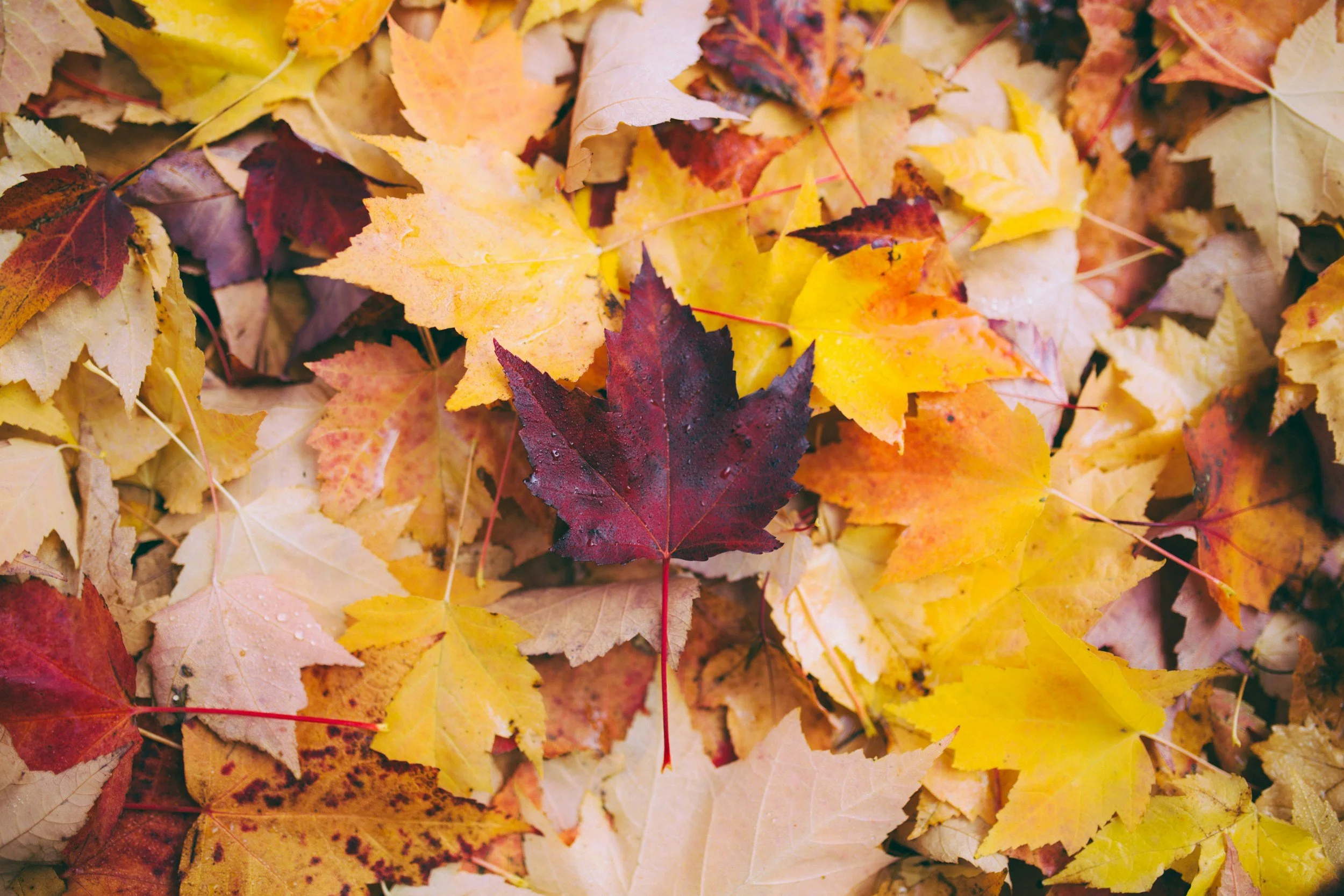
Fall is a sensory art jackpot with leaves, pumpkins, cinnamon and more!
The air turns crisp, the leaves start to crunch, and your toddler wants to touch every acorn on the sidewalk. Fall sensory art channels that pull into play, and it does real developmental work along the way.
Sensory art is open-ended play with texture, color and smell. The National Association for the Education of Young Children calls the open-ended version process art, where there's no sample to copy and no single right way to create. A pumpkin doesn't come with instructions, which is exactly what makes it such rich material.
Young children take in the world through their senses. Zero to Three notes that babies and toddlers learn largely by touching, looking and exploring. A handful of cold, stringy pumpkin guts or a fistful of crunchy leaves teaches texture, cause and effect and fresh vocabulary at once. Fall restocks the supply shelf for free, so the play stays new.
Fall sensory art ideas to try
Fall is a sensory jackpot. These ideas use what's already on the porch or in the produce drawer:
Pumpkin guts dig: Cut the top off a small pumpkin and let your toddler pull out the stringy, seedy insides with bare hands or a scoop. Cold, wet and wonderfully gross. Narrate it: "It feels so stringy. Can you find a seed?"
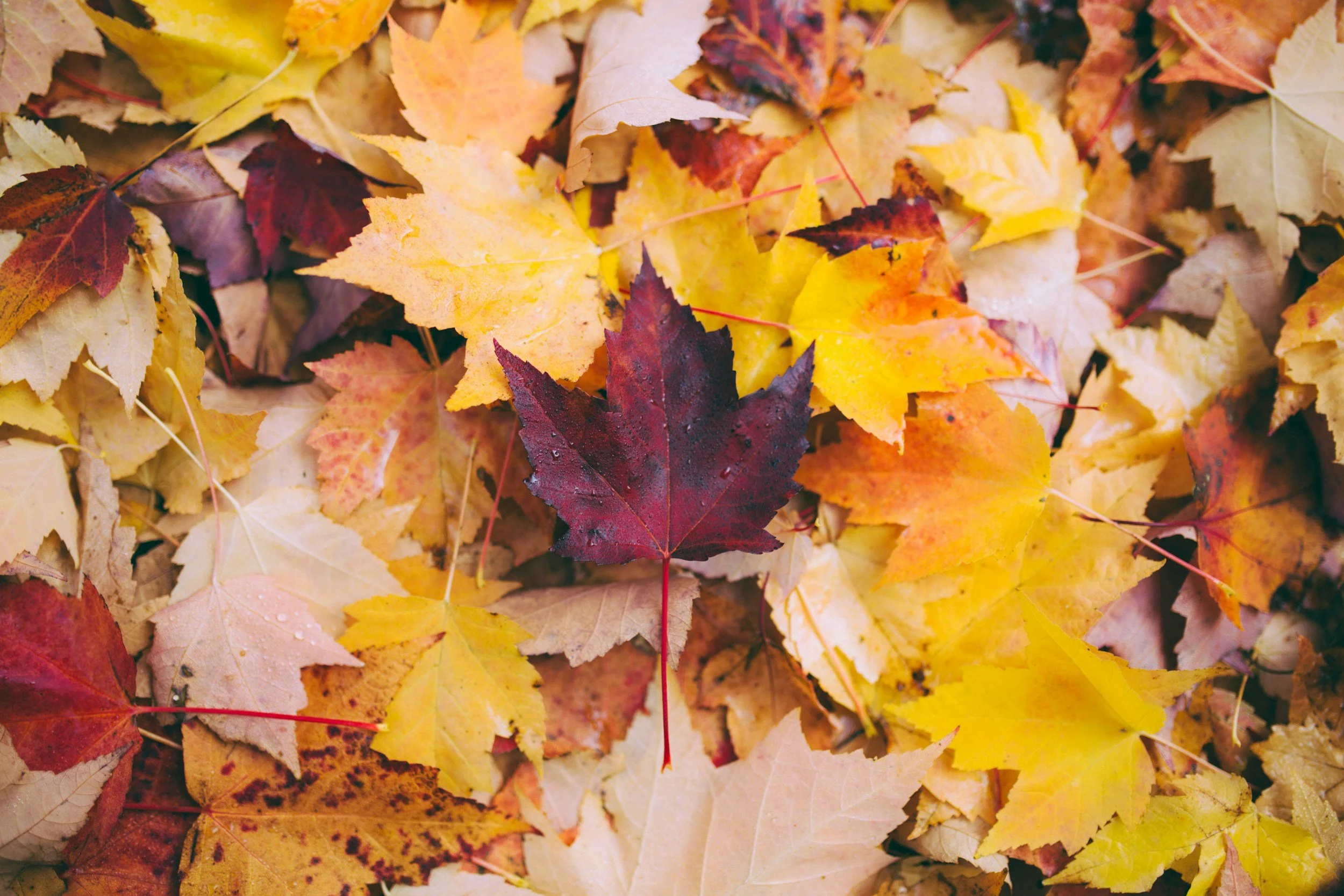
Leaf prints: Brush washable paint on the back of a sturdy leaf, press it onto paper and peel it off. Different leaves leave different veins, which keeps your child coming back to try another.
Pinecone painting: Hand over a pinecone and a little paint and let your child roll, dab or dunk. The bumpy texture makes a print no brush can copy.
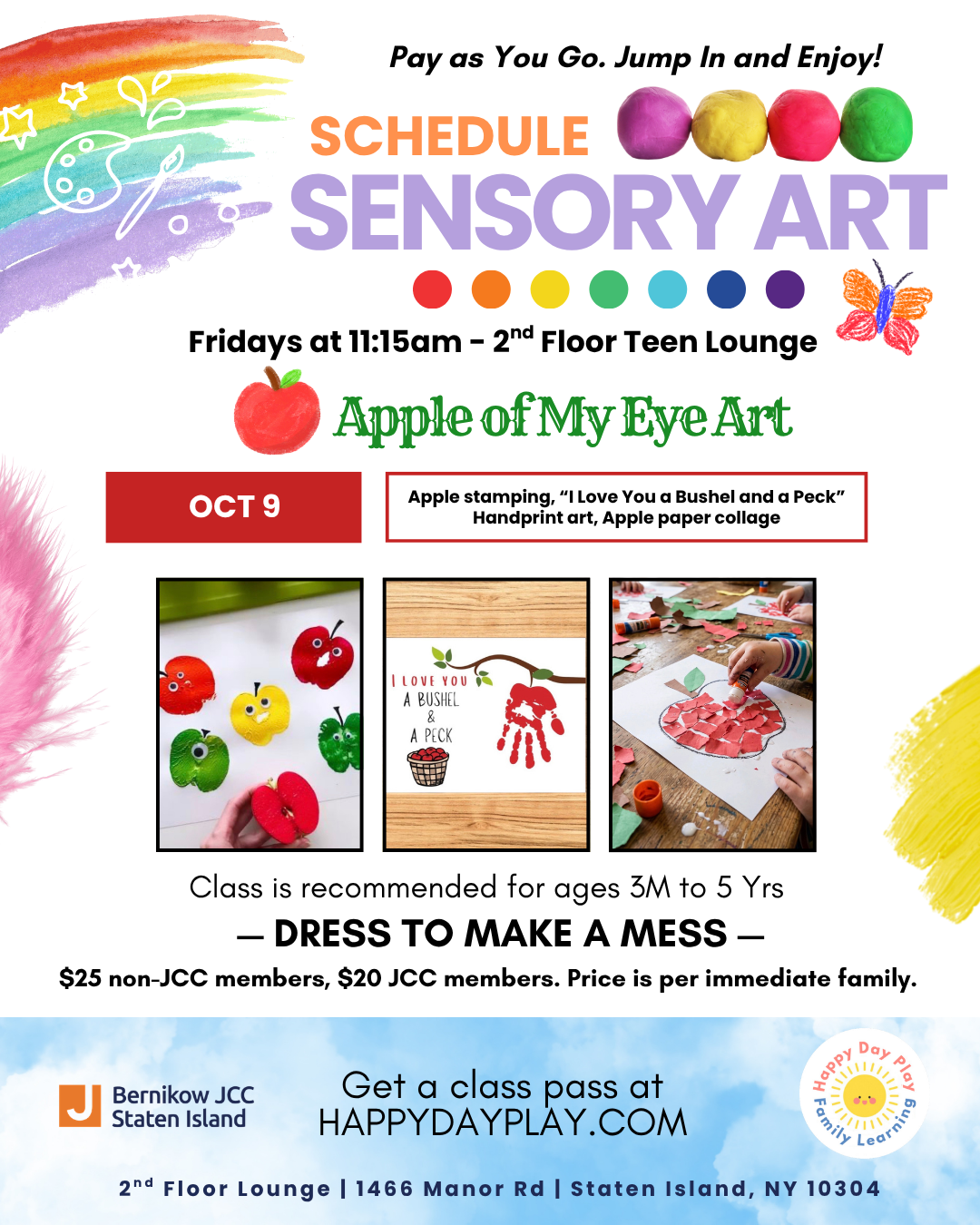
Apple stamping: Halve an apple, dip the cut side in paint and stamp. The little star of seeds in the middle is a tiny surprise every time.
Cinnamon scented dough: Stir a spoonful of cinnamon into a basic dough for a warm fall smell that makes the whole activity feel cozy.
Take the art outside this fall
Some of the best fall art starts with a walk. The American Academy of Pediatrics, on its parent site HealthyChildren.org, says playing outside is good for children no matter the weather, and suggests collecting natural treasures like leaves, acorns, pinecones and rocks. Turn a crisp Staten Island Saturday or a Bergen County park morning into a treasure hunt.
Bring the haul home and make something with it:
Nature collage: Press collected leaves and seed pods onto a strip of clear contact paper taped sticky-side-out.
Nature sculptures: Stick twigs, cones and leaves into a ball of dough to build a tiny forest.
Texture rubbings: Lay paper over a leaf or a slab of bark and rub the side of a crayon to lift the pattern.
The materials are free, and the walk to find them counts as much as the art that follows.
Make it count, and keep your expectations loose
Two things make fall art click. The first is you. The Harvard Center on the Developing Child describes serve and return, the back-and-forth where you notice what your child is doing and answer it. You don't have to run the activity. Sit close, follow their lead and put words to what they discover.
The second is letting go of the picture in your head. A toddler will smear the leaf print into a brown blob, and that's a win. Process art is about the doing, so the lumpy, over-stamped, gloriously unrecognizable result is the whole point.
A few safety notes for the youngest crowd: stay within arm's reach, and skip small loose items like seeds, acorns or beads for any child who still puts things in their mouth. If your child pulls back from cold, sticky or strong-smelling materials, follow their pace and offer a tool instead of bare hands. Plenty of cautious kids warm up over a season.
When you'd rather someone else bring the materials and handle the cleanup, our sensory art classes run all year and welcome every grown-up in your child's life, with walk-in classes at one price per family and no commitment. Come make a beautiful mess with us.
Key takeaways
- Fall is free material: Pumpkins, leaves, pinecones and apples give toddlers fresh textures and smells to explore as the season turns.
- It's real development: Fall sensory art builds fine motor skills, cause-and-effect thinking and new vocabulary, with no perfect craft required.
- Take it outside, then bring it home: A leaf-and-pinecone hunt becomes collages, nature sculptures and crayon rubbings.
- Your role and your patience matter most: Sit close and narrate, let the result be a glorious mess, and skip small loose items for any child who still mouths.
Sources & further reading 4
- American Academy of Pediatrics. Playing Outside: Why It's Important for Kids. HealthyChildren.org. healthychildren.org
- Bongiorno, L. (2014). The benefits of process-focused art experiences for preschoolers. Teaching Young Children, National Association for the Education of Young Children. naeyc.org
- Zero to Three. Learning Through Play: Birth to 12 Months. zerotothree.org
- Center on the Developing Child at Harvard University. Serve and Return. developingchild.harvard.edu
About this article
Every article on Happy Day Play is written by Kaitlynn Blyth herself, then checked against our published standards before it goes live. You can read exactly how we research, verify, and fact-check our work, and how we use and limit AI, in the policies below.
Last fact-checked June 22, 2026
Read More About Art and Sensory Play