Summer Sensory Art: Easy Water and Outdoor Ideas to Try
Summer is water, sand, ice and long days outside. Seasonal sensory art turns the heat into hands-on play, with easy ideas like ice painting, water-table fun and sand art that cool kids down while they learn.
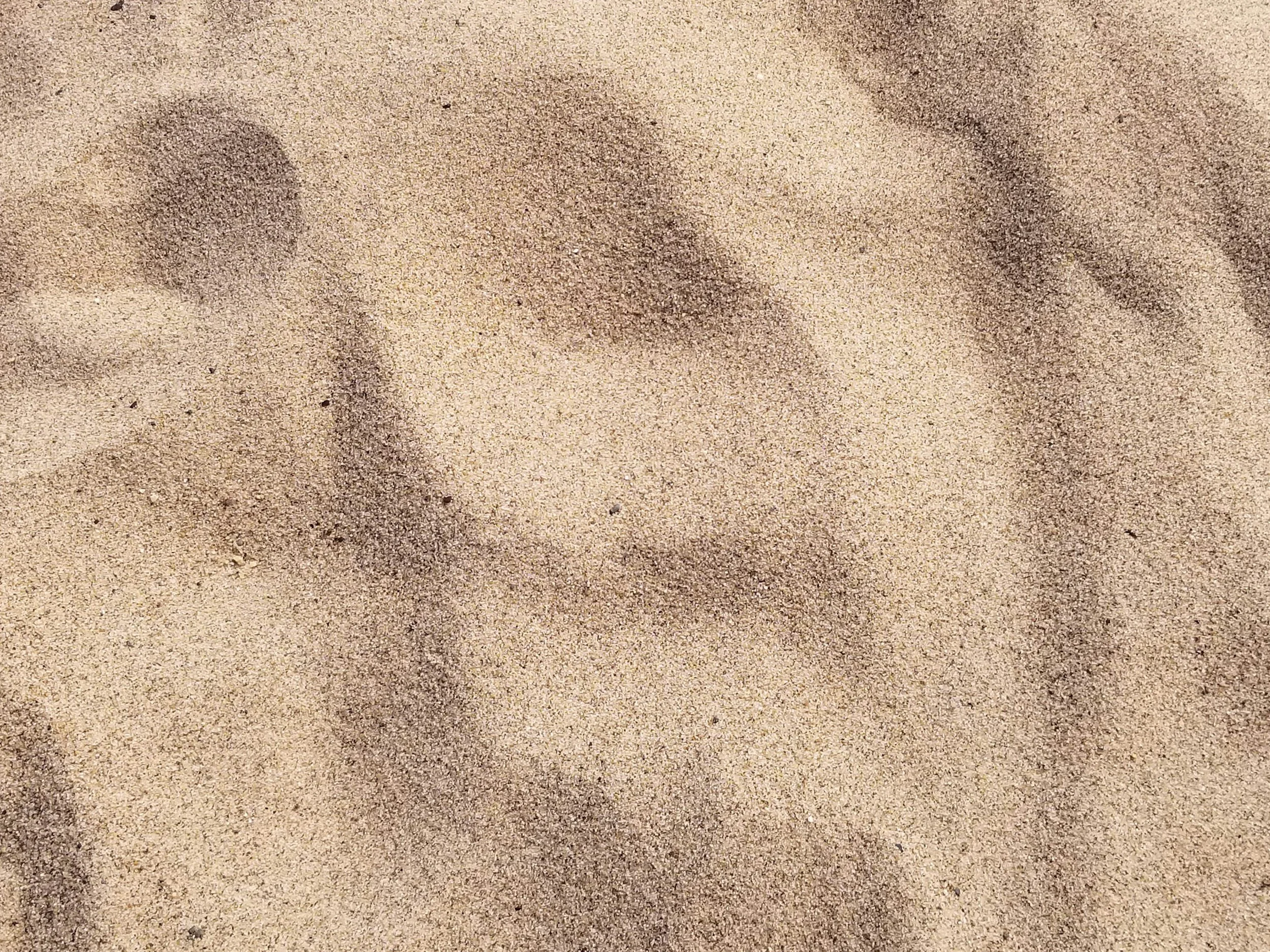
Whether it is sand, ice cubes or water, there is plenty of materials to use in the summer for seasonally appropriate sensory play.
School's out, the sun's up past bedtime, and your toddler has energy to burn. Summer sensory art gives all that energy a cool, creative outlet, and it builds real skills while it does.
Sensory art is open-ended play with texture, temperature and color, and sand and water are two of the richest materials going. The National Association for the Education of Young Children points out that sand and water play lets children take in information through their senses, helps some kids calm their bodies, and quietly teaches early math as they fill, pour and compare.
Young children learn by doing. Zero to Three notes that babies and toddlers take in the world largely by touching, looking and exploring. A bin of cool water, a tray of melting ice paint or a scoop of damp sand teaches texture, cause and effect and new words, all while taking the edge off a hot afternoon.
Summer sensory art ideas to try
Lean into water, ice and sand:
Ice painting: Freeze water with a drop of color in an ice cube tray, set a craft stick in each well for a handle, then let your child paint with the melting cubes on paper or pavement. Cool, slippery and endlessly fascinating.
Water-table painting: Fill a shallow bin with water and add cups, sponges and a paintbrush. Toddlers paint the fence, wash plastic animals or simply pour and splash.
Sand art: Dampen play sand so it holds a shape, then mold, stamp and draw in it. A little powdered drink mix adds color and scent.
Frozen sensory bin: Freeze small waterproof toys in a tub of ice, then hand over warm water in a cup and a brush and let your child melt them free. Cause and effect they can feel.
Bubble-wrap stomp prints: Tape a sheet of bubble wrap to the ground, brush on washable paint and let bare feet stomp a print onto paper. A cool-down and a full-body art project at once.
Chalk and water: Hand over sidewalk chalk and a cup of water with a brush. Wet chalk goes on bold and bright, and the whole thing rinses away.
Take it outside, and stay water-safe
Summer art belongs in the backyard or the park. The American Academy of Pediatrics, on HealthyChildren.org, reminds parents that any time a young child is in or around water, even a shallow bin, an adult should stay within arm's reach giving constant touch supervision, and empty containers right after play. A wading-pool art session in a backyard is wonderful with that one rule in place.
A few outdoor add-ons:
Nature paintbrushes: Bundle grass, herbs or leaves into a brush and paint with water or washable color.
Mud kitchen: Dirt, water and a few old pots make a sensory station that lasts an hour.
Frozen color blocks: Freeze big blocks of colored ice in containers and let kids stack, melt and mix them in the sun.
Make it count, and keep your expectations loose
Two things make summer art click. The first is you. The Harvard Center on the Developing Child describes serve and return, the back-and-forth where you notice what your child is doing and answer it. Sit close, narrate the melt and the splash, and follow their lead. Try "The ice is getting smaller. Where did it go?"
The second is letting the result be whatever it is. A toddler will turn the ice painting into a puddle of brown, and that's a win. Process art is about the doing, so the soggy, swirled, unrecognizable page is exactly the point.
A few summer safety notes: keep that arm's-reach rule near any water, dump bins when you're done, offer shade and water breaks, and skip small loose items for any child who still mouths. If your child pulls back from cold or gritty textures, offer a tool instead of bare hands and let them set the pace.
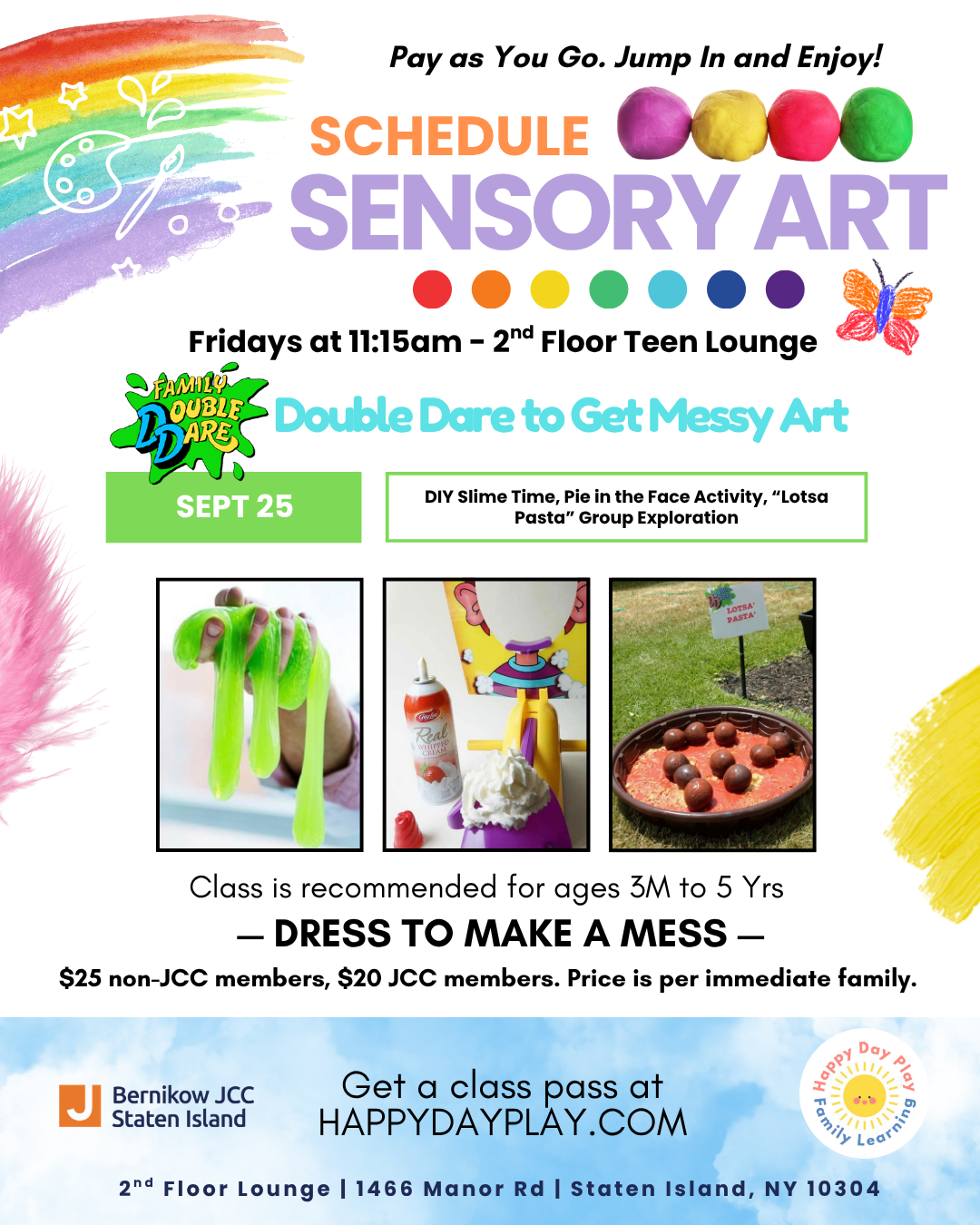
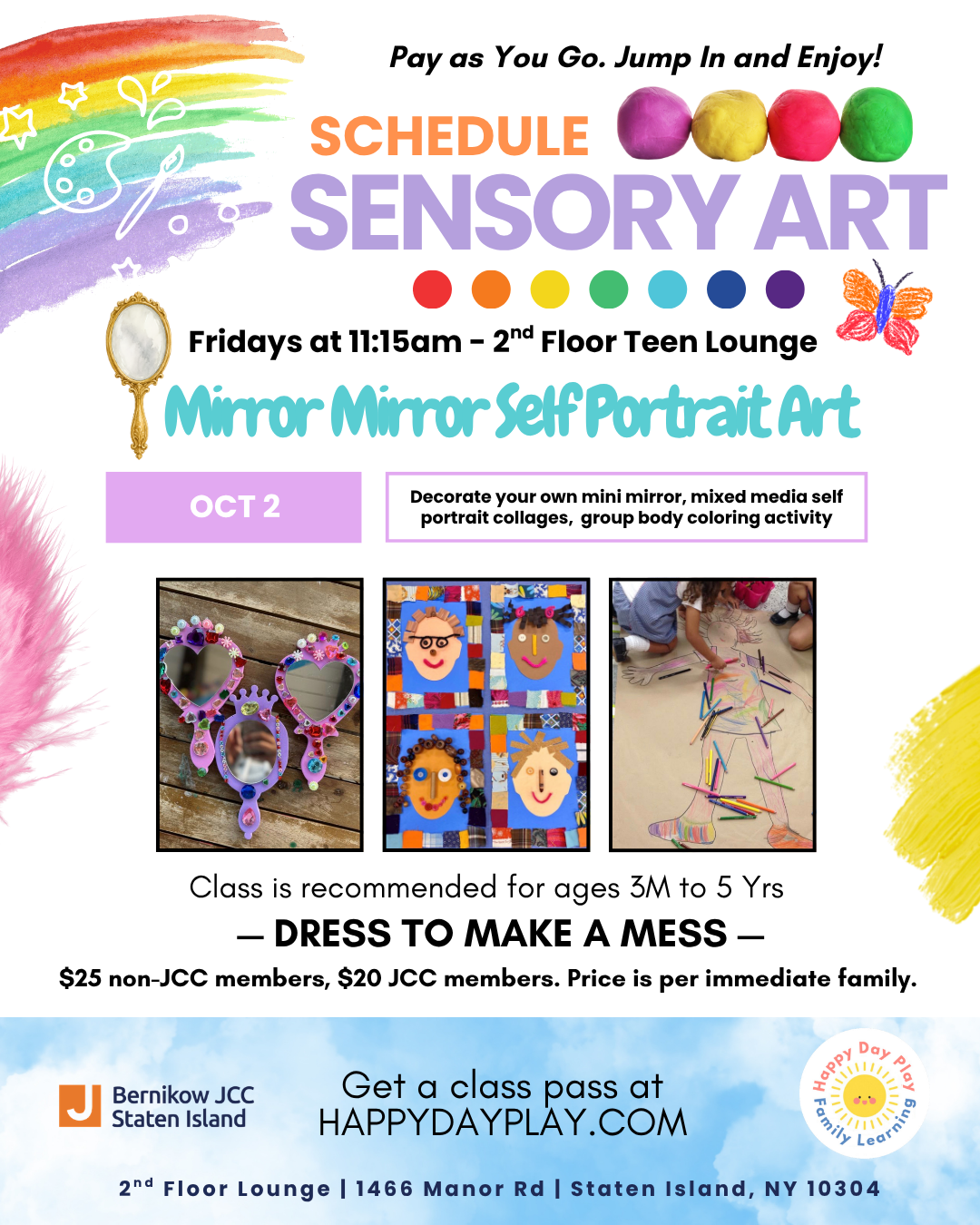
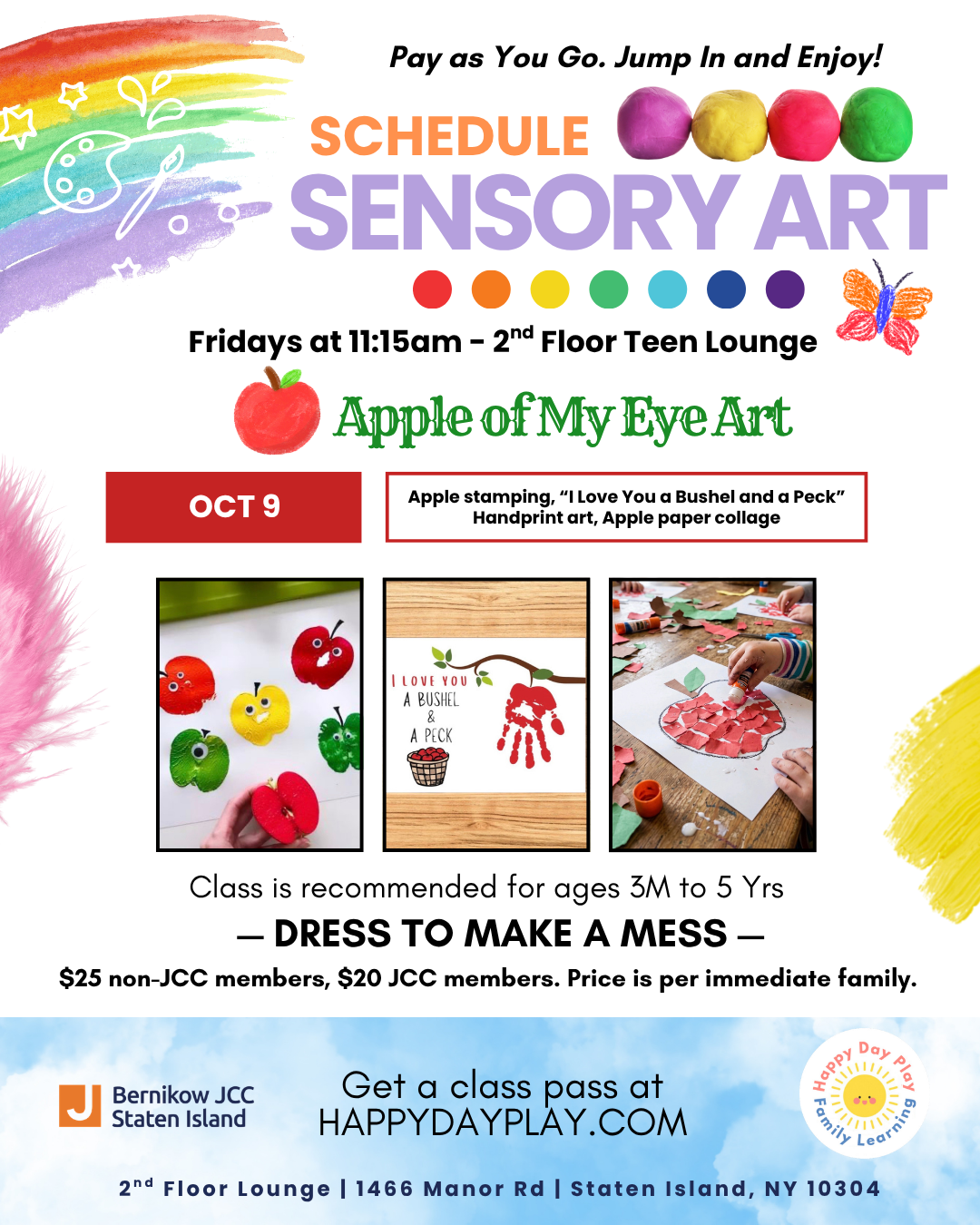
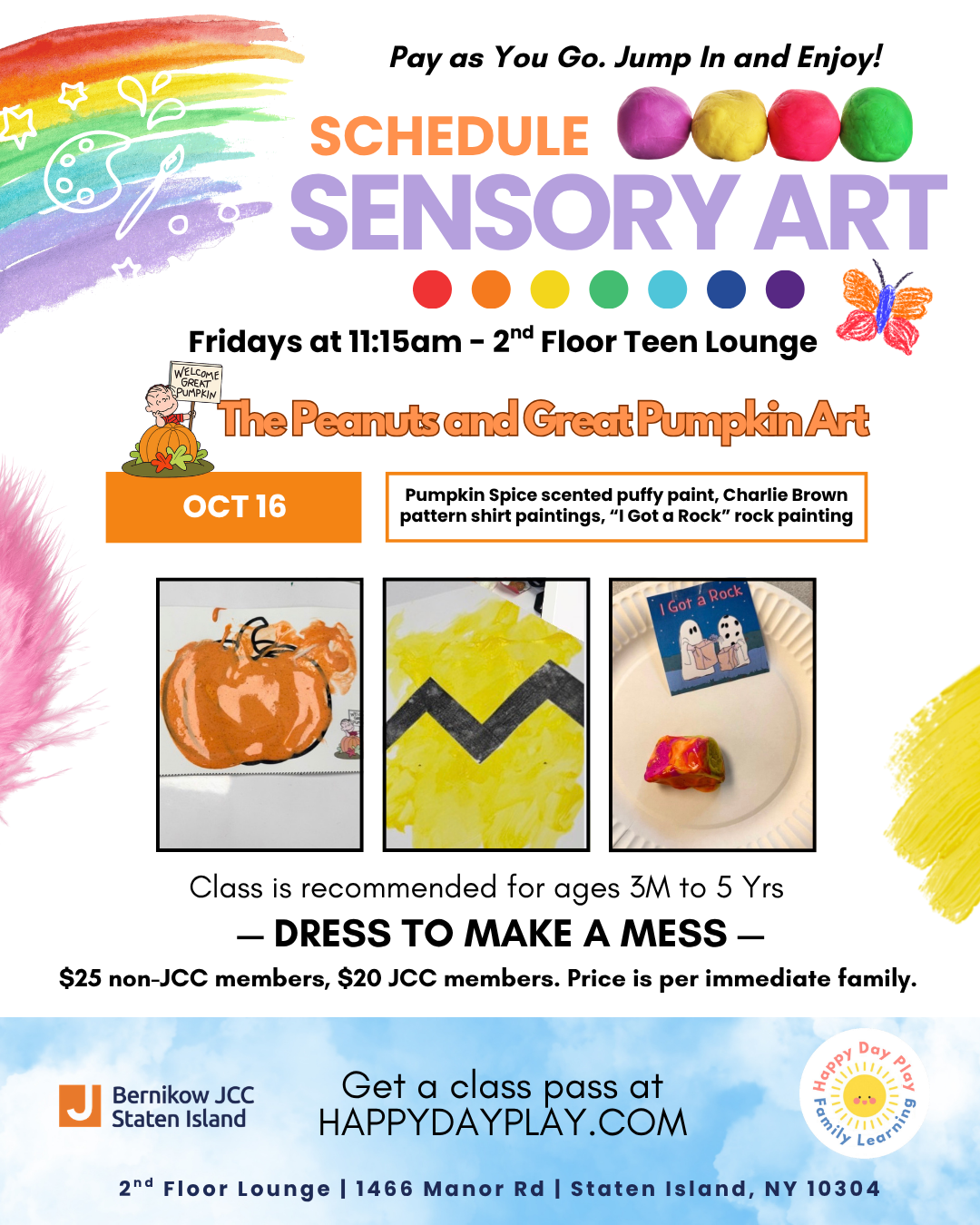
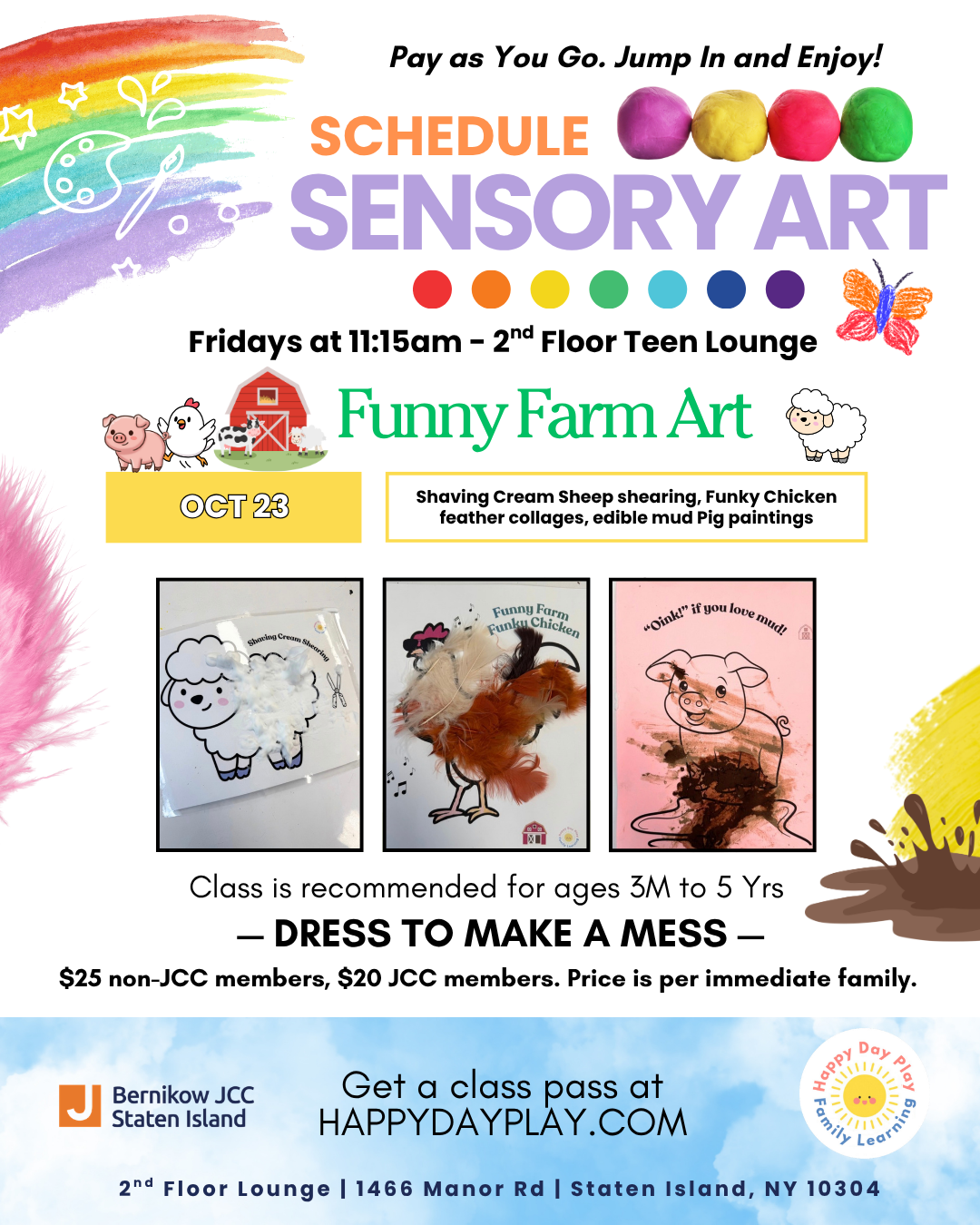
When you'd rather someone else bring the materials and handle the cleanup, our sensory art classes run all year and welcome every grown-up in your child's life, with walk-in classes at one price per family and no commitment. Come make a beautiful mess with us.
Key takeaways
- Summer cools and teaches: Water, ice and sand give toddlers sensory play that beats the heat while building real skills.
- It's real development: Sand and water play supports the senses, fine motor skills, early math and calmer bodies, with no perfect craft required.
- Stay within arm's reach near water: Even a shallow bin needs constant touch supervision, and empty containers as soon as play ends.
- Your role and your patience matter most: Sit close and narrate, let the result be a glorious mess, offer shade and water breaks, and skip small loose items for any child who still mouths.
Sources & further reading 4
- National Association for the Education of Young Children. The Importance of Sand and Water Play. naeyc.org
- Zero to Three. Learning Through Play: Birth to 12 Months. zerotothree.org
- American Academy of Pediatrics. Water Safety and Young Children. HealthyChildren.org. healthychildren.org
- Center on the Developing Child at Harvard University. Serve and Return. developingchild.harvard.edu
About this article
Every article on Happy Day Play is written by Kaitlynn Blyth herself, then checked against our published standards before it goes live. You can read exactly how we research, verify, and fact-check our work, and how we use and limit AI, in the policies below.
Last fact-checked June 22, 2026
Read More About Art and Sensory Play