Spring Sensory Art: Easy Ideas to Try at Home
Spring is mud, petals, puddles and new green everything. Seasonal sensory art turns all of it into hands-on play, with easy ideas like flower printing, mud painting and seed planting that help your toddler and child explore and grow.
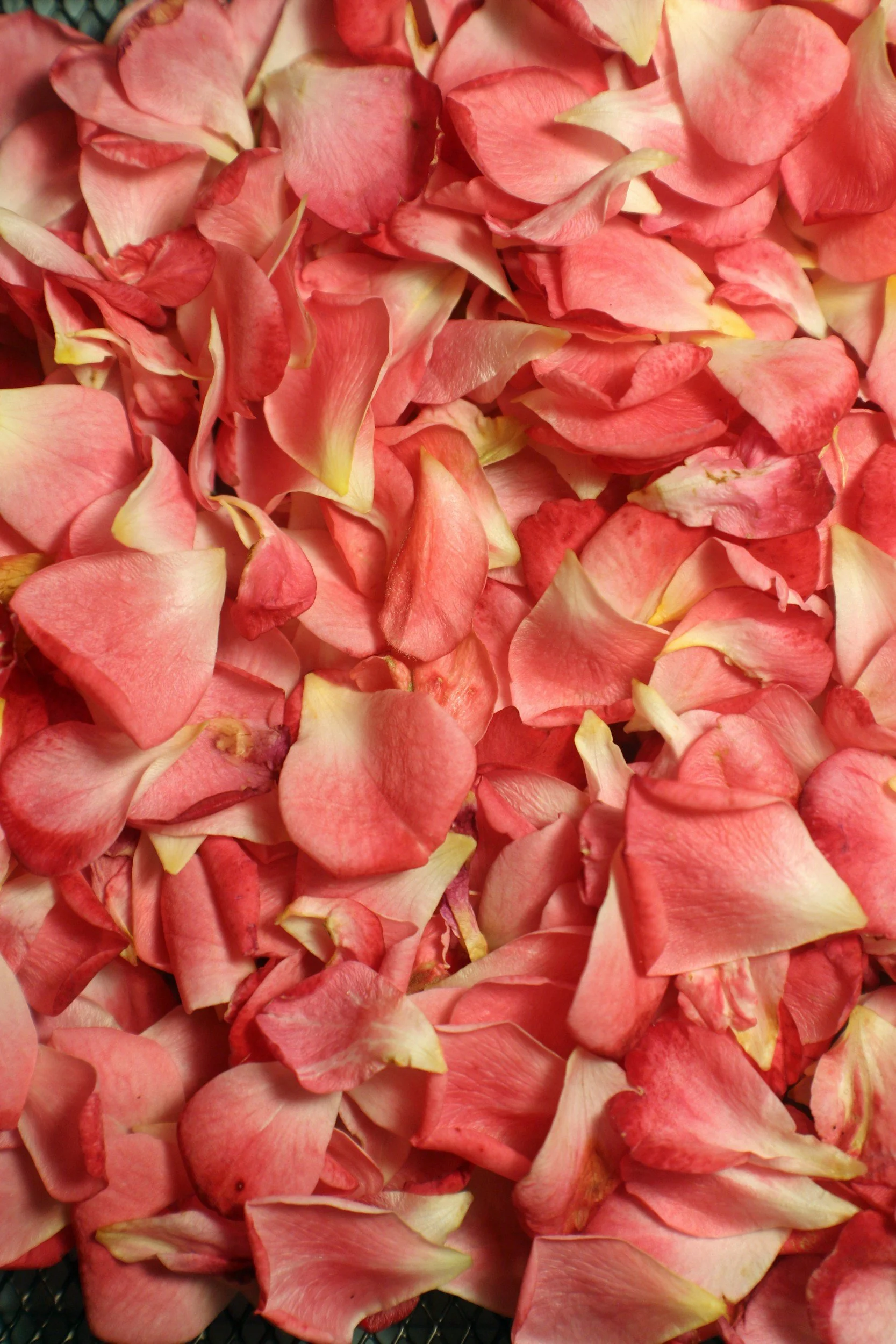
Yes, your child can experience sensory play without a messy set up.
The first warm day hits and your toddler wants to touch everything, the wet grass, the worm on the sidewalk, the petals scattered on the ground. Spring sensory art channels that pull into play, and it does real developmental work in the process.
Sensory art is open-ended play with texture, color and smell. The National Association for the Education of Young Children calls the open-ended version process art, where there's no sample to copy and no single right way to create. A handful of petals or a tray of mud comes with no instructions, which is exactly what makes it such rich material.
Young children take in the world through their senses. Zero to Three notes that babies and toddlers learn largely by touching, looking and exploring. Squishing cool mud, pressing a flower into paint and splashing a puddle all teach texture, cause and effect and fresh vocabulary at once. Spring restocks the supply shelf for free, so the play stays new.
Spring sensory art ideas to try
Spring hands you a fresh palette. These use what's blooming or sprouting right outside:
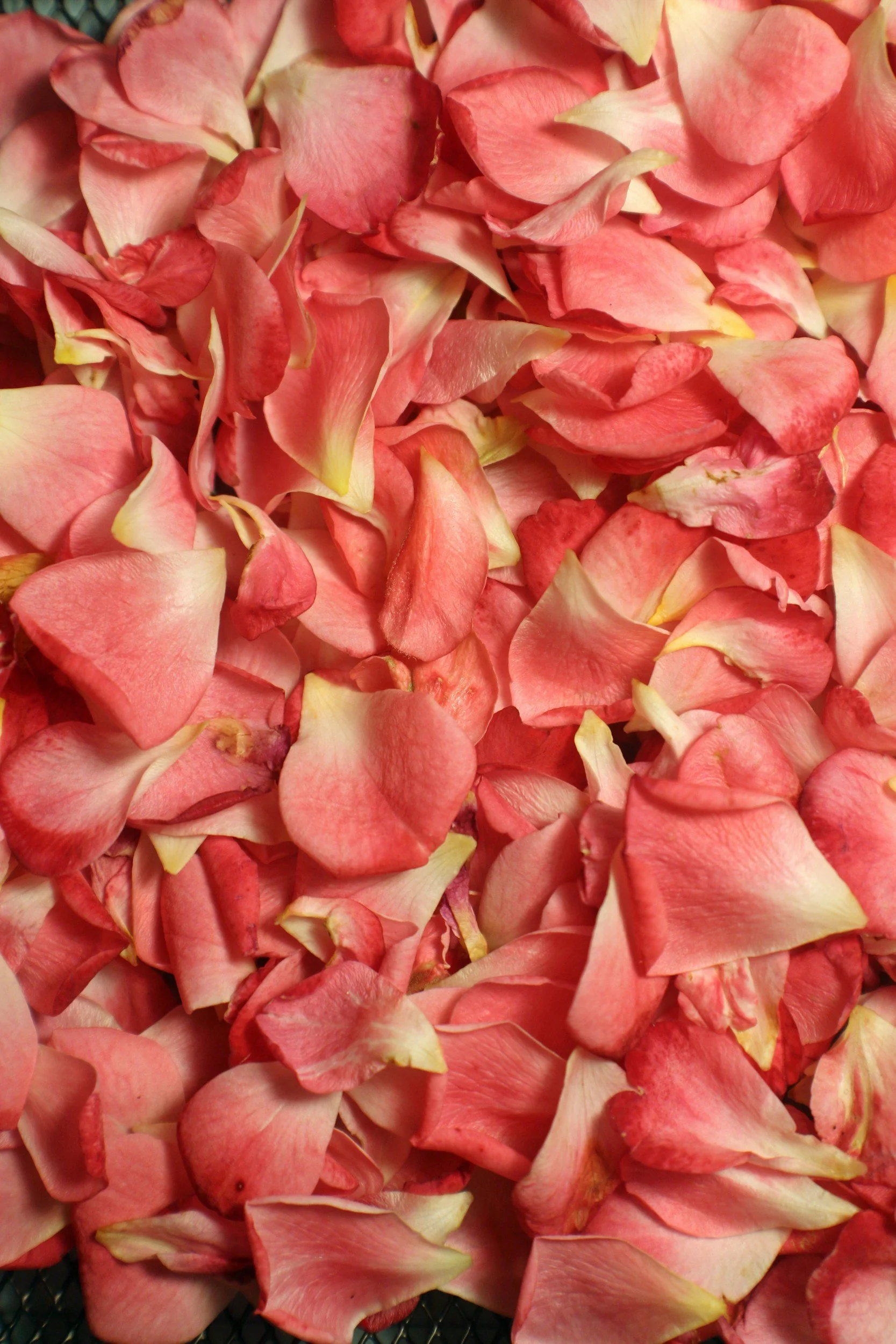
Flower and petal printing: Press the flat face of a flower or a sturdy petal into washable paint, then onto paper. Each bloom leaves its own shape, so no two prints match.
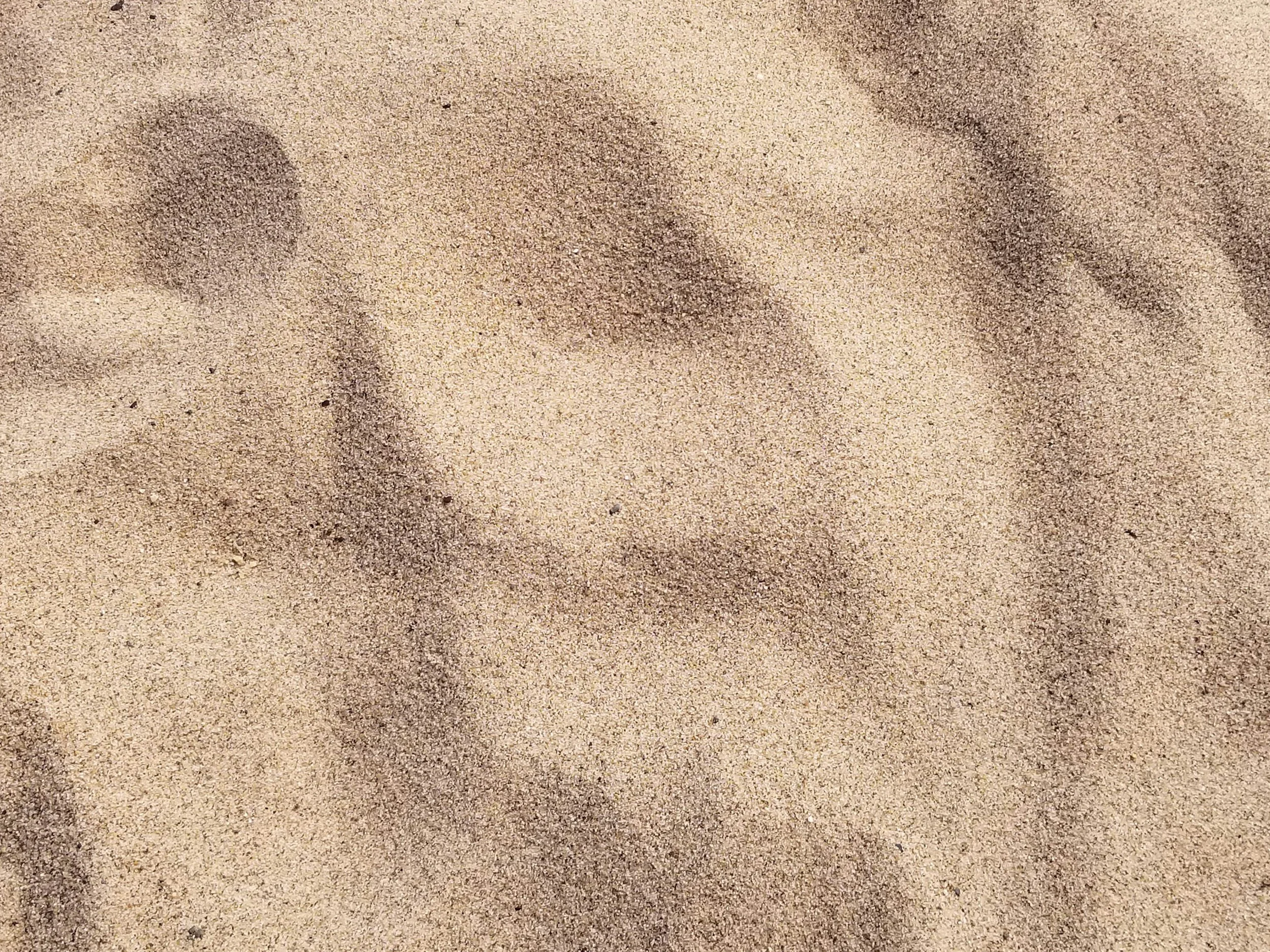
Mud painting: Mix garden soil with a little water into a paint-like slip and let your toddler brush or finger-paint it onto cardboard. Gloriously messy, and it rinses right off.
Seed-starting sensory bin: Fill a tub with potting soil, scoops and big seeds like beans or sunflower, and let your child dig, bury and pour. Plant a few in a cup afterward to watch them grow.
Puddle and water play: After a rain, hand over a paintbrush and let your toddler paint the wet pavement, or drop washable color into a puddle and stir.
Grass and nature brushes: Bundle long blades of grass, herbs or leaves with a rubber band for a homemade brush that paints in surprising textures.
Floral scented dough: Knead a drop of lavender into a fresh batch of dough for a soft spring smell while little hands squeeze and roll.
Take the art outside this spring
Spring is the season to move the art outdoors. The American Academy of Pediatrics, on its parent site HealthyChildren.org, says playing outside is good for children no matter the weather, and suggests collecting natural treasures like leaves, petals, pinecones and rocks. A slow walk around a Staten Island block or a Bergen County park becomes a hunt for art supplies.
Bring the finds home and make something:
Petal and leaf collage: Press spring blooms and new leaves onto clear contact paper taped sticky-side-out.
Nature stamps: Use a pinecone, a leaf or a halved flower head dipped in paint as a stamp.
Sun prints: Lay leaves and petals on dark paper in a sunny window, leave them a few hours, then lift them to find their shadows.
The hunt is half the fun, and every supply is free.
Make it count, and keep your expectations loose
Two things make spring art click. The first is you. The Harvard Center on the Developing Child describes serve and return, the back-and-forth where you notice what your child is doing and answer it. Sit close, follow their lead and put words to it. Try "You found a yellow one. How does it feel?"
The second is loosening your grip on the result. A toddler will mash the flower print into a smear, and that's a win. Process art is about the doing, so the muddy, over-stamped, hard-to-name creation is the whole point.
A couple of safety notes: stay within arm's reach, wash hands after mud and garden soil, and skip small seeds or loose bits for any child who still puts things in their mouth. If your child pulls back from cold or sticky textures, offer a tool instead of bare hands and follow their pace.
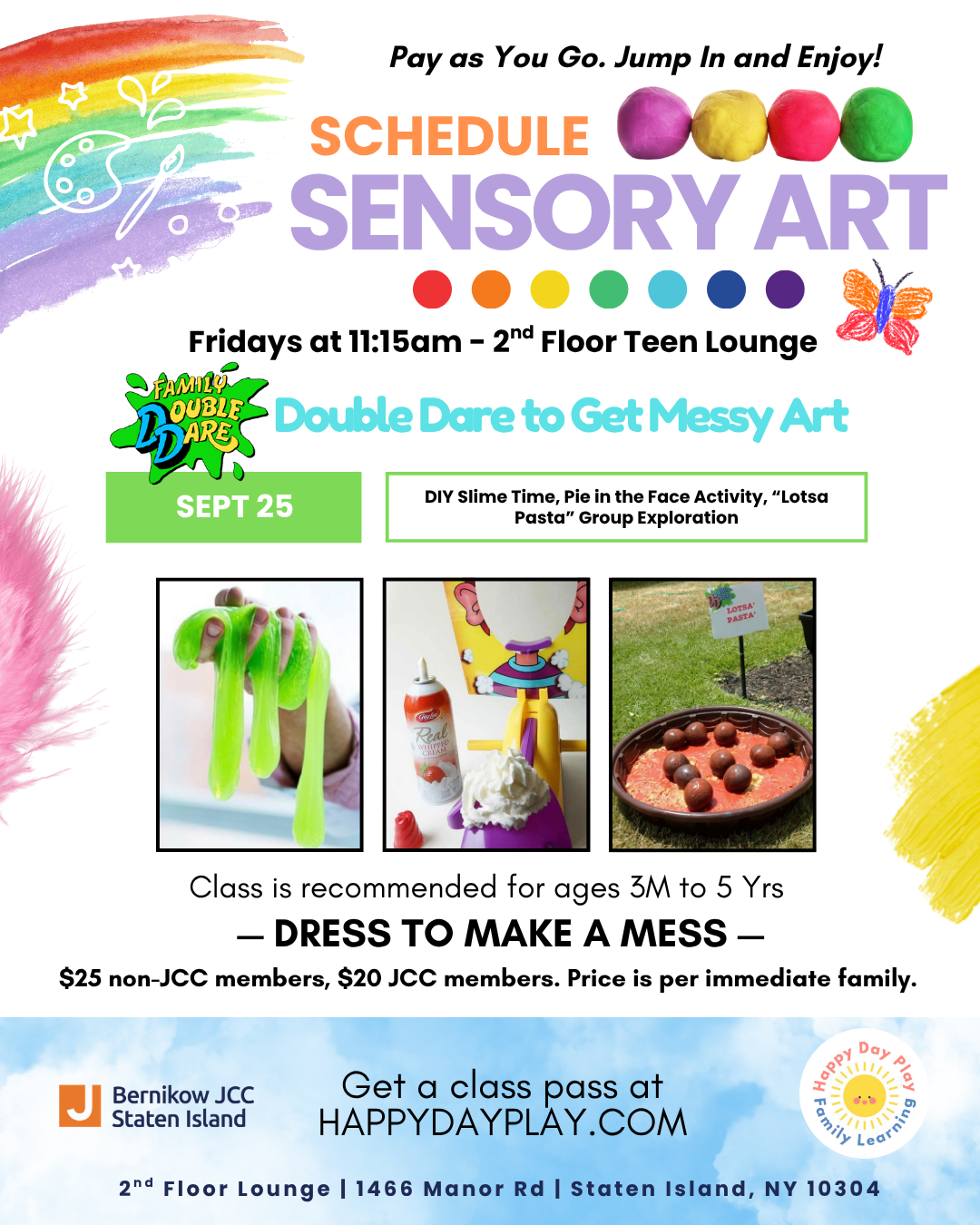
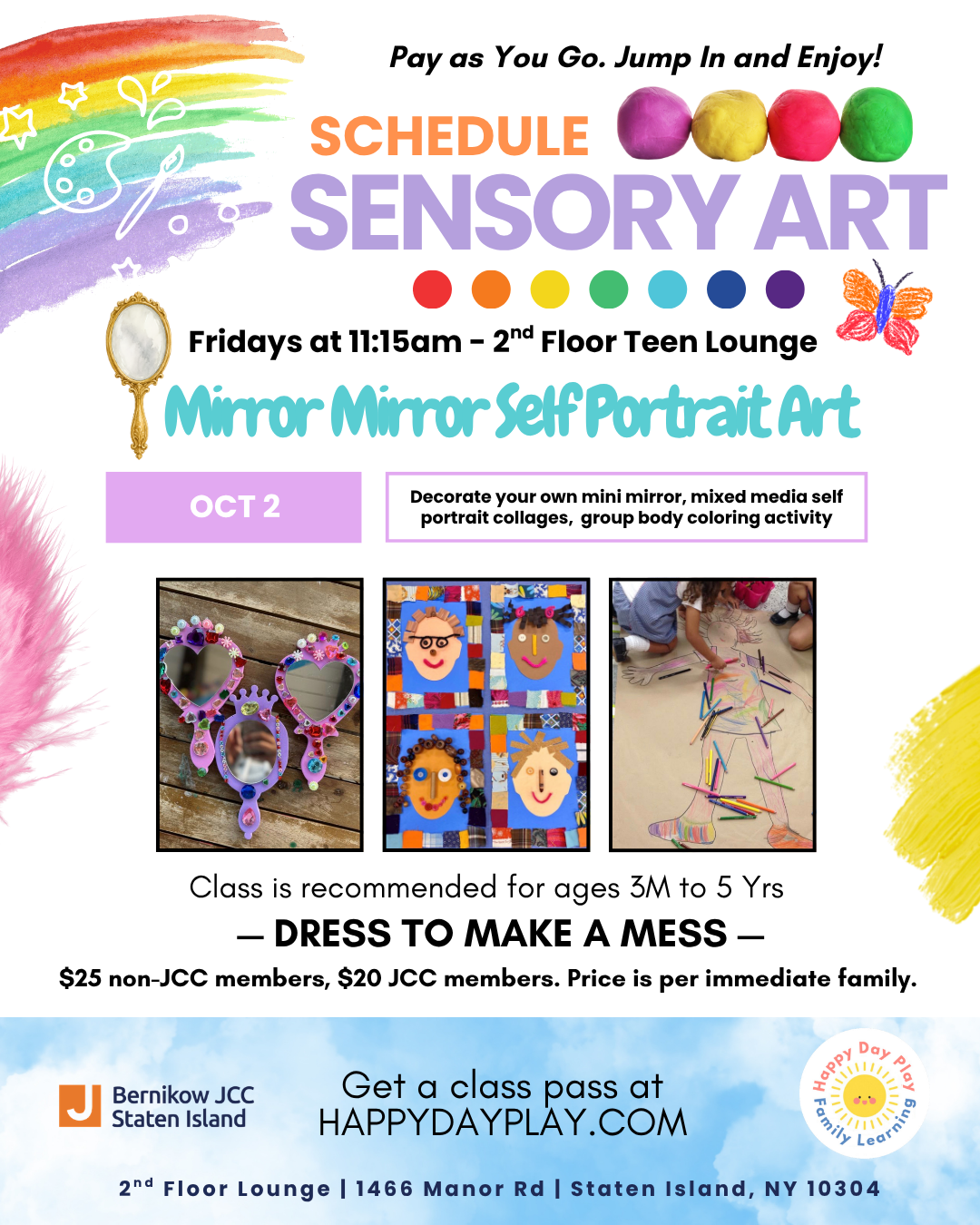
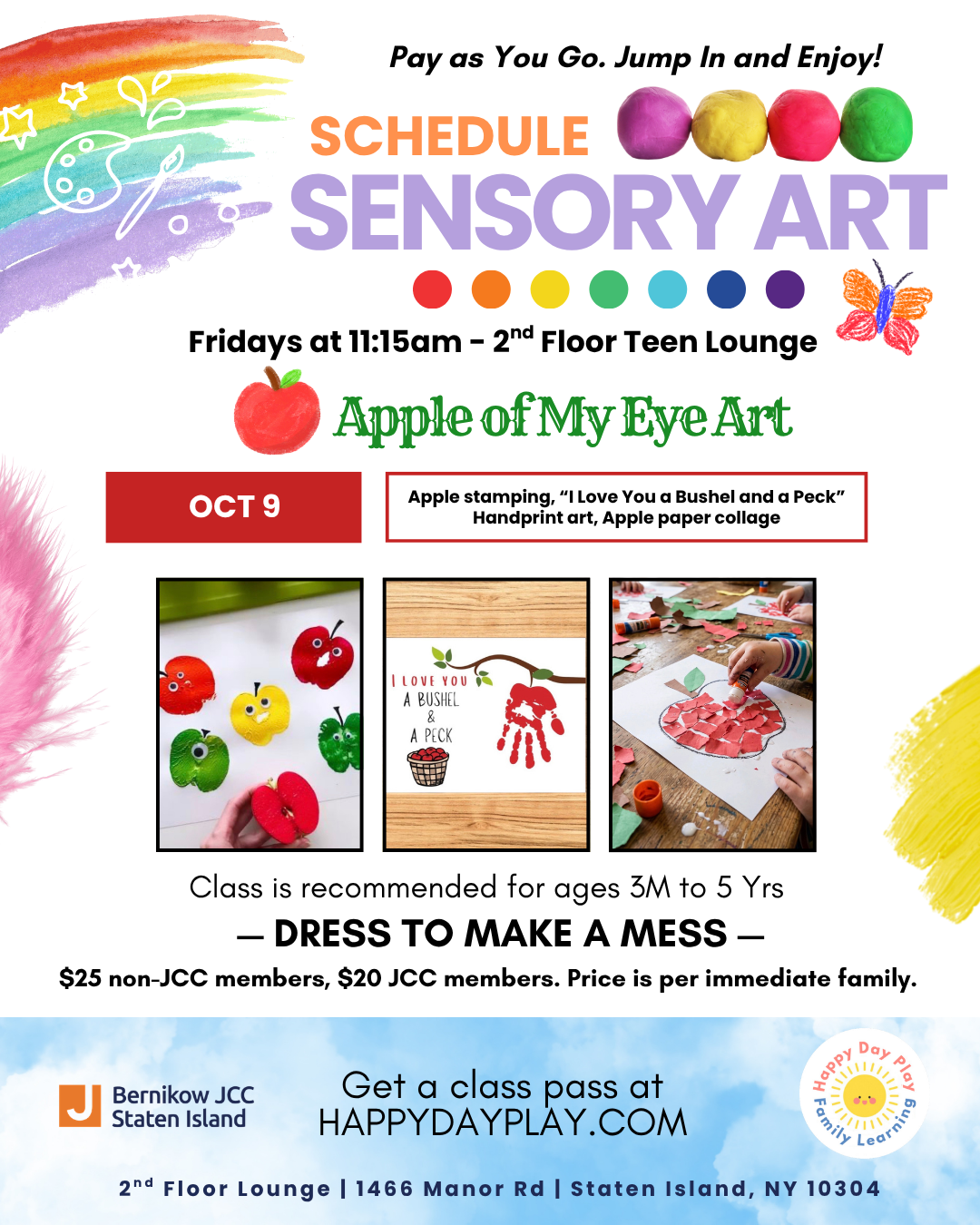
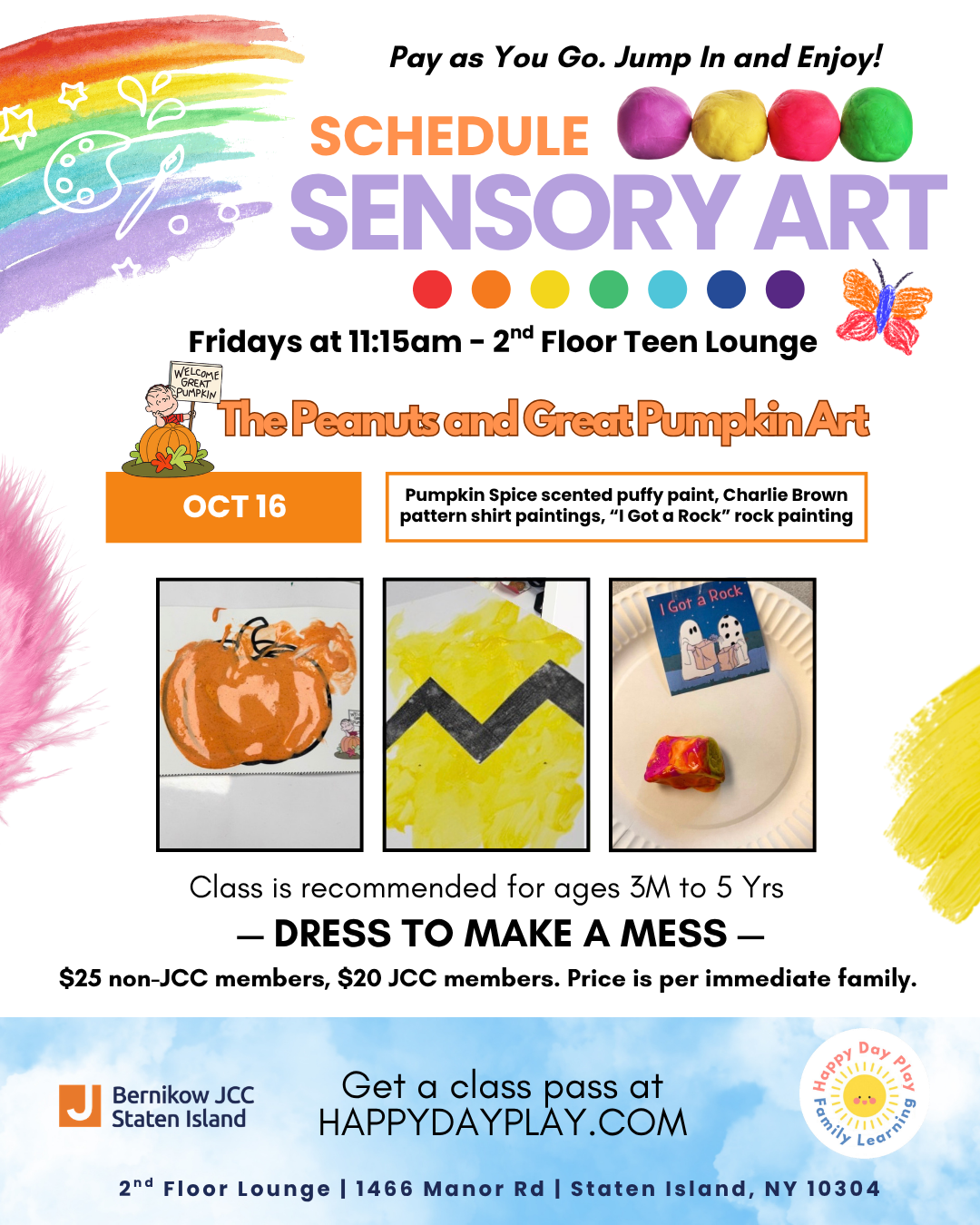
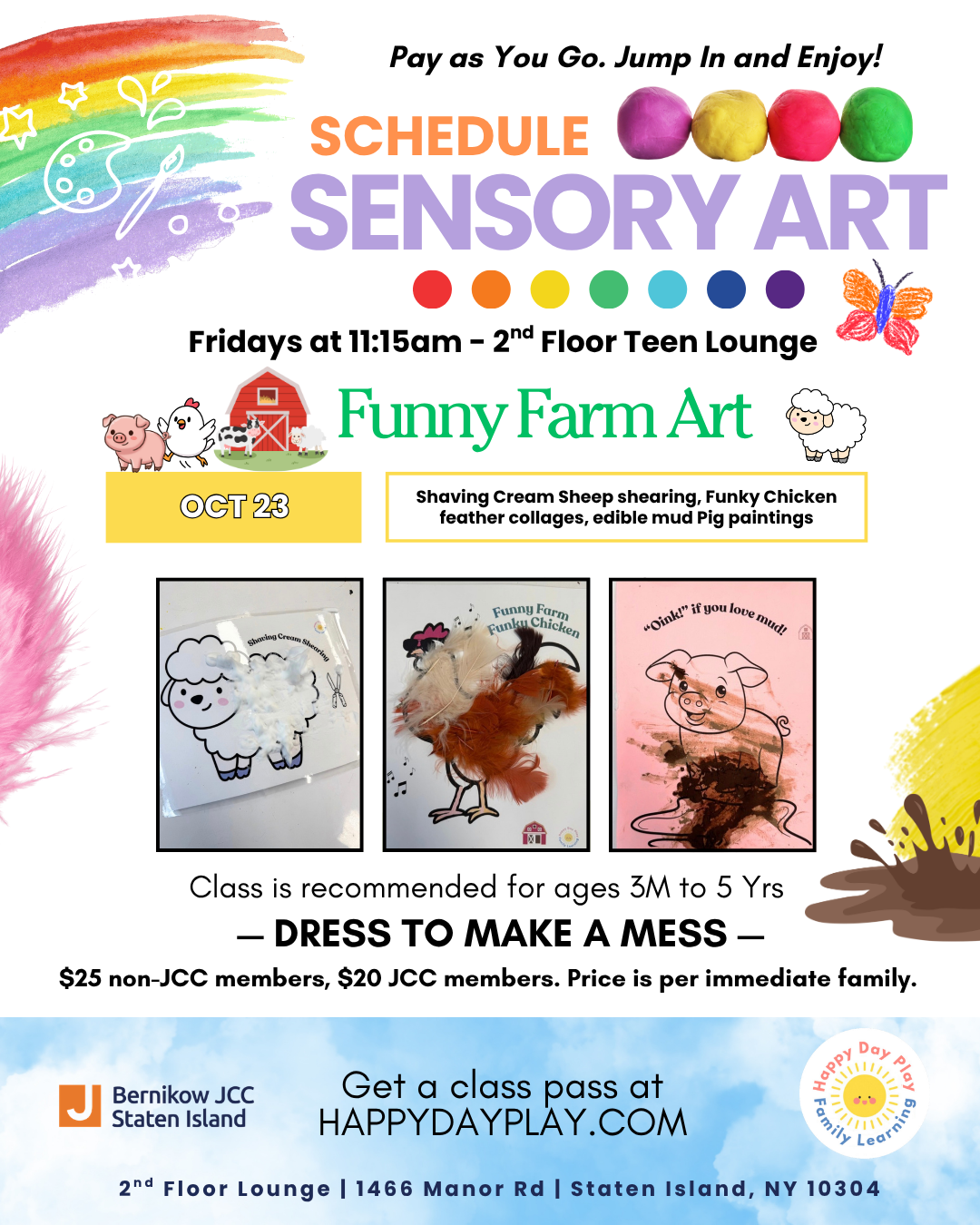
When you'd rather someone else bring the materials and handle the cleanup, our sensory art classes run all year and welcome every grown-up in your child's life, with walk-in classes at one price per family and no commitment. Come make a beautiful mess with us.
Key takeaways
- Spring is free material: Petals, mud, puddles and seeds give toddlers fresh textures to explore as the season changes.
- It's real development: Spring sensory art builds fine motor skills, cause-and-effect thinking and new vocabulary, with no perfect craft required.
- Take it outside, then bring it home: A flower-and-leaf hunt turns into collages, nature stamps and sun prints.
- Your role and your patience matter most: Sit close and narrate, let the result be a glorious mess, wash up after soil, and skip small seeds for any child who still mouths.
Sources & further reading 4
- National Association for the Education of Young Children. Rocking and Rolling: Using Materials Creatively to Enhance Toddler Learning Environments. Young Children. naeyc.org
- Zero to Three. Learning Through Play: Birth to 12 Months. zerotothree.org
- Yogman, M., Garner, A., Hutchinson, J., Hirsh-Pasek, K., & Golinkoff, R. M. (2018, reaffirmed 2025). The Power of Play: A Pediatric Role in Enhancing Development in Young Children. Pediatrics, American Academy of Pediatrics. publications.aap.org
- Center on the Developing Child at Harvard University. Serve and Return. developingchild.harvard.edu
About this article
Every article on Happy Day Play is written by Kaitlynn Blyth herself, then checked against our published standards before it goes live. You can read exactly how we research, verify, and fact-check our work, and how we use and limit AI, in the policies below.
Last fact-checked June 22, 2026
Read More About Art and Sensory Play