Mess-Free Sensory Play for Babies and Toddlers: Easy Setups at Home
You want the developmental wins of sensory play without paint on the ceiling. Mess-free setups like sensory bags and sensory bottles give babies and toddlers all the squish, color and discovery, with almost nothing to clean up.
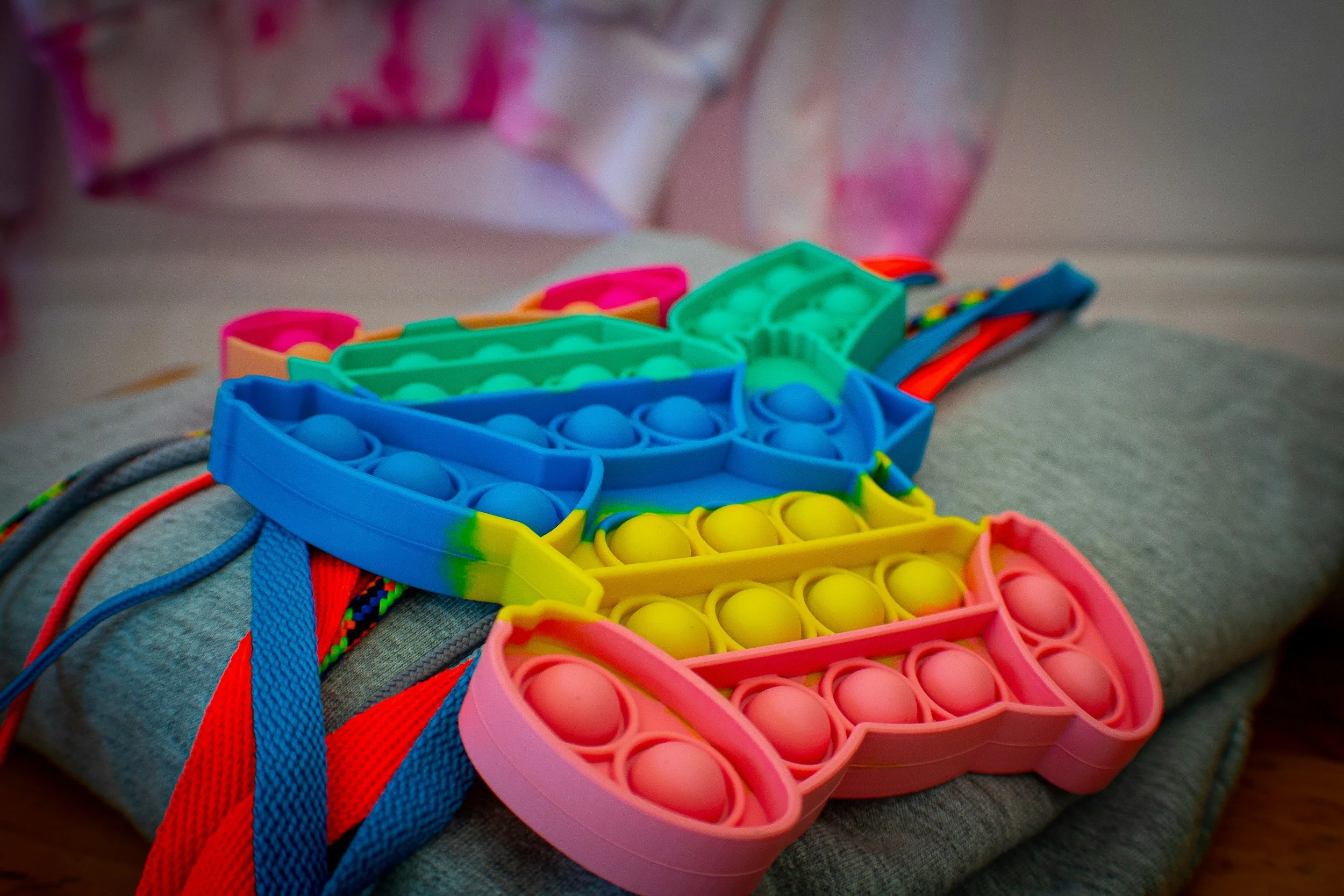
Yes, your child can experience sensory play without a messy set up.
You want the good parts of sensory play. You do not want paint pressed into the rug. Mess-free sensory play gives you the first without the second, and the development is the real thing.
Sensory play is how babies and toddlers take in the world. Zero to Three notes that babies learn largely through their senses, using their eyes, hands and mouths as their tools. A sealed bag of paint still delivers cold, squish, color and cause-and-effect, even when none of it touches the floor.
There's a safety bonus too. NAEYC points out that mouthing is expected at this age, so contained, sealed setups keep small or loose pieces out of a baby's mouth while they explore. For the under-1 crowd especially, mess-free and choke-safe tend to go hand in hand.
The benefits stack up, too. The American Academy of Pediatrics' clinical report The Power of Play, reaffirmed in 2025, describes how play builds the brain and strengthens self-regulation, the skill behind focus and calming down. Quiet, contained sensory play is one of the easiest ways to give a young child that input.
When mess-free is the right call
Every family has days when a paint-everywhere project is the last thing anyone needs. Mess-free shines in these moments:
Small spaces and rentals: When there's no easy-clean floor and no backyard hose, contained play saves the security deposit.
Rainy or sick days indoors: A quiet sensory bag fills a long afternoon stuck inside.
On the go: A sealed sensory bag slips into a diaper bag for a restaurant table or a waiting room.
An overstimulated or cautious child: A contained setup lowers the sensory load, which often feels calmer for a child who pulls back from a big messy tray.
Right before a nap or a car ride: Focused, soothing and free of the cleanup spiral that wakes everyone back up.
Mess-free sensory setups to try
You can build all of these tonight from things you already own:
Sensory bag: Squeeze non-toxic hair gel or paint into a zip-top freezer bag, add a few drops of color, press out the air and seal it. Run packing tape around every edge, then tape the bag flat to the floor, a window or a high-chair tray. Your baby presses, smears and traces the color with zero cleanup.
Sensory bottle: Fill a clear, lidded bottle with water, a little glitter or a few beads, and a drop of color or some oil, then glue the lid shut. Babies track the slow swirl, and toddlers love to shake and watch it settle. Ensure the bottle cannot be opened.
Contact-paper art: Tape a sheet of clear contact paper sticky-side-out at your toddler's height, then offer pompoms, torn tissue paper or fall leaves to press on. All the sticking fun, and it peels right off.
Lidded dry bin: For children past the mouthing stage, fill a bin with dry oats, pompoms or large pasta and add cups and scoops. Snap the lid on when playtime ends.
Water "painting": Hand your toddler a cup of water and a paintbrush and let them paint the sidewalk, the fence or a chalkboard. It dries clean every time.
Make it count, and keep it safe
A mess-free setup works even better with you beside it. The Harvard Center on the Developing Child describes serve and return, the back-and-forth where you notice what your child is doing and answer it, which helps build the brain's architecture. Narrate the swirl. Try "Look how the glitter falls" or "You pushed the blue all the way over." Those small exchanges turn a quiet activity into a learning moment.
A few habits keep contained play contained:
Seal it like you mean it: Double-bag sensory bags and run packing tape around every edge. Tape the bag flat so little teeth can't get a grip on a corner.
Stay close: A seal can still fail, so keep an eye on babies and toddlers the whole time.
Test small pieces: If a loose item fits through a cardboard paper-towel tube, it's a choking risk and stays out for now.
Bring it to class, or try it tonight
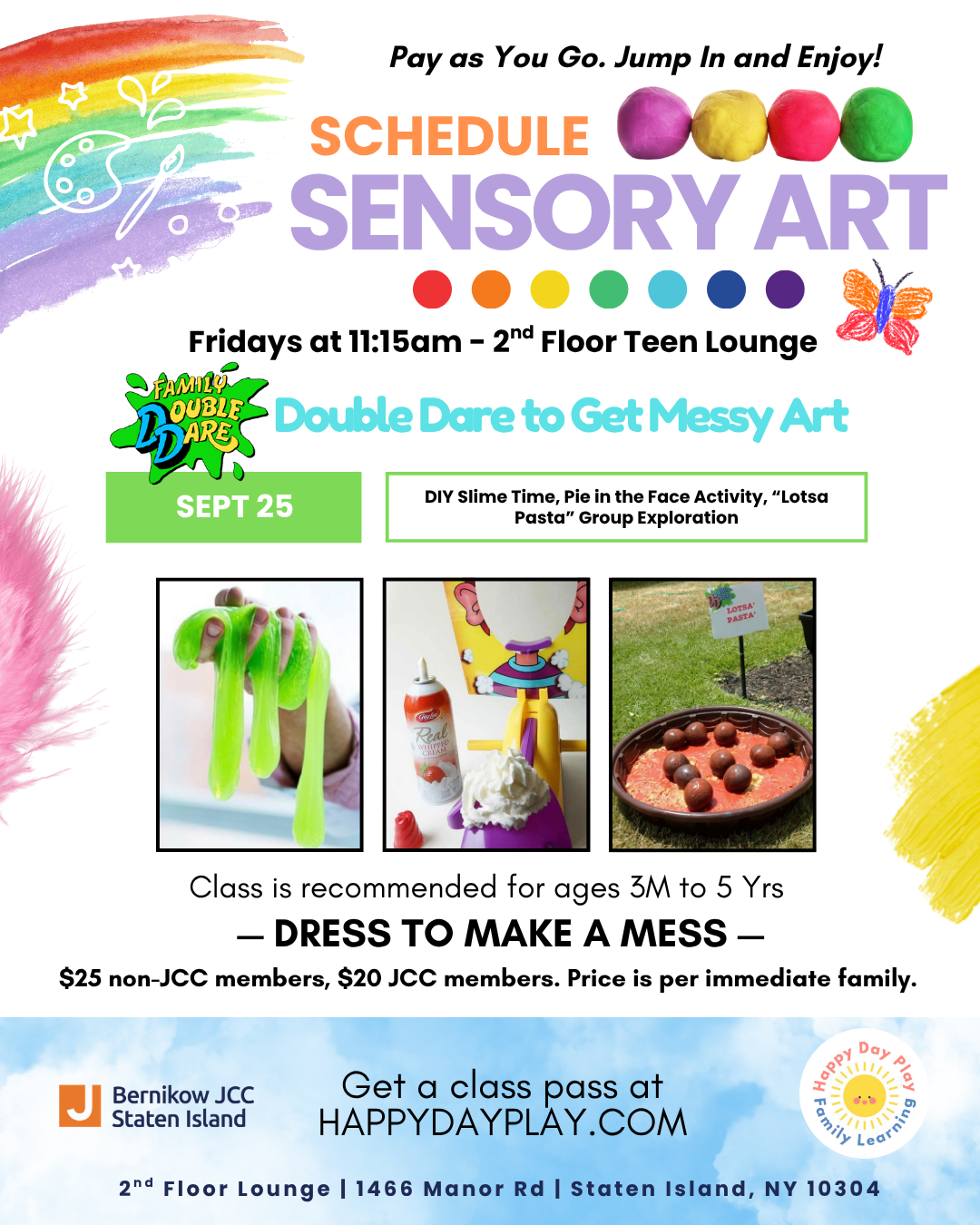
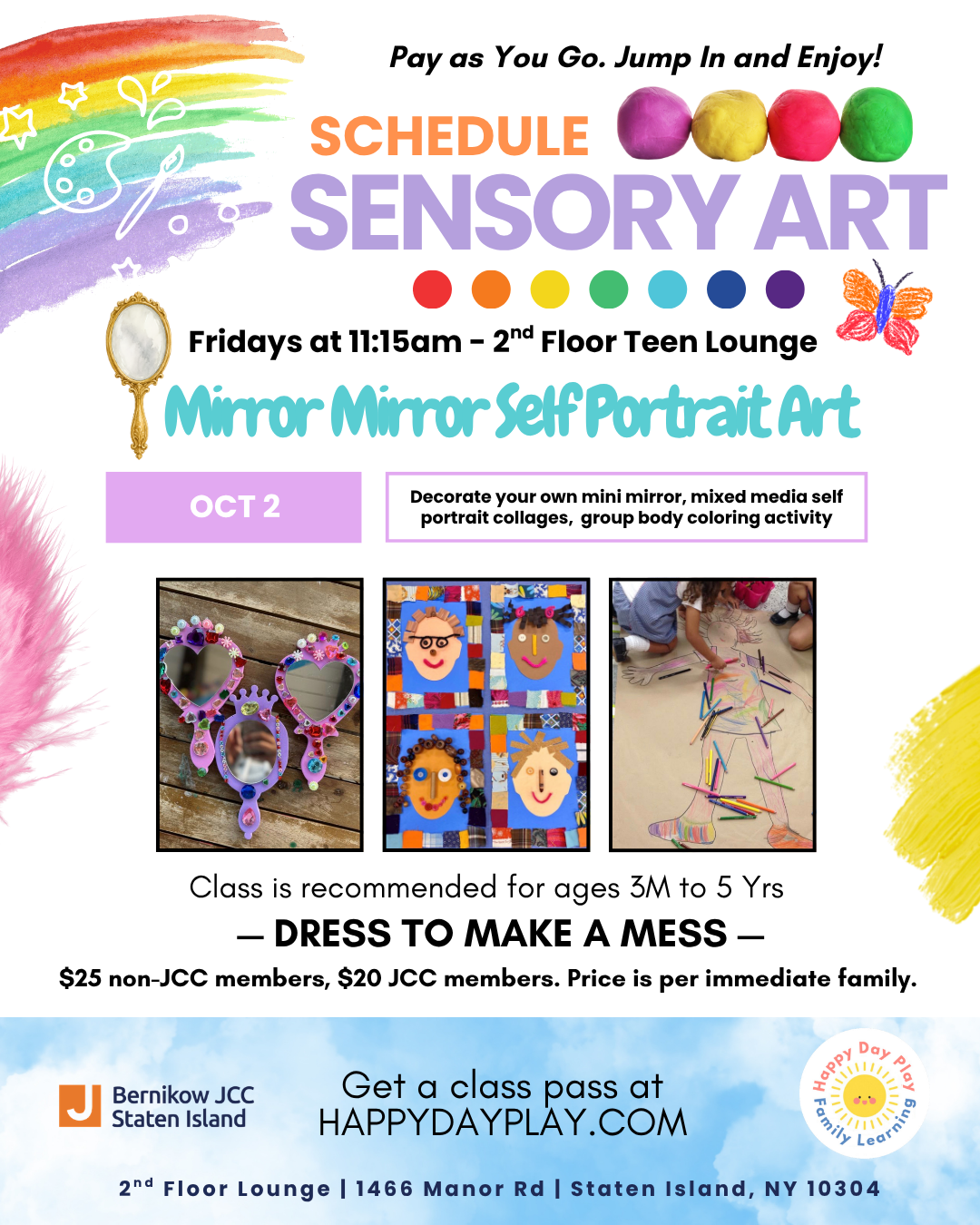
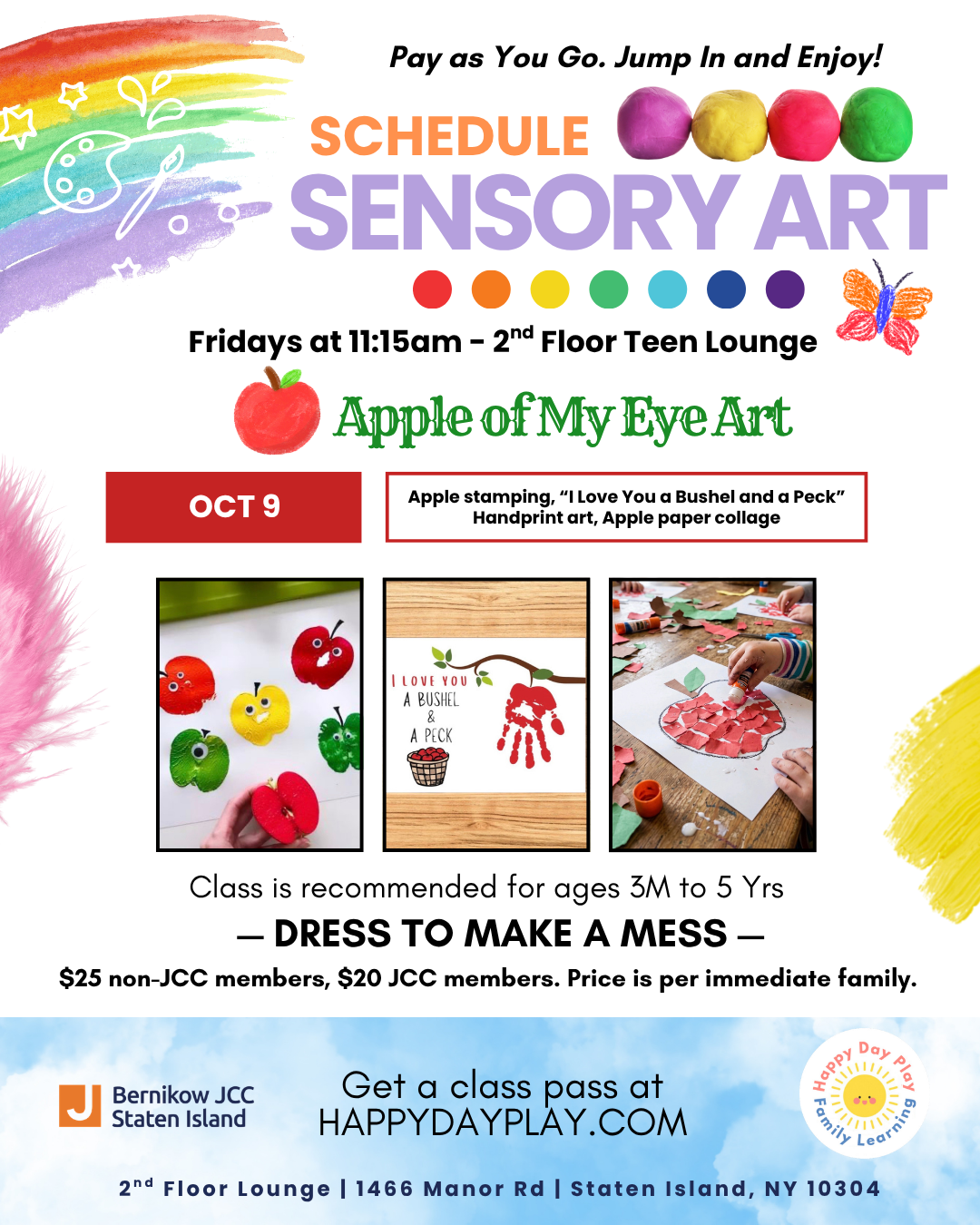
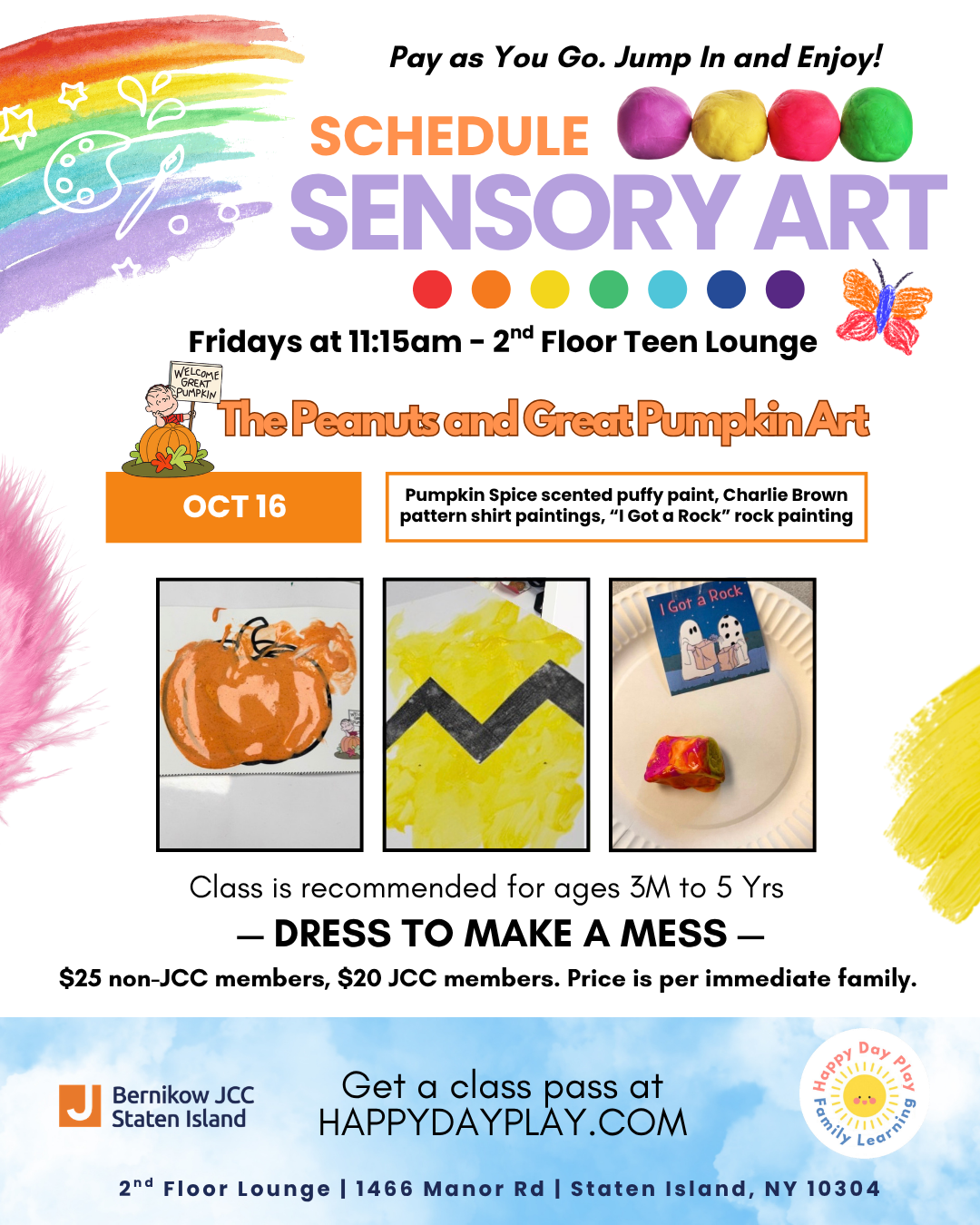
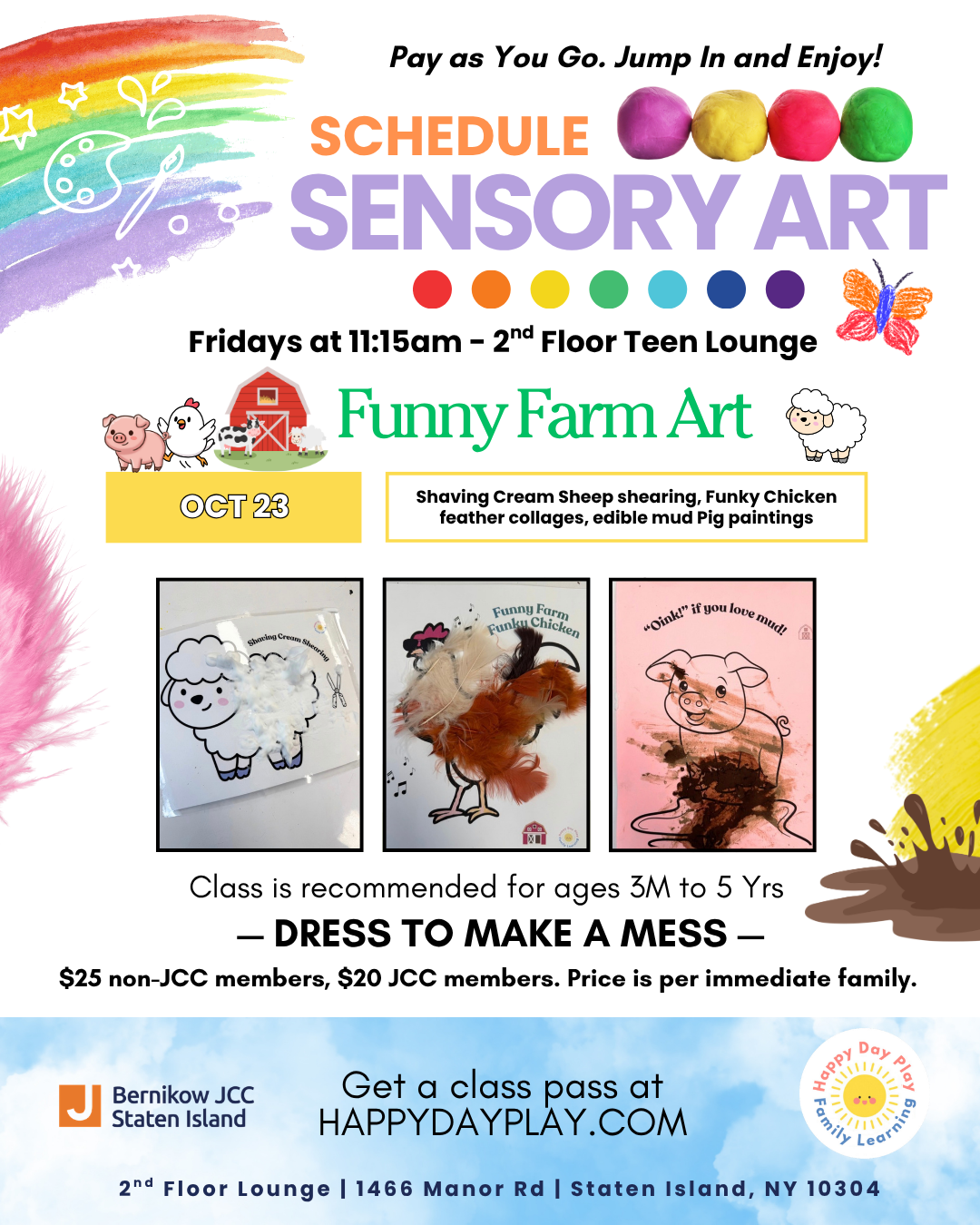
Mess-free sensory play is proof that big developmental wins can come in small, tidy packages. When you want fresh setups every week, a space someone else cleans up and other families to share it with, our sensory art classes bring the materials and welcome every grown-up in your child's life. The walk-in classes are one price per family, with no commitment and siblings included.
Key takeaways
- Contained still counts: A sealed sensory bag or bottle delivers the same squish, color and cause-and-effect as messy play, with the development to match.
- Mess-free is often safer: Sealed setups keep small, loose pieces out of a mouthing baby's reach, so tidy and choke-safe tend to go together.
- Great for tight spots: Reach for mess-free play in small spaces, on rainy or sick days, in the diaper bag, and for a child who feels calmer with less mess.
- Seal well and stay close: Double-bag and tape every edge, supervise the whole time, and keep out any loose piece that fits through a paper-towel tube.
Sources & further reading 4
- National Association for the Education of Young Children. Rocking and Rolling: Using Materials Creatively to Enhance Toddler Learning Environments. Young Children. naeyc.org
- Zero to Three. Learning Through Play: Birth to 12 Months. zerotothree.org
- Yogman, M., Garner, A., Hutchinson, J., Hirsh-Pasek, K., & Golinkoff, R. M. (2018, reaffirmed 2025). The Power of Play: A Pediatric Role in Enhancing Development in Young Children. Pediatrics, American Academy of Pediatrics. publications.aap.org
- Center on the Developing Child at Harvard University. Serve and Return. developingchild.harvard.edu
About this article
Every article on Happy Day Play is written by Kaitlynn Blyth herself, then checked against our published standards before it goes live. You can read exactly how we research, verify, and fact-check our work, and how we use and limit AI, in the policies below.
Last fact-checked June 22, 2026
Read More About Art and Sensory Play