Taste-Safe Sensory Art for Babies: Edible Paints and Dough by Age
Babies put everything in their mouths, so the safest first art is the kind they can taste. Here's why edible, taste-safe sensory art supports your baby's development, plus simple paint and dough recipes to try by age.
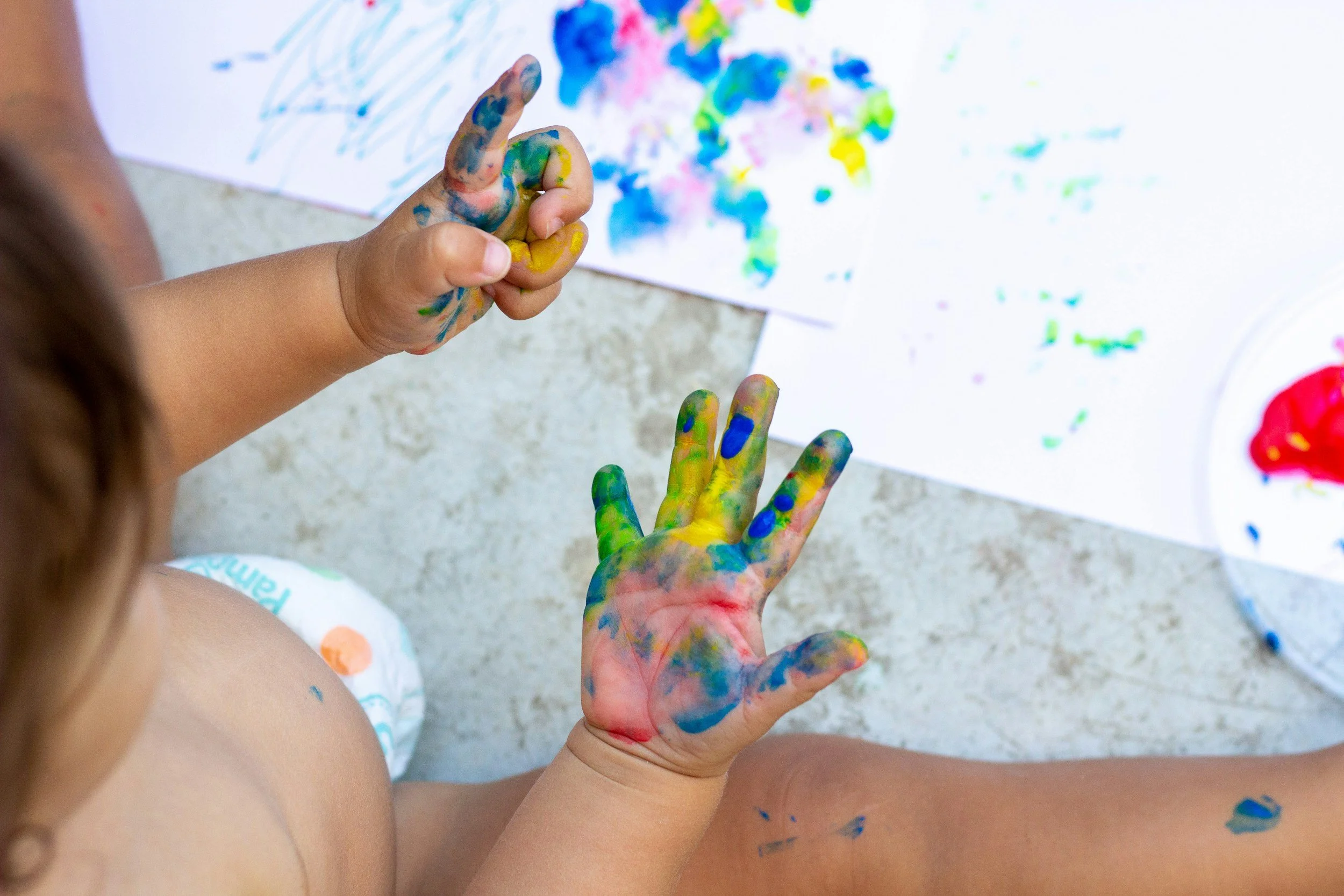
Taste-safe means a lick or a mouthful is harmless to a baby or toddler.
Your 6-month-old grabs a fistful of paint and heads straight for her mouth. That's not a habit to break (believe it or not!) That's how babies are built to explore from a developmental perspective.
Zero to Three points out that mouthing is normal, and one of the first ways babies learn about the shape, size and texture of the things around them. For a baby, the mouth is a sense organ as much as the hands are.
Taste-safe materials come first for that reason. When the paint, the dough and the goop are all edible, your baby can explore the way her body wants to, and you can relax instead of guarding every handful. Taste-safe means a lick or a mouthful is harmless. These mixes are for exploring, so expect a taste test, keep portions small and store leftovers like you would any fresh food.
What sensory art builds in the first year
Sensory art is open-ended play with color and texture, and play is serious developmental work. The National Association for the Education of Young Children calls the open-ended version process art, where there's no sample to copy and no single right way to create. For a baby, the whole point is the squish.
Here's what your baby practices while she explores:
Grip and fine motor: Smacking a tray, raking fingers through paint and squeezing a soft dough wake up the small hand muscles your baby uses later to grasp a crayon.
Cause and effect: She pats the puddle and it splatters, so she pats it again. That loop is the seed of early problem-solving.
The senses themselves: Cold yogurt, slippery puree and grainy oat flour each send your baby new information about her world.
Connection with you: The Harvard Center on the Developing Child describes serve and return, the back-and-forth between a baby and a warm adult that shapes brain architecture. Narrate while she plays. Try "You smooshed it flat" or "Brrr, that feels cold." Your words turn a sensory minute into a brain-building exchange.
Taste-safe paint and dough recipes by age
You can mix all of these from the pantry. Tint any of them with a few drops of fruit or vegetable puree, like beet for pink, blueberry for purple or spinach for green. Please be mindful to introduce your child to any materials prior and watch out for any allergic reactions. If you child is allergic, we obviously do not recommend using them for sensory art.
0 to 6 months: yogurt paint
Spoon 2 to 3 tablespoons of plain whole-milk yogurt into a muffin tin and stir a little puree into each well for color. Smear a few dots on a high-chair tray and let your baby splat and swirl. For a tidy version, seal the yogurt paint inside a zip-top bag, tape it flat to the tray, and let your baby press the color around through the plastic.
6 to 12 months: cornstarch finger paint
Whisk 1/4 cup cornstarch into 1 cup cold water, warm it gently on the stove while stirring until it thickens, then cool it completely. Divide it into a few cups and color each one. This makes a smooth, glossy paint that holds a fingerprint, which babies this age love now that their pincer grasp is coming in.
12 months and up: no-salt taste-safe dough
Mix 1 cup flour with about 1/4 cup water and 1 teaspoon of oil until it forms a soft dough, adding a little puree for color. Most playdough recipes use a lot of salt, which a still-mouthing toddler would likely spit out. Let your toddler poke, flatten and pull it apart. If they somehow love the overly salty taste, please remove from their reach.
Keeping taste-safe art safe
Taste-safe lowers the stakes, and supervision is still the rule. The American Academy of Pediatrics, through its parent site HealthyChildren.org, is clear that babies and toddlers explore by putting things in their mouths, which is why close supervision and keeping small or hard objects out of reach matter so much. A few simple habits cover most of it:
Stay within arm's reach: Sit with your baby the whole time, the same as you would at mealtime.
Check for allergies first: These recipes use common foods like dairy and wheat. If your baby hasn't tried them yet, or allergies run in your family, check with your pediatrician before you start.
Introduce one new texture at a time: A single material and a single color give a young baby plenty to take in.
Bring it to class, or try it tonight
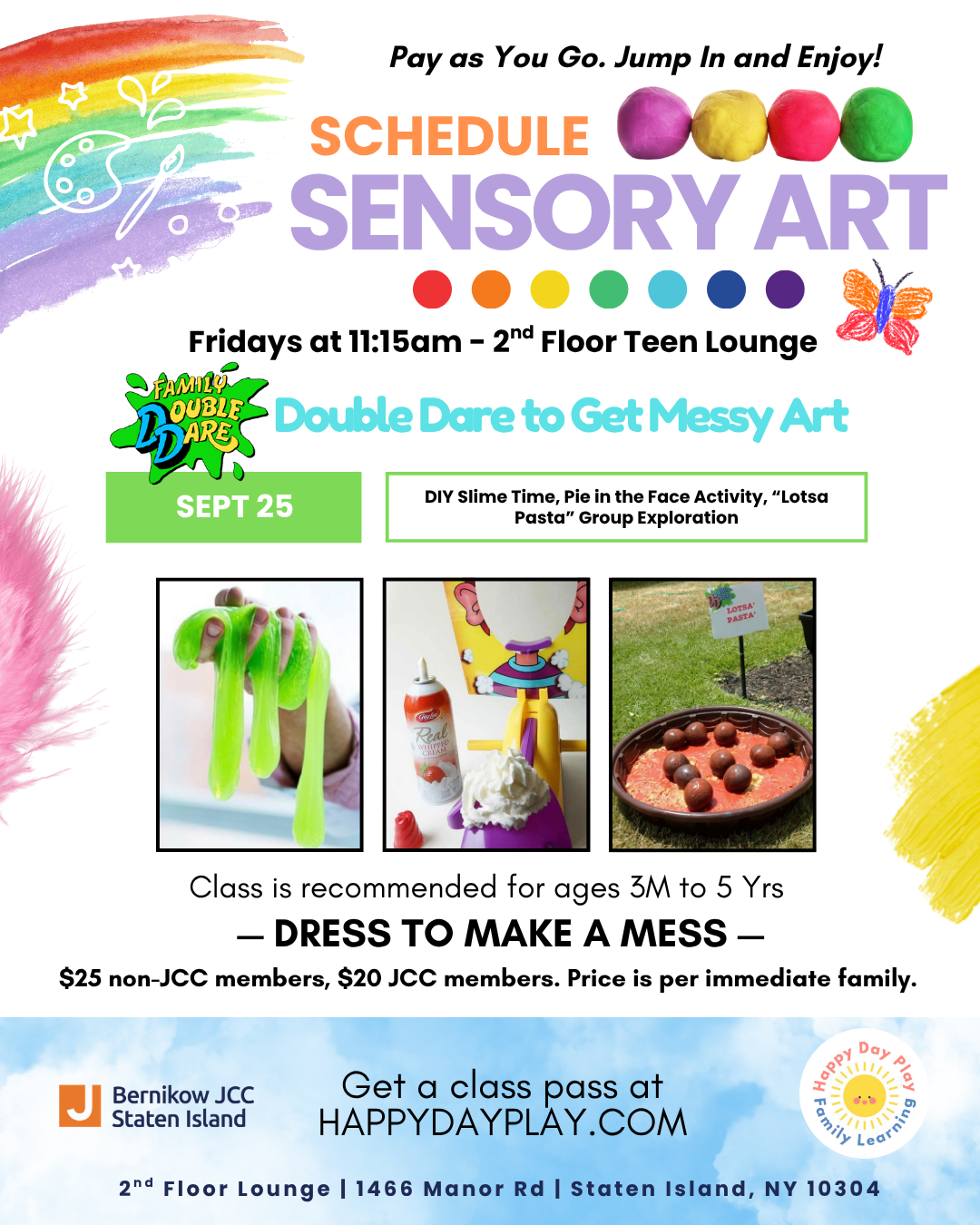
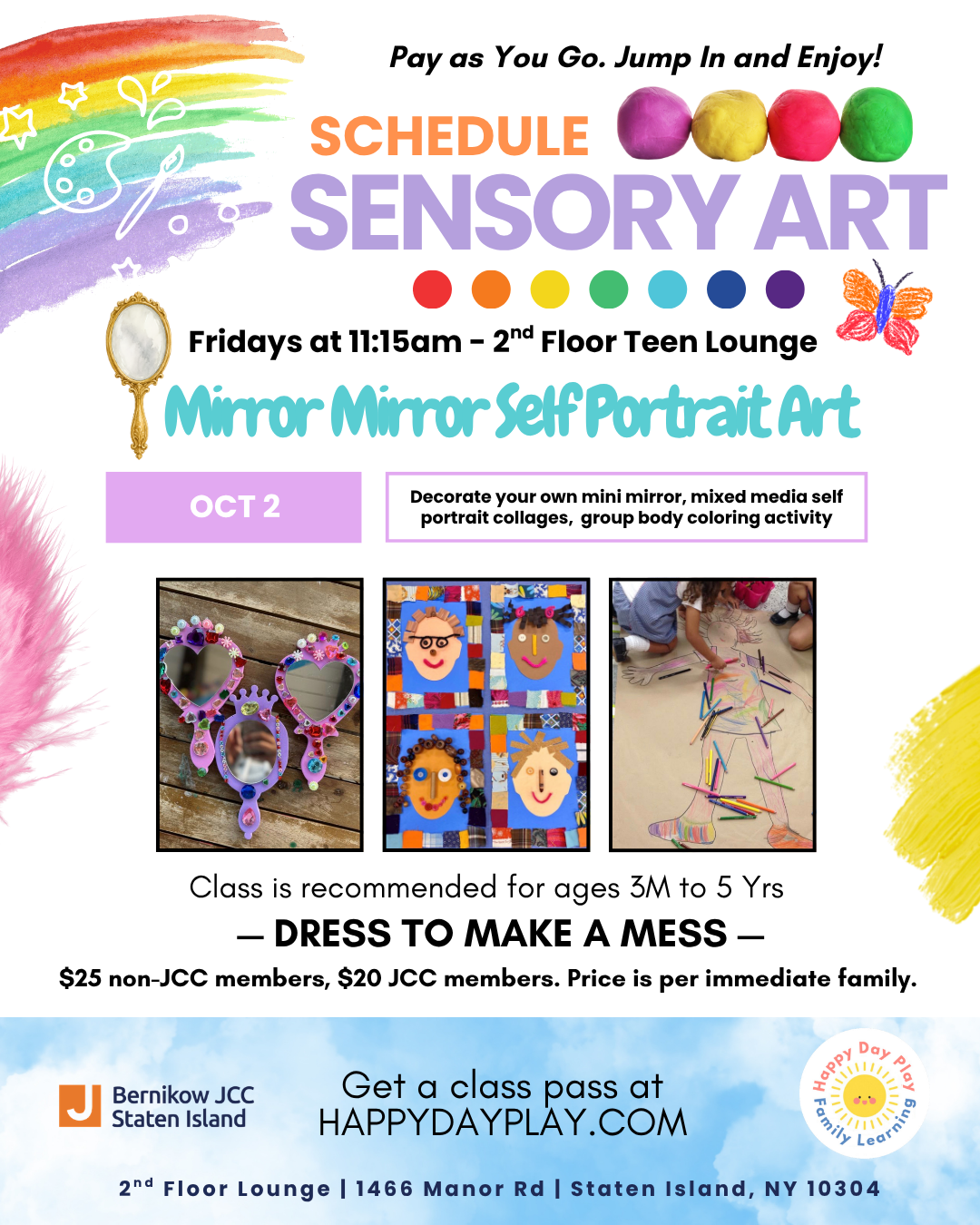
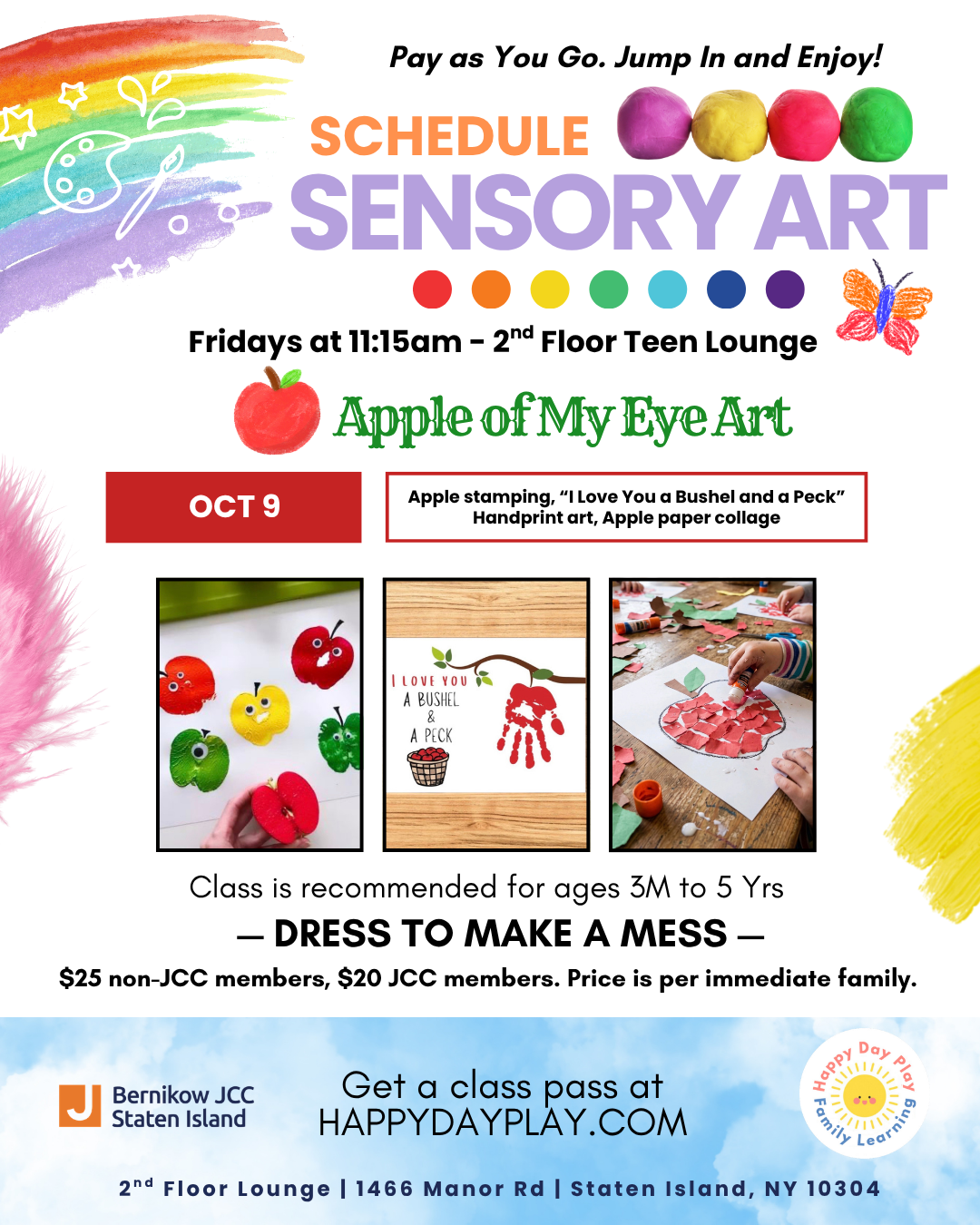
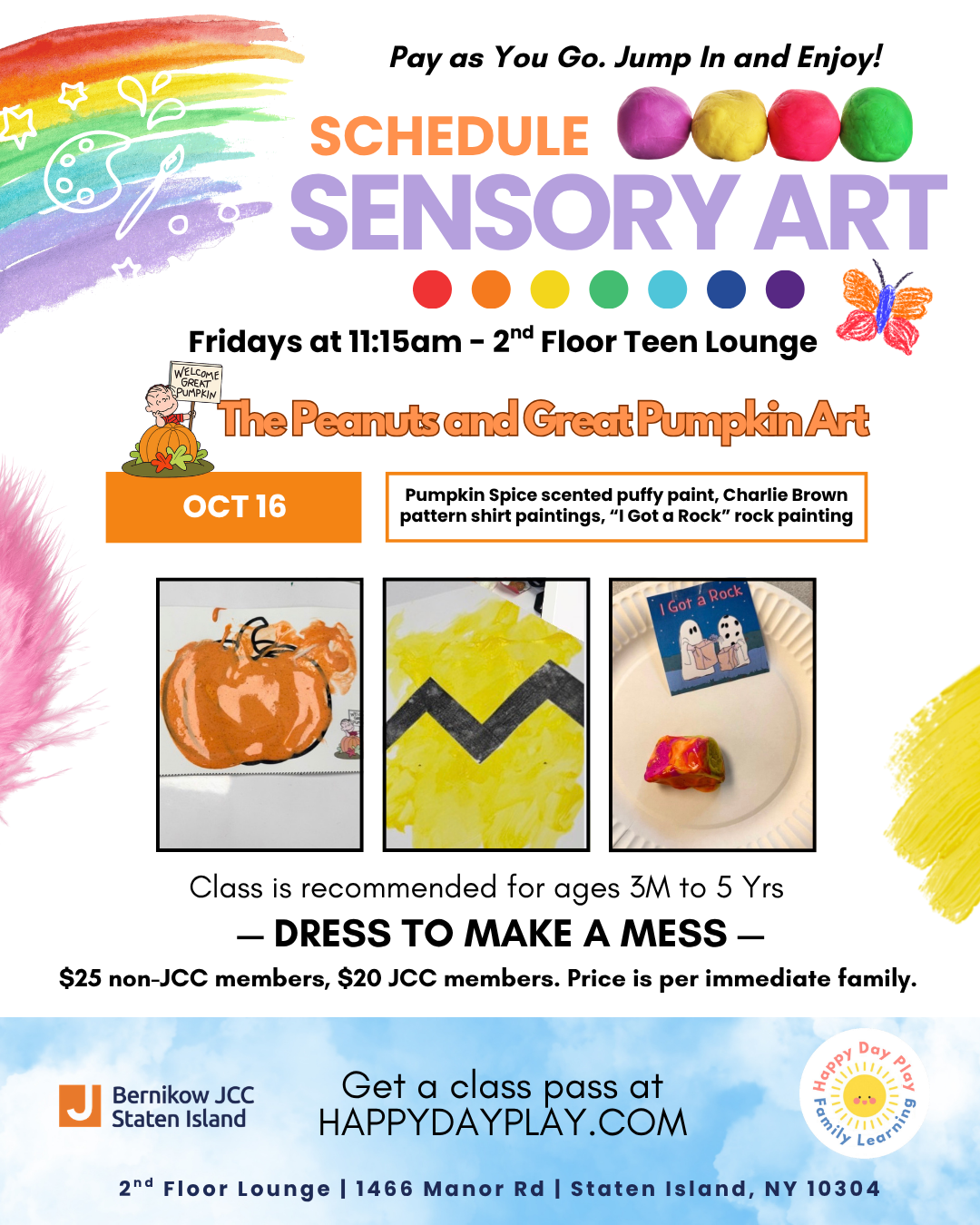
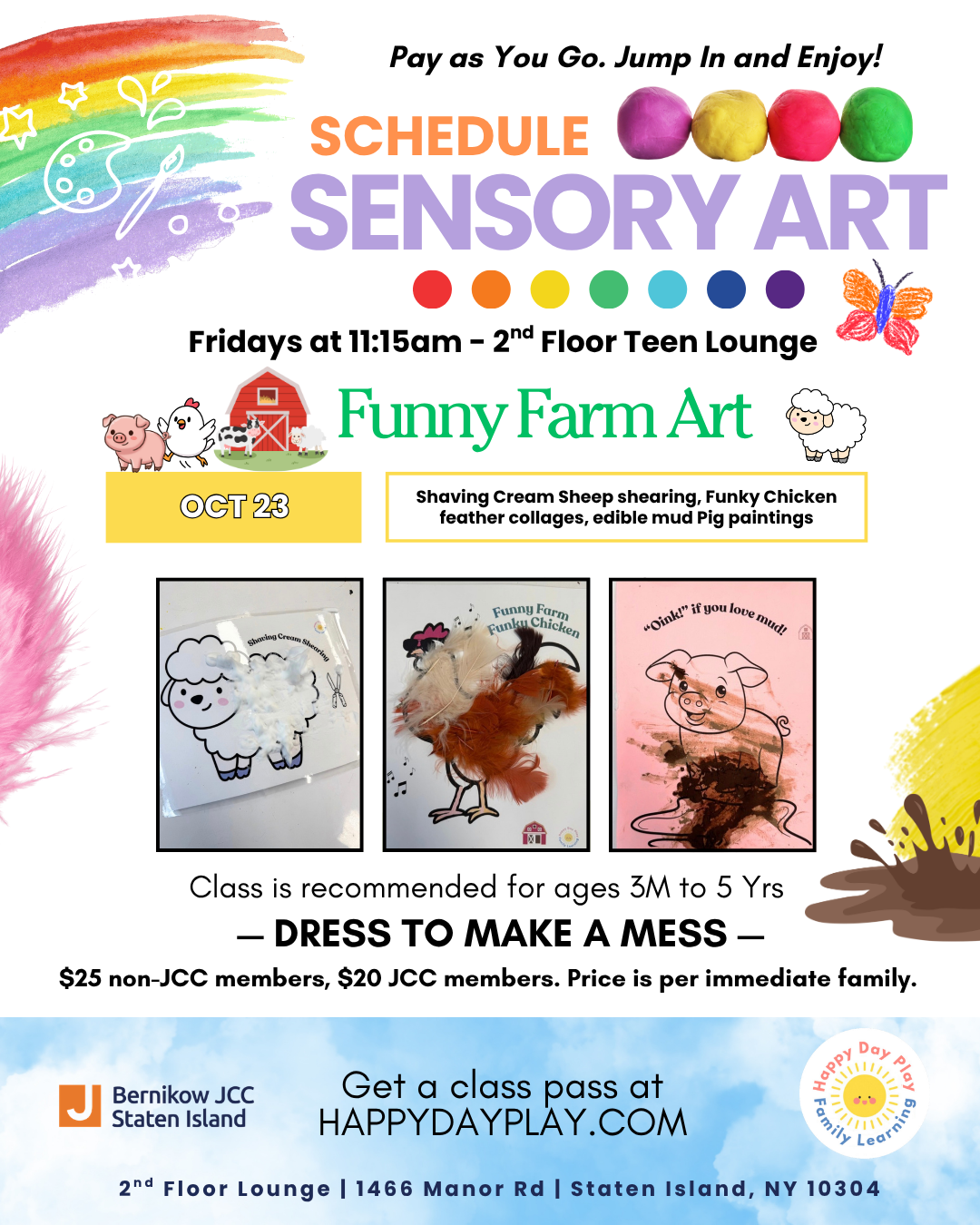
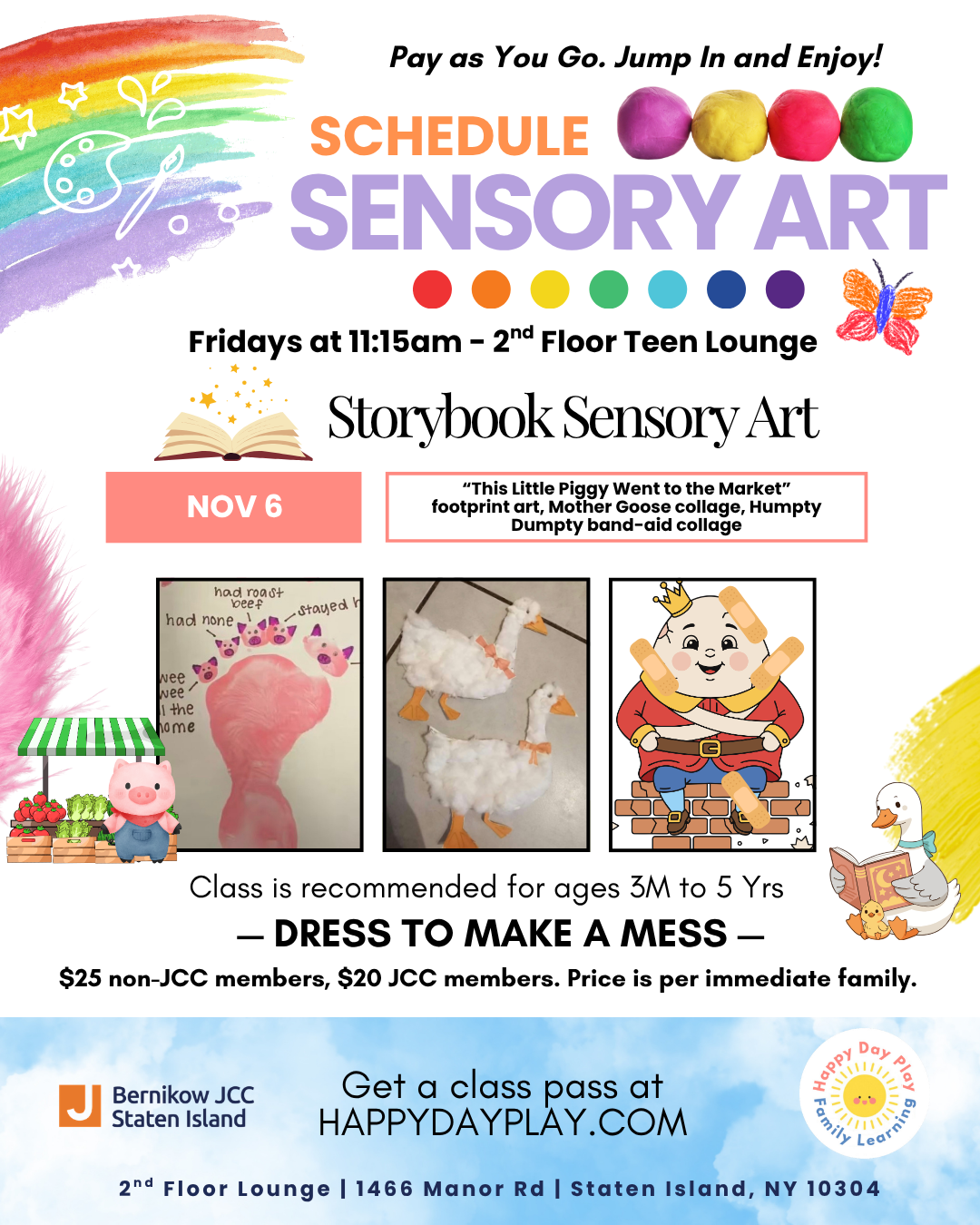
Taste-safe sensory art is one of the easiest ways to slow down and connect with your baby, and you don't need a class to start. When you want fresh materials every week, a setup someone else cleans up and other families nearby, our sensory art classes are built for babies through preschoolers and welcome every grown-up in your child's life. The walk-in classes are one price per family, with no commitment and siblings included.
Key takeaways
- Mouthing is normal: Babies learn texture, size and shape by tasting, so edible, taste-safe materials are the right first art.
- The squish is the point: Open-ended sensory art builds grip, cause-and-effect thinking and connection with you, no finished product required.
- Match the recipe to the age: Yogurt paint for the littlest babies, cooked cornstarch paint around 6 to 12 months, and no-salt dough for toddlers who still taste everything.
- Taste-safe still needs supervision: Stay within arm's reach, leave out small choke-able add-ins, and check with your pediatrician about food allergies first.
Sources & further reading 4
- Zero to Three. Supporting Language and Literacy Skills From 0–12 Months. zerotothree.org
- Bongiorno, L. (2014). The benefits of process-focused art experiences for preschoolers. Teaching Young Children, National Association for the Education of Young Children. naeyc.org
- American Academy of Pediatrics. Choking Prevention for Babies & Children. HealthyChildren.org. healthychildren.org
- Center on the Developing Child at Harvard University. Serve and Return. developingchild.harvard.edu
About this article
Every article on Happy Day Play is written by Kaitlynn Blyth herself, then checked against our published standards before it goes live. You can read exactly how we research, verify, and fact-check our work, and how we use and limit AI, in the policies below.
Last fact-checked June 22, 2026
Read More About Art and Sensory Play