Baby Sleep Tools: White Noise, Swaddling and What the Evidence Says
Swaddles, white noise, sleep sacks, pacifiers. A Family Life Educator walks through the most popular baby sleep tools, what the research actually shows and how to use each one safely.
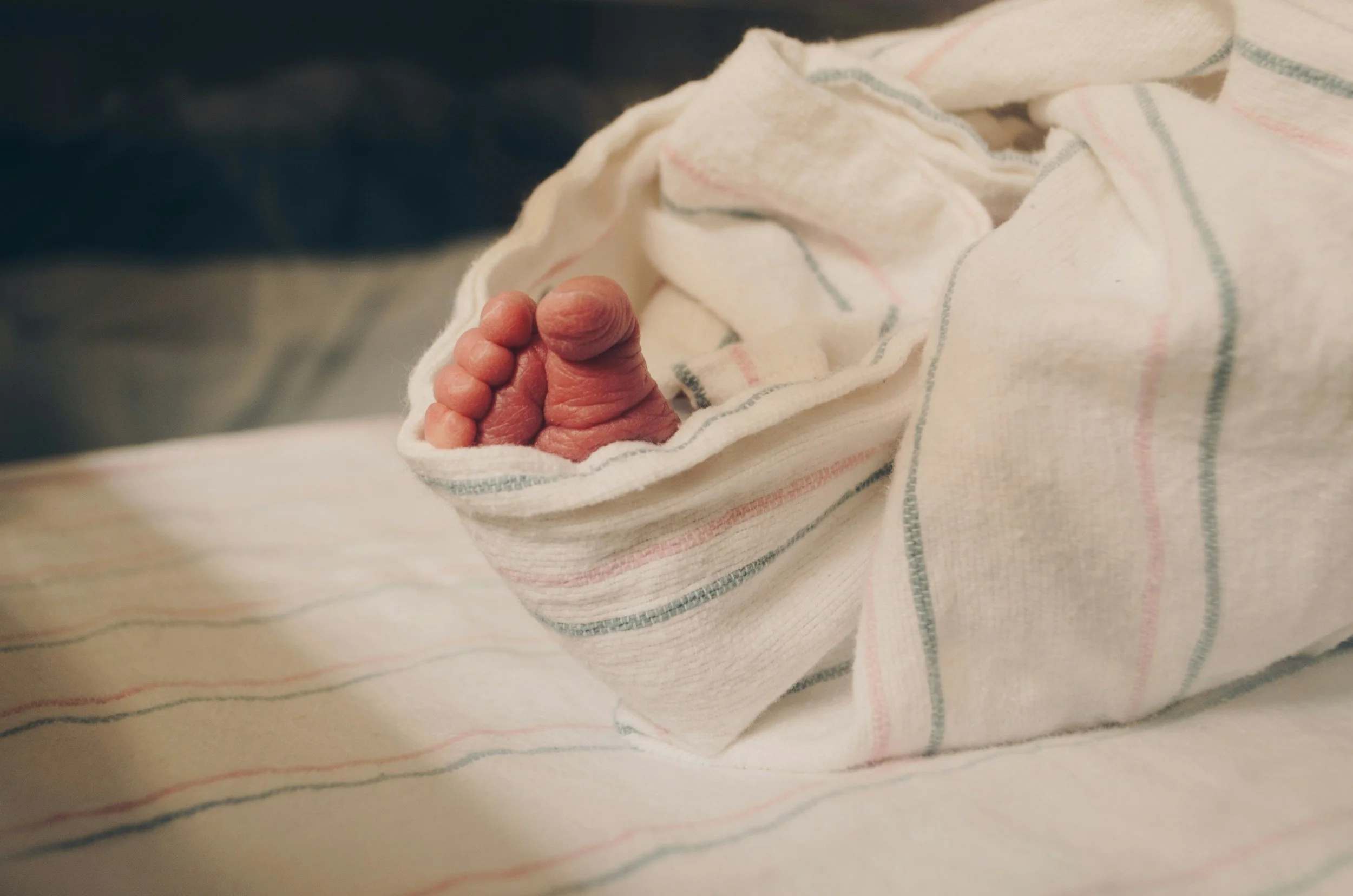
Can swaddling, white noise or other tools help your baby with sleep?
Search "help baby sleep" and you'll drown in gadgets: swaddles, sound machines, special sacks, projectors, vibrating mattresses and more. Some of these tools have real research behind them. Others are mostly marketing. The trick is knowing which is which, and how to use the good ones safely.
Before any tool, the foundation is the same. The American Academy of Pediatrics is clear that every sleep, for every baby, belongs on the back, on a firm flat surface, in a clear space. Tools sit on top of those basics, never around them.
With that in place, here's an honest rundown of the popular sleep tools and what the evidence actually says.
Swaddling
A snug swaddle recreates the cozy squeeze of the womb and quiets the startle reflex that jerks young babies awake. For many newborns, it buys longer, calmer stretches.
Safety is all in the technique. Always lay a swaddled baby down on their back. Keep the wrap snug around the arms and loose around the hips, so the legs can bend up and out. The International Hip Dysplasia Institute warns that swaddling the legs straight and pressed together raises the risk of hip problems, which is why that room to move matters. Most important, stop swaddling at the very first signs that your baby is trying to roll, usually somewhere around 2 to 4 months, because a swaddled baby who rolls onto their tummy can't push back up.
White noise and sound machines
Steady sound can mask a noisy household and help some babies settle, and it's a classic soothing trick for the witching hour. It comes with one real caveat: volume.
A 2014 study in the journal Pediatrics tested 14 infant sound machines and found that at full volume, every one topped the noise limit recommended for hospital nurseries, and a few reached levels that could risk hearing over long exposure. The fix is simple: Keep the volume low, place the machine across the room rather than next to the crib and use it for sleep rather than running it around the clock.
Sleep sacks and wearable blankets
Loose blankets aren't safe in a baby's sleep space, so a wearable blanket or sleep sack is a smart way to keep your baby warm without anything that could cover their face. A sack is also the natural next step once your baby outgrows the swaddle, since it allows free movement while they learn to roll. Avoid a weighted sleep sack at all costs, despite the promise of more sleep. They are not safe for babies.
Pacifiers
A pacifier does double duty. It soothes, and the AAP notes that offering a pacifier at naps and bedtime is linked to a lower risk of SIDS. Offer it once feeding is well established, and don't worry about popping it back in if it falls out after your baby is asleep.
Light and dark
Light is a tool too. A dark room supports nighttime sleep, while bright, active days help set your baby's body clock. If your newborn still has day and night reversed, our guide to day-night confusion walks through how that rhythm develops.
What to skip
A few popular products are best left on the shelf for infant sleep:
Weighted swaddles and blankets: the AAP advises against weighted products for babies, because the pressure on a small chest raises safety concerns.
Crib bumpers, pillows and loose blankets: anything soft in the sleep space is a suffocation risk.
Inclined sleepers and loungers: these aren't designed for safe sleep, so move your baby to a flat, firm surface for naps and nighttime.
Baby sleep tool FAQs
Is white noise safe for babies?
It can be, with care. Keep the volume low, set the machine across the room from the crib and use it for sleep rather than all day.
When should I stop swaddling?
Stop at the first signs your baby is trying to roll, usually around 2 to 4 months. After that, a sleep sack keeps them warm while they move freely.
Are weighted sleep sacks safe?
The AAP advises against weighted swaddles and blankets for infants. A standard, well-fitting sleep sack is the safer choice.
Do I actually need any of these?
No, none are required. They're optional aids that sit on top of safe, consistent, calm sleep, which does the heavy lifting.
Tools can smooth the edges, and a few genuinely help. The biggest levers are still the simplest ones: a safe sleep space, a calm and predictable wind-down and a steady grown-up nearby. If you'd like more support building those rhythms, our Grown-Up & Me classes grow right along with your baby.
Key takeaways
- Every sleep tool sits inside the safe-sleep basics: back, firm flat surface, clear space.
- Swaddling calms the startle reflex. Wrap snug at the arms and loose at the hips, and stop at the first signs of rolling.
- White noise can help, but keep the volume low and the machine across the room, and use it for sleep rather than all day.
- Skip weighted swaddles and blankets, crib bumpers, loose bedding and inclined sleepers.
Sources & further reading 4
- American Academy of Pediatrics. How to Keep Your Sleeping Baby Safe: AAP Policy Explained. HealthyChildren.org. American Academy of Pediatrics
- International Hip Dysplasia Institute. Hip-Healthy Swaddling. International Hip Dysplasia Institute
- Hugh, S. C., Wolter, N. E., Propst, E. J., Gordon, K. A., Cushing, S. L., & Papsin, B. C. (2014). Infant Sleep Machines and Hazardous Sound Pressure Levels. Pediatrics, 133(4), 677-681. American Academy of Pediatrics
- American Academy of Pediatrics. Baby Pacifiers & Thumb Sucking: What Parents Need to Know. HealthyChildren.org. American Academy of Pediatrics
About this article
Every article on Happy Day Play is written by Kaitlynn Blyth herself, then checked against our published standards before it goes live. You can read exactly how we research, verify, and fact-check our work, and how we use and limit AI, in the policies below.
Last fact-checked June 20, 2026
Read More About Sleep