Play-Based Learning: How Do You Know Your Child Is Actually Learning?
A 2026 international review pulls together a decade of play-based learning research to answer the question every pressured parent is really asking: if my child is just playing, how do I know they're learning?

What does play-based learning actually build for young children, how do you know it's working, and why is it so hard to put into practice?
Every parent gets the same pitch when they ask how to best support their child’s early learning: flashcards, "academic readiness" apps, workbooks for kids barely out of diapers. You probably already suspect play is good for your child. So here's the question the marketing quietly preys on: if my kid is just playing, how do I know they're actually learning? A 2026 international review pulled together a decade of research to answer that, and to explain why, even though almost everyone agrees play works, so many families still feel pushed toward worksheets.
What the 2026 play-based learning review actually set out to do
A 2026 scoping review in the Early Childhood Education Journal didn't try to prove that play work (we've known that for decades). Instead, it mapped a decade of recent research, 51 studies from North America, Europe, Asia and Africa published between 2015 and 2023, to answer more practical questions: what does play-based learning actually build for young children, how do you know it's working, and why is it so hard to put into practice?
The studies using numbers and mixed methods pointed to cognitive, academic and social-emotional benefits. The qualitative studies showed gains in independence and problem-solving. The review went somewhere most "play is great" content avoids: it surfaced the messy parts, the challenges of putting play-based learning into practice, the confusion around how to assess play, and the gap between what parents, teachers and policymakers believe about play and what the evidence shows.
"But how do I know they're learning?"
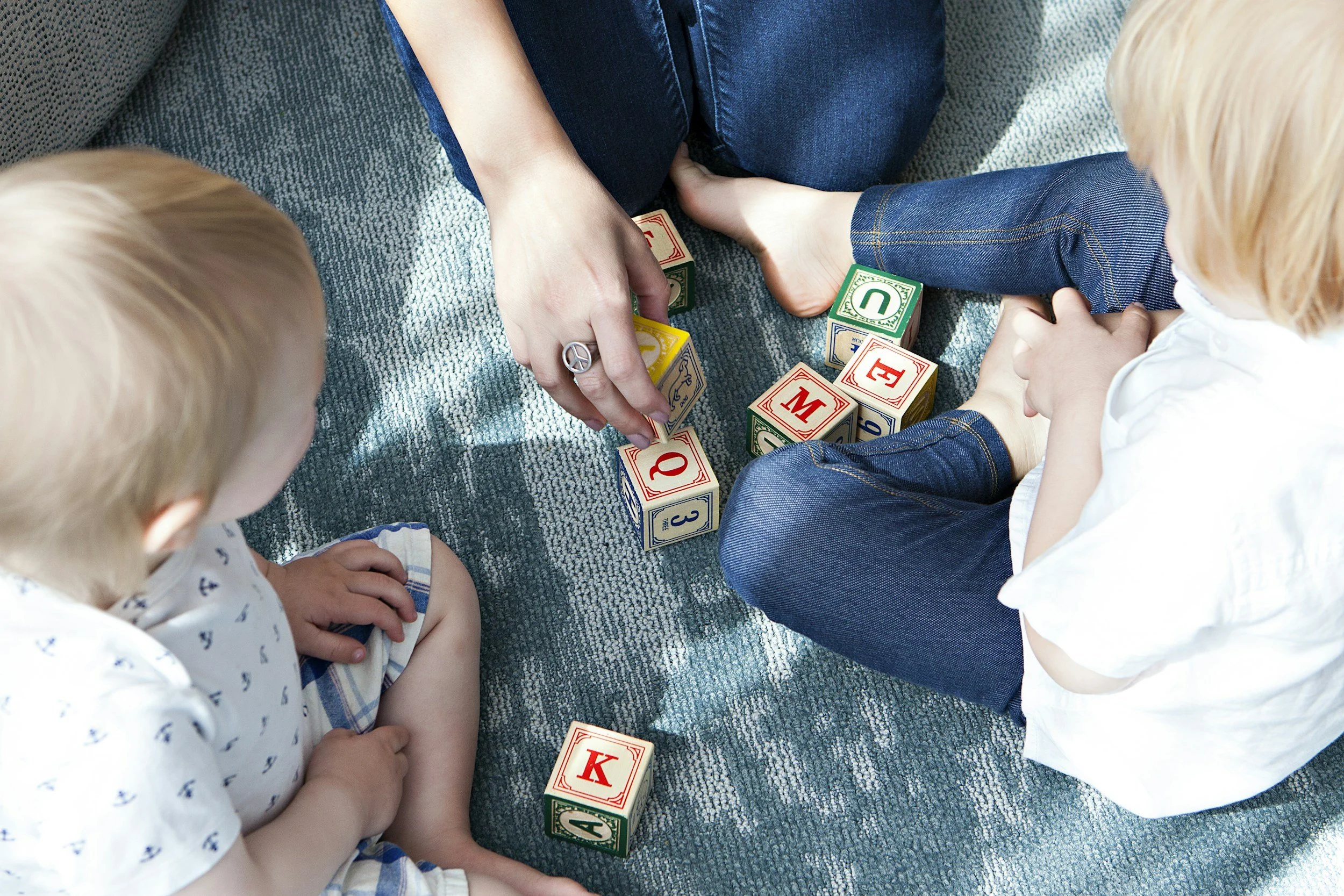
This is the question underneath the worksheet pressure, and the review names it directly: measuring learning inside play is genuinely harder than scoring a worksheet, which is a big reason play gets undersold. The learning is there, but just looks different. It's your child negotiating whose turn comes next, narrating a story to their blocks, testing why the tall tower keeps falling and trying again. Those are cognitive, language and self-regulation skills in motion. The mess on the floor is the worksheet.
Free play vs guided play, and why the difference matters
Free play is fully child-directed and open-ended. Your child decides what to do, how to do it, and when they're done, with no set learning goal and no adult steering the outcome. You might be nearby, but you're not running it. Think of a child building whatever they want out of blocks, inventing a pretend world, or digging in sand with no particular plan. The value is in the autonomy: free play grows imagination, independence, self-regulation and the ability to solve problems on their own terms, precisely because no one is directing it.
Guided play still feels like play to the child and they still lead it, but a thoughtful adult has a gentle learning goal in mind and supports it from alongside. The adult shapes the setup or follows the child's interest and stretches it with a well-placed question, a new word, or a small challenge, without taking over. It sits in the middle of a spectrum: free play on one end, direct instruction (a worksheet or a lesson) on the other, and guided play in between. For example, while your child stacks cups, you might count them together, or ask "what do you think happens if we build it taller?" The child is still choosing and driving the play, but you've quietly woven in language, math or problem-solving.
The simplest way to tell them apart is to ask two questions: who set the goal, and who's driving? In free play, there's no external goal and the child drives entirely. In guided play, there's a soft learning goal (yours), but the child is still in the driver's seat and it never stops feeling like play. The moment the adult takes the wheel and the child is mostly following directions, you've crossed into instruction, which has its place but isn't play.
That middle lane is exactly what a well-run Grown-Up & Me class is built on, and it's why guided play tends to be where a lot of the skill-building happens: it keeps the motivation of play while pointing it somewhere.
Free play is wonderful and necessary. Guided play adds an intentional adult who notices what a child is exploring and gently stretches it: asking a question, adding a word, introducing a small challenge. NAEYC, whose developmentally appropriate practice guidance underpins the field, defines good early learning as exactly this, a strengths-based, play-based approach for children from birth through age 8. It's also the design behind a well-run Grown-Up & Me class: play that looks spontaneous but is quietly built to grow skills. Guided open play is how you get the learning the review describes without turning playtime into a lesson.
Why the pressure is worse in the NYC metro
This is one of the most competitive early-education markets in the country. Families across Staten Island, NYC and nearby NJ are wired into a culture of admissions, gifted programs and getting ahead that starts long before kindergarten, and the academic-prep marketing that rides along with it is relentless. Plenty of Bergen County families in NJ moved there specifically for the schools, which raises the stakes early. Add a long Northeast winter, when much of the play happens indoors and you start wondering whether indoor play even counts, and you get the perfect storm: a pressured, time-strapped parent reaching for the worksheet because it looks like progress. The research is your permission slip to put it down.
For easy, language-rich ways to make indoor play count, our guide to sensory play for 1-year-olds is a good place to start.
What play actually builds
Through play, children build self-regulation, the ability to wait, switch gears and manage feelings. They grow language through narration and pretend. They practice social negotiation with other kids. And they strengthen executive function, the mental control skills that strongly predict later school success. None of that fits on a flashcard, which is exactly why it's so easy to undervalue.
The Family Life Education lens around play-based learning
Family Life Education looks at the whole child inside the whole family, not a single academic metric. Play-based learning fits that lens, because play develops the child and deepens the parent-child relationship at the same time. When you get on the floor and follow your child's lead, you're doing developmentally appropriate practice and strengthening your bond in one move. That's the part a worksheet can never deliver.
Common questions about play-based learning
Is play-based learning just "letting kids play"?
Not quite. Free play matters on its own, but play-based learning usually means guided play: a child leads and an attuned adult extends it with a question, a word or a small challenge. The structure is mostly invisible, but it's there.
How do I know my child is learning and not just playing?
Watch what the play asks of them. Taking turns is self-regulation. Narrating a pretend scene is language. Rebuilding a tower that fell is problem-solving and persistence. The 2026 review notes that this kind of learning is harder to measure than a worksheet, but it's the learning that lasts.
Will my child fall behind without academic prep?
For young children, the evidence doesn't support that worry. Rich, guided play builds the cognitive, language and self-regulation skills that later academics sit on top of. The review linked play to cognitive, academic and social-emotional gains for pre-primary kids.
See guided open play in action
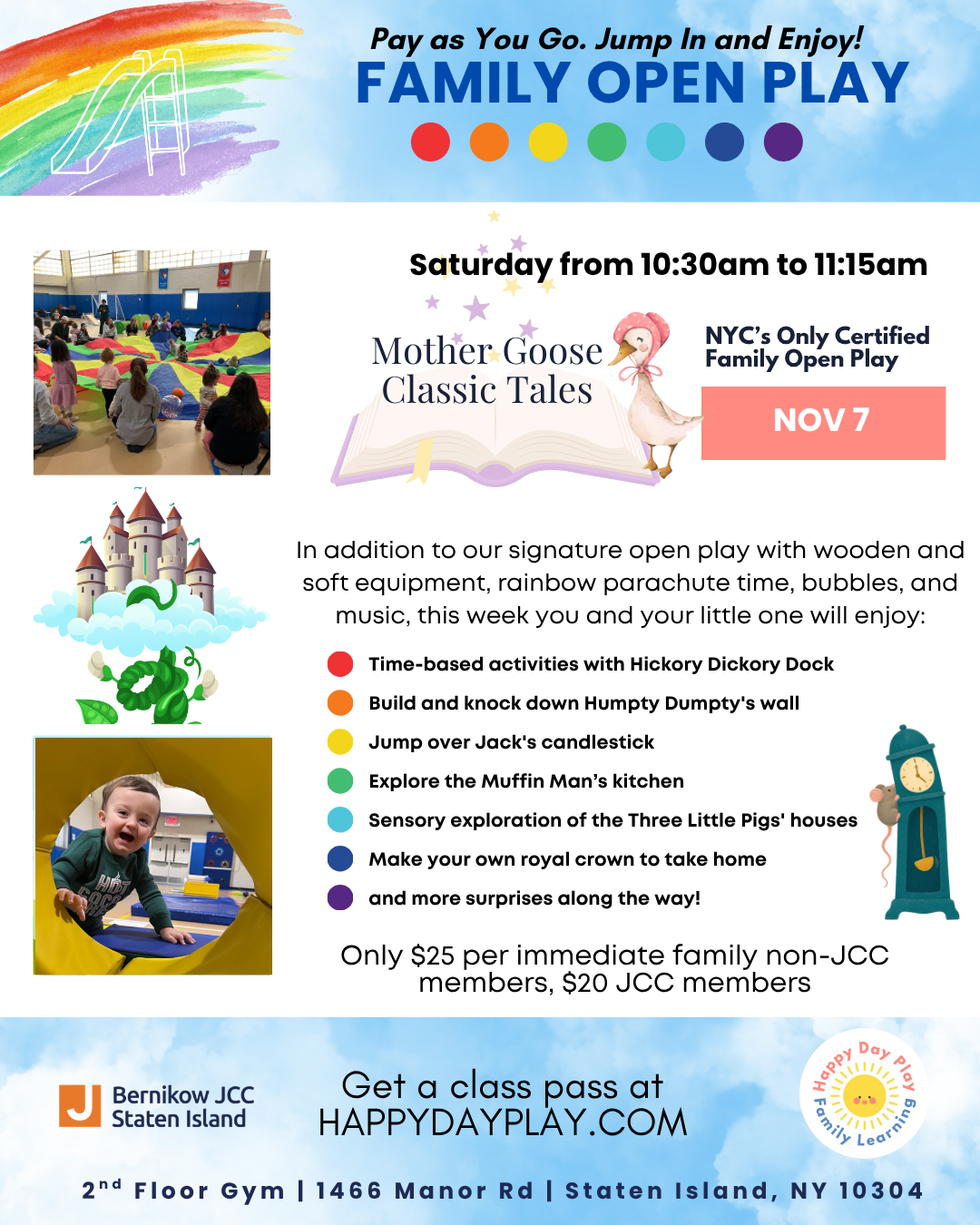
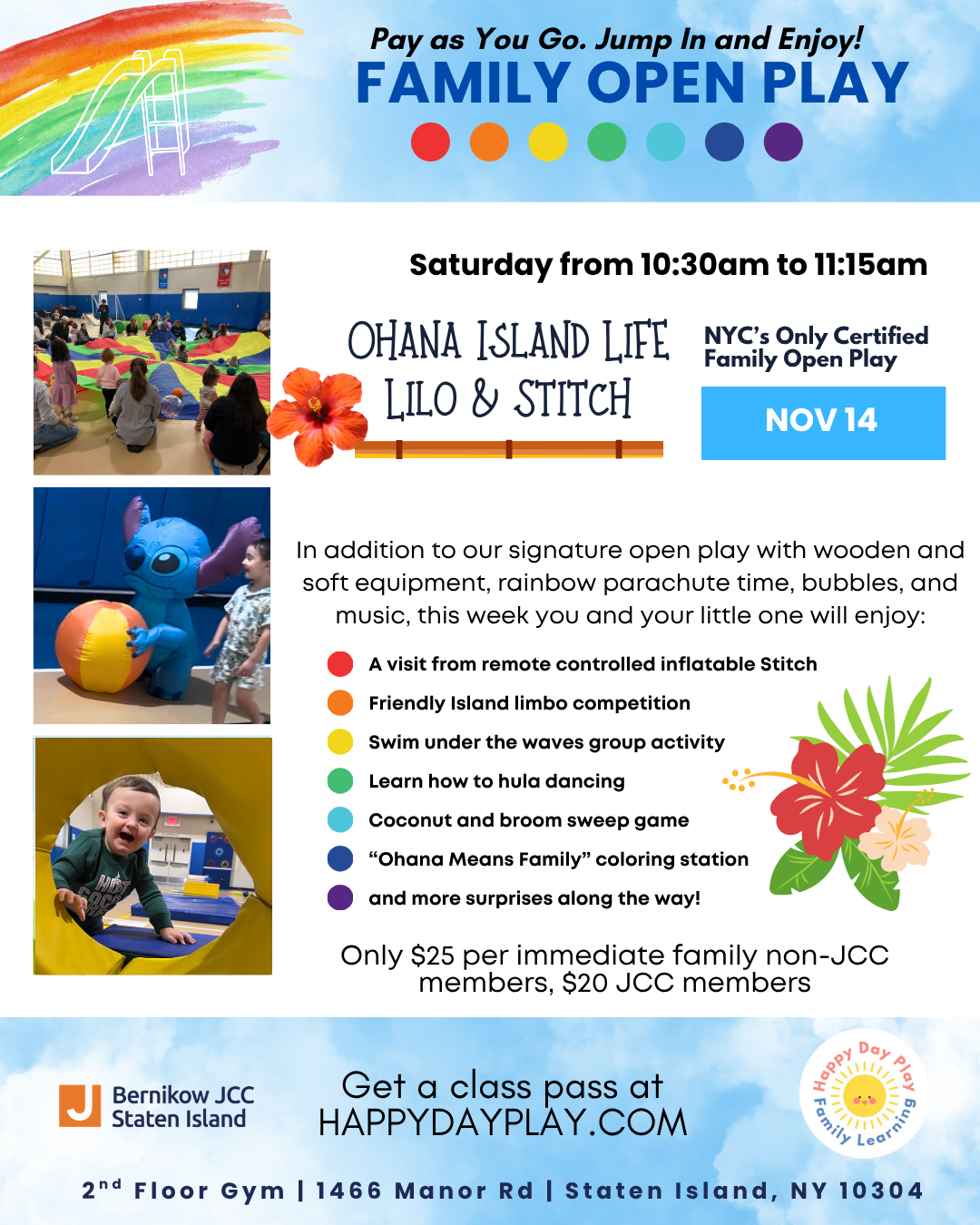
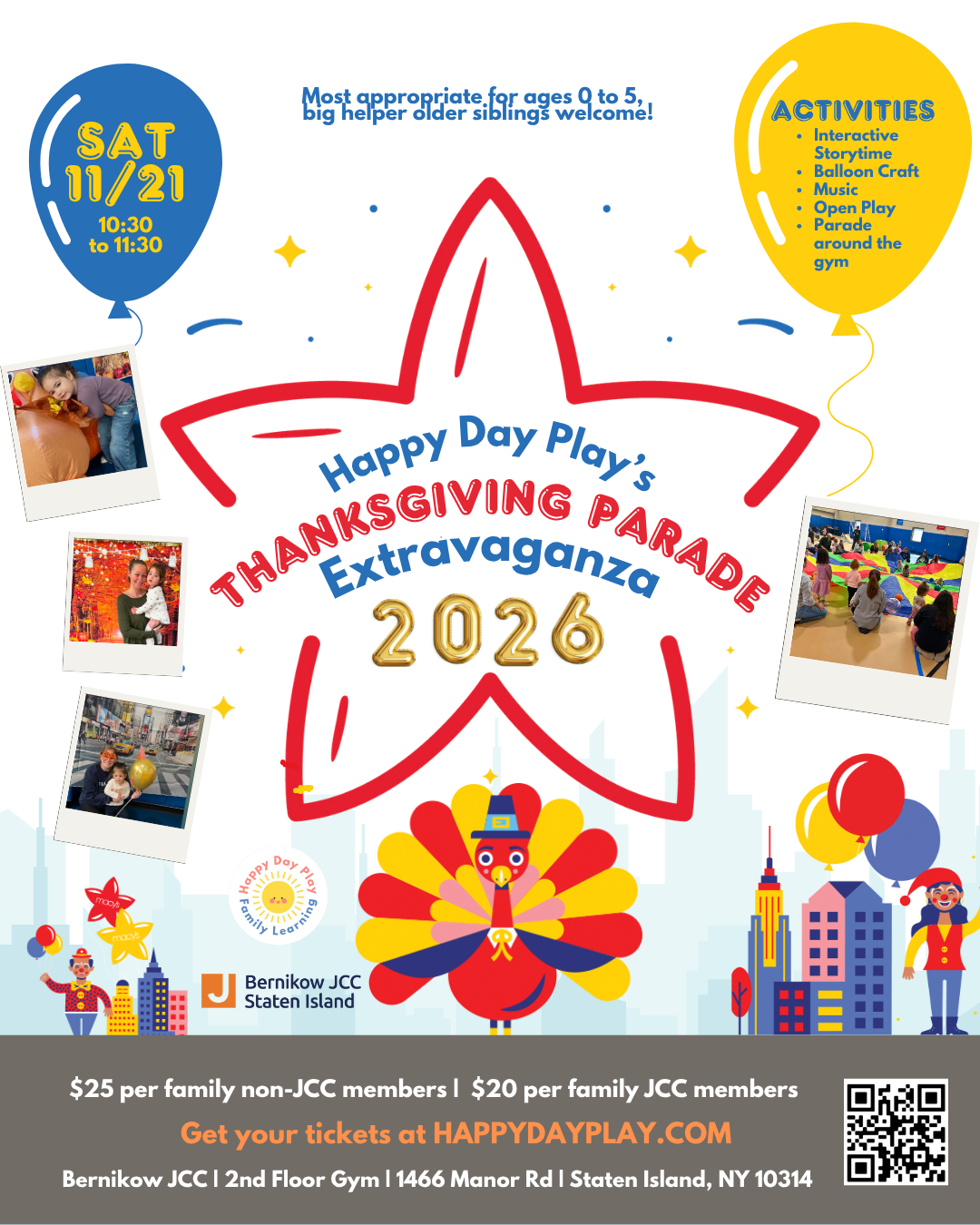
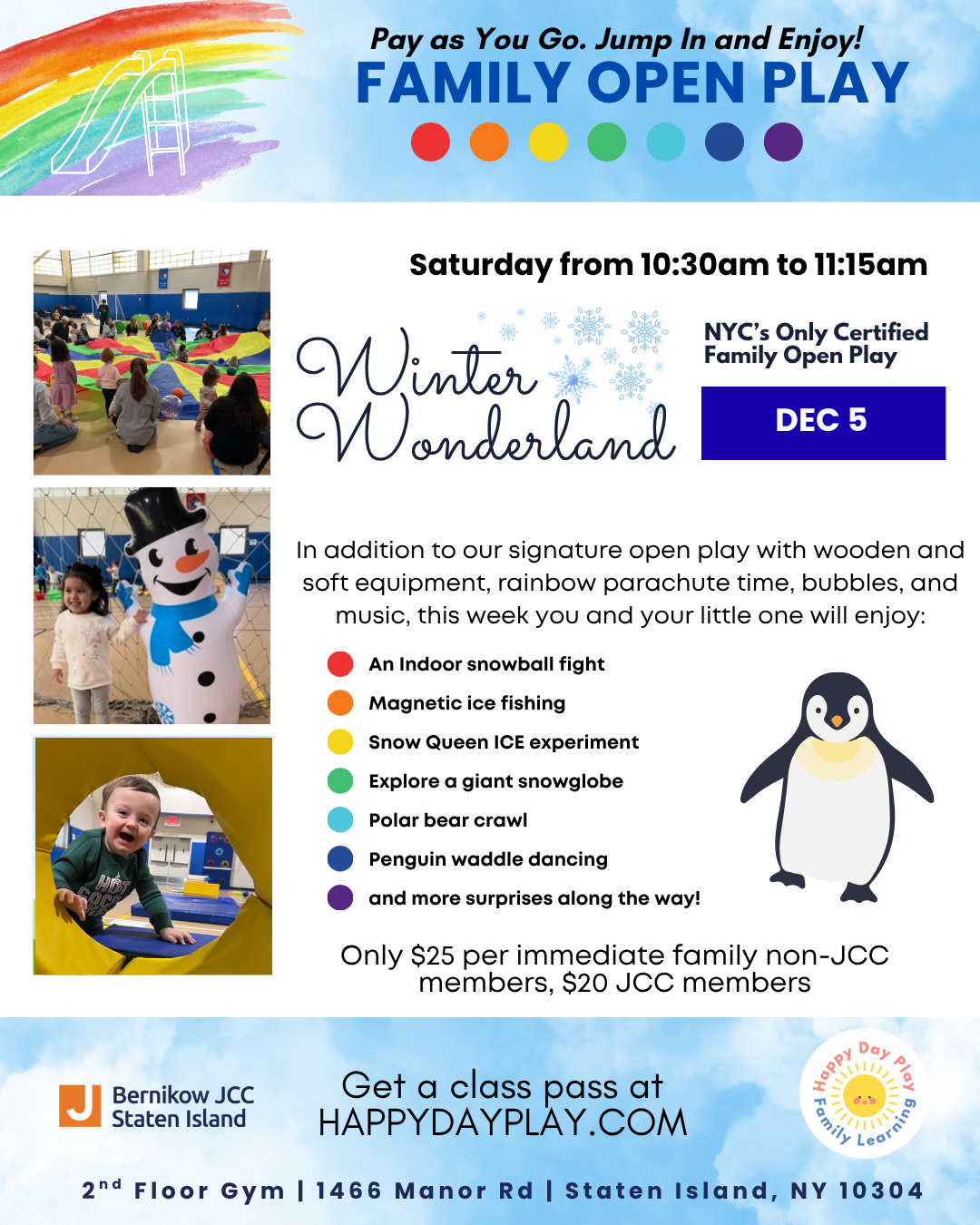
Happy Day Play’s Family Open Play class is guided open play by design: child-led, theme-rich and quietly built to grow real skills, led by a Family Life Educator. Our Grown-Up & Me classes are walk-in, one price per family, siblings included, with no commitment, so you can feel what play-based learning is like before you commit to anything. Come follow your child's lead with us while getting intentional family time together.
Key takeaways
- A 2026 international review (51 studies across four continents) confirms play-based learning supports cognitive, academic and social-emotional development. The real story isn't that play works, it's why families still get pushed toward worksheets.
- Learning through play is real, it just looks different from a worksheet and is harder to measure: taking turns is self-regulation, pretend is language, rebuilding a fallen tower is problem-solving.
- Guided play, child-led with gentle adult support, grows skills without turning playtime into a lesson.
- In the NYC metro, competitive-schooling pressure and long indoor winters push parents toward academic prep. The research is permission to protect play instead.
Sources & further reading 2
- Mohammed, A. H., Nigussie, B., Schellens, T., & Rotsaert, T. (2026). Play-Based Learning in Early Childhood Education: A Scoping Review. Early Childhood Education Journal. link.springer.com
- NAEYC. Principles of Child Development and Learning and Implications That Inform Practice (Developmentally Appropriate Practice). naeyc.org
About this article
Every article on Happy Day Play is written by Kaitlynn Blyth herself, then checked against our published standards before it goes live. You can read exactly how we research, verify, and fact-check our work, and how we use and limit AI, in the policies below.
Last fact-checked June 3, 2026
Read More About Play and Your Child’s Development