Is Pre-K Worth It? What a 20-Year Study of 400,000 Children Found
New research tracking students from third grade through high school found a lasting advantage for children who attended public school pre-K. A Family Life Educator explains what the study shows, what it can't tell us and what it means for NYC families weighing 3-K and Pre-K for All.
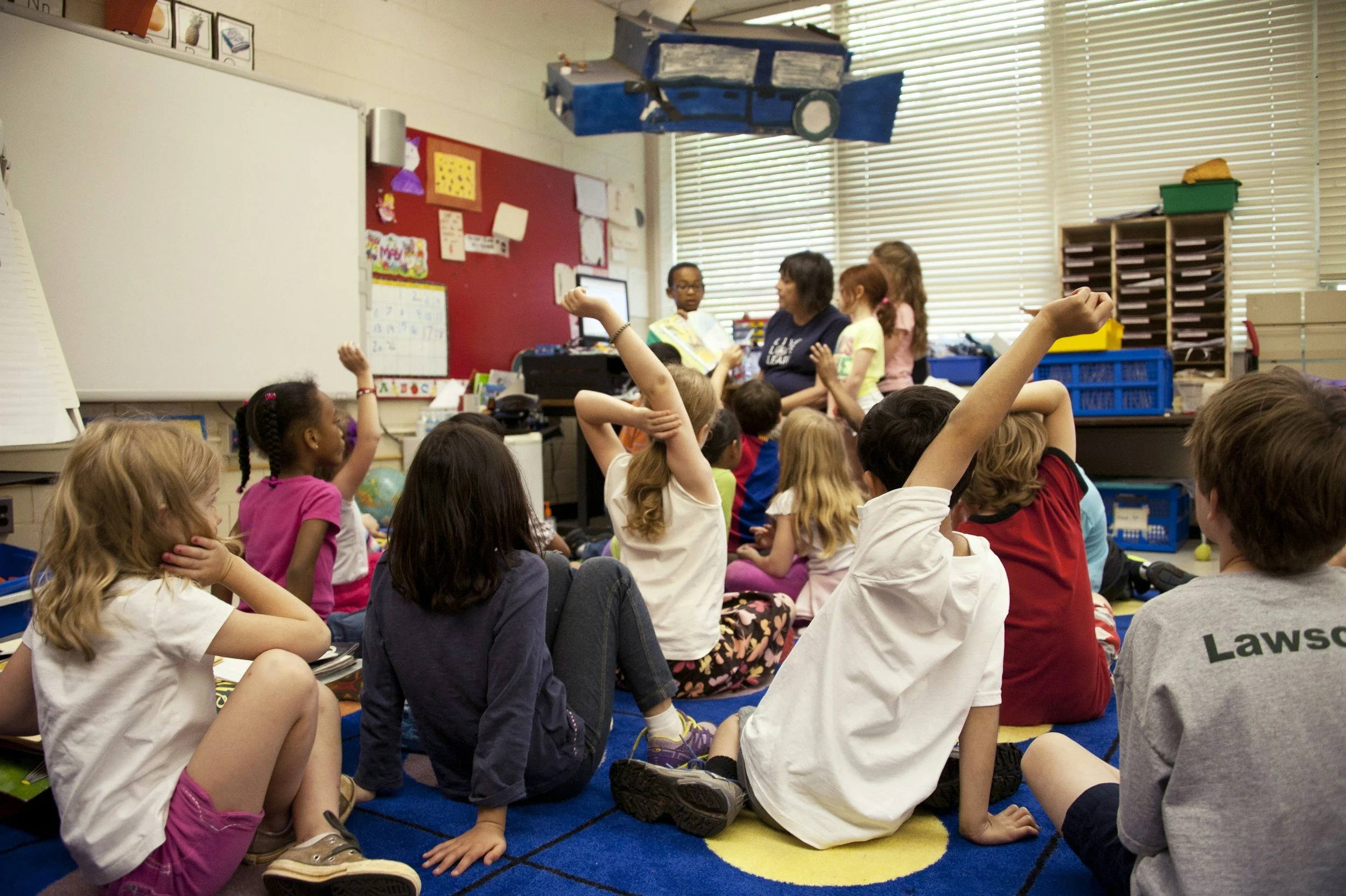
A 2026 study that followed about 400,000 students for roughly 20 years , and children who attended public school pre-K earned higher grades and test scores than peers who attended home-based child care until high school.
If you're raising a 2- or 3-year-old in New York City, you've probably heard the question at the playground. Is 3-K or pre-K worth it, or is your child just as well off at home or with a family child care provider?
A 2026 study that followed about 400,000 students for roughly 20 years adds useful evidence. Children who attended public school pre-K earned higher grades and test scores than peers who attended home-based child care, and the advantage lasted into high school. The details matter, though, especially the role teacher training seems to play.
What the 20-year pre-K study found
The study, published in Early Childhood Research Quarterly and led by George Mason University with Florida International University, followed about 400,000 Miami-Dade County public school students. According to ScienceDaily's summary, researchers compared children from three kinds of preschool settings:
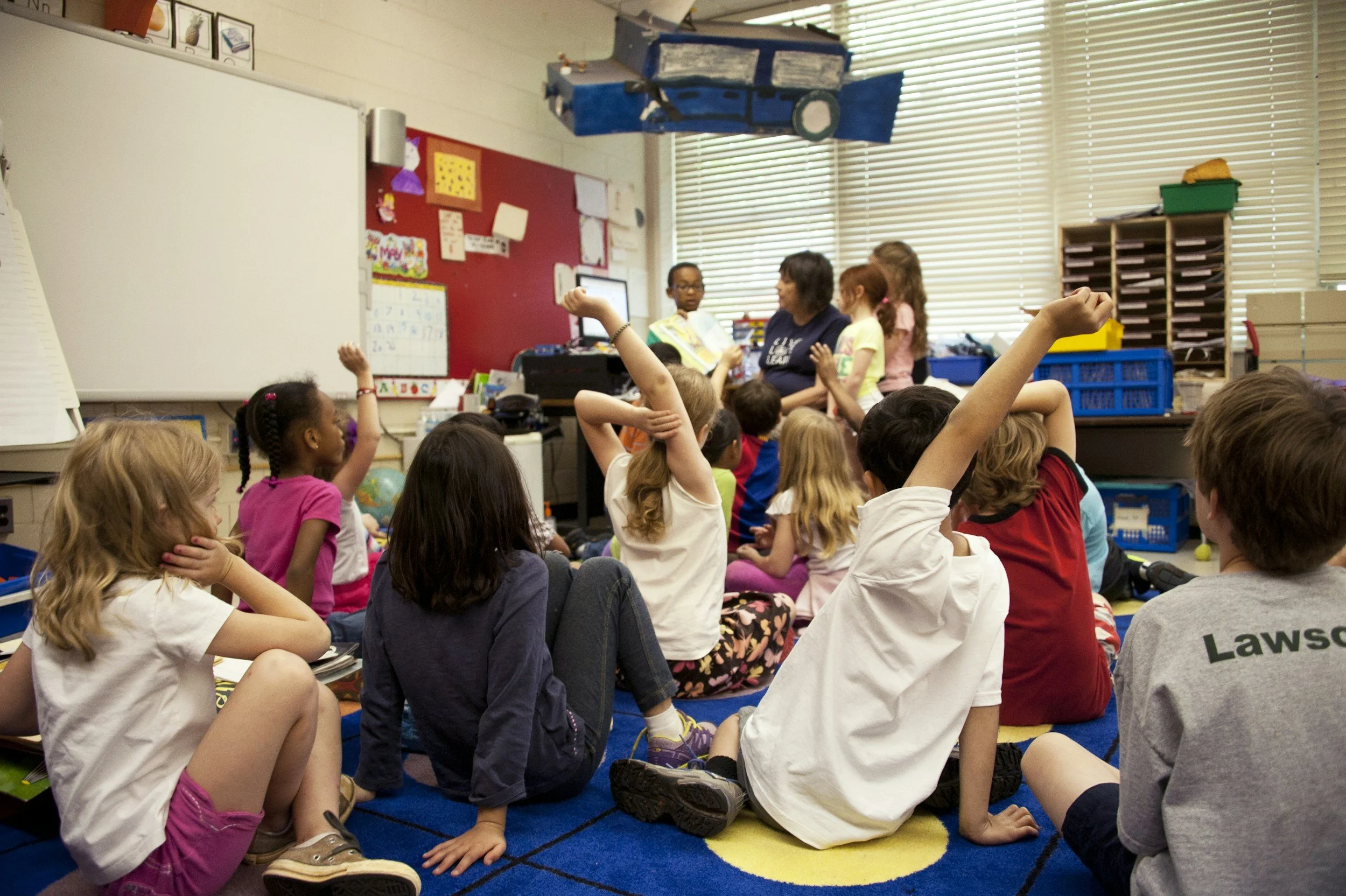
Public school pre-K: Programs run in public schools for 4-year-olds.
Center-based child care: Licensed child care centers.
Home-based child care: Family child care providers in the local Early Learning Coalition.
Children from public school pre-K earned higher grades and scored better on standardized tests than peers from home-based child care, and the gap held through adolescence. The researchers note that the sample includes the largest Hispanic population of any study of its kind.
Why teacher training may explain the pre-K advantage
All three settings met minimum standards. One difference stood out. FIU's release on the study explains that public school pre-K was the only setting that required teachers to hold a college degree. Co-author Charles Bleiker points to teacher training and early experience with classroom routines as likely reasons for the lasting advantage.
That lines up with a major review of pre-K research. In "Puzzling It Out," a group of leading researchers convened by the Brookings Institution found that pre-K consistently improves kindergarten readiness. The benefits were often larger for children from low-income families and children learning English. The quality ingredients they identified were skill-building curricula, ongoing coaching for teachers and well-organized, engaging classrooms.
What this pre-K study can and can't tell you
Read the findings with a few limits in mind:
It's observational: Families chose their settings, so the study shows a strong link and can't prove pre-K alone caused the difference.
It covers one county: Miami-Dade's programs may differ from NYC's, for example.
Several factors overlap: Teacher degrees can't be fully separated from other differences between programs.
Later school quality matters: The Brookings review notes that what happens before, during and after pre-K all shapes how long gains last.
Many family child care providers offer warm, responsive care, and plenty of families rely on them. This study's finding points to trained teachers and a structured learning environment as an added benefit that shows up over time.
What NYC parents should know about 3-K and Pre-K for All
New York City offers free, full-day programs for 3- and 4-year-olds. According to ACCESS NYC, Pre-K for All is open to every NYC child in the calendar year they turn 4. Programs run in public schools, Pre-K Centers and community-based organizations, and they use the same play-based curriculum. Children don't need to be toilet trained, and children with disabilities and children learning English can enroll.
Families apply for free, full-day 3-K in the year their child turns 3. Application windows open once a year, so check the city's pages early.
Cost is a real factor for most families. The 2026 National Parent Survey from New America found that among parents whose child care falls short of what they want, 54% name cost as the biggest barrier. Free public programs remove that barrier for many NYC families.
Questions to ask when you visit a 3-K or pre-K program
Whatever setting you're considering, quality is the thing to look for. Ask:
Teacher background: "What training do the lead teachers have, and how are they supported and coached?"
Daily rhythm: "What does a typical day look like, and how much of it is play?"
Feelings and behavior: "How do teachers help children who are upset or having a hard time?"
Family connection: "How do you share what my child is learning, and how can I be involved?"
For a side-by-side look at options, read our guide to public vs. private 3-K and pre-K in NYC.
Getting ready for 3-K and pre-K with Happy Day Play
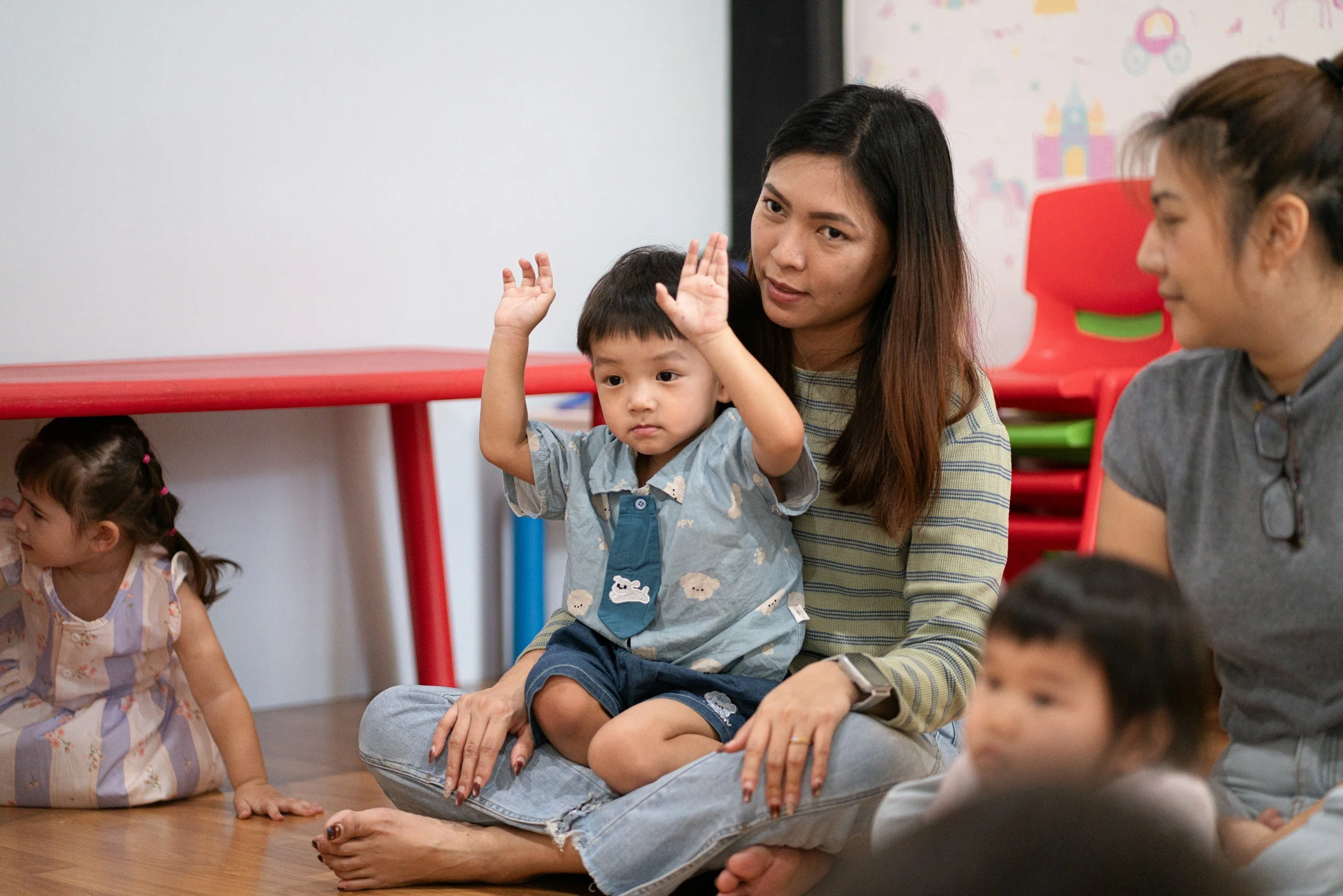
Children walk into 3-K and pre-K more confident when group routines, transitions and turn-taking already feel familiar. Our guide on how to prepare your child for 3-K in NYC covers the skills that help most. Happy Day Play's early learning programs offer young children play-based learning in a group setting alongside their favorite grown-up.
Key takeaways
- A 20-year study of about 400,000 Miami-Dade students found that children who attended public school pre-K earned higher grades and test scores than peers from home-based child care.
- The advantage lasted into high school, and researchers point to teacher training as a likely reason.
- The study is observational and covers one county, so it shows a strong link and can't prove cause.
- NYC's free 3-K and Pre-K for All programs use a shared play-based curriculum, and quality questions help when you visit.
Sources & further reading 6
- Mumma, Manfra, Bleiker, Dinehart, Hartman, Rabii, & Winsler. (2026). The influence of elementary school quality on differential long-term effects of preschool programs in third grade. Early Childhood Research Quarterly, 76, 157. Summary via ScienceDaily. Read the summary (DOI: 10.1016/j.ecresq.2026.03.004)
- Arean, M. M. (2026, Aug. 11). New 20-year study proves pre-K impacts a child's academic future. FIU News. Read the news release
- Phillips, D. A., Lipsey, M. W., Dodge, K. A., et al. (2017). Puzzling it out: The current state of scientific knowledge on pre-kindergarten effects. Brookings Institution. Read the report
- Silkowski, A., Bidwell, K., & Boland, A. C. (2026, May 27). What parents of young kids want: Insights from the 2026 National Parent Survey. New America. Read the report
- City of New York. Pre-K for All. ACCESS NYC. Read the program details
- New York City Public Schools. 3-K. NYC Public Schools. Read the enrollment page
About this article
Every article on Happy Day Play is written by Kaitlynn Blyth herself, then checked against our published standards before it goes live. You can read exactly how we research, verify, and fact-check our work, and how we use and limit AI, in the policies below.
Last fact-checked Oct. 8, 2026
Read More About Early Education