Playing With Your Preschooler Pays Off for Years, a New Study Finds
A randomized trial that followed families for eight years found that coaching parents in play, feelings talk and problem-solving during preschool led to stronger memory and social skills in seventh grade. Here's what those parents did and how to try it at home.
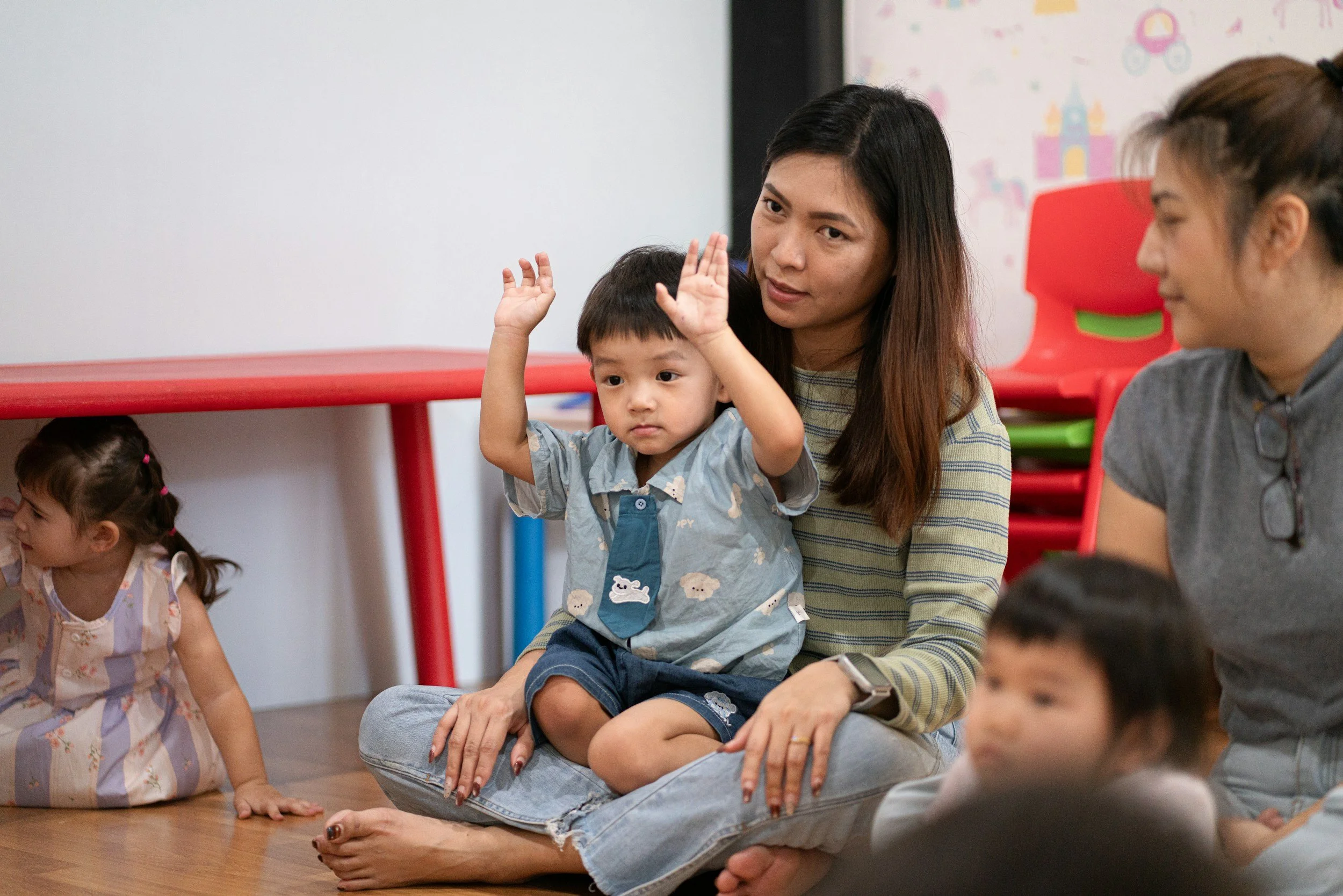
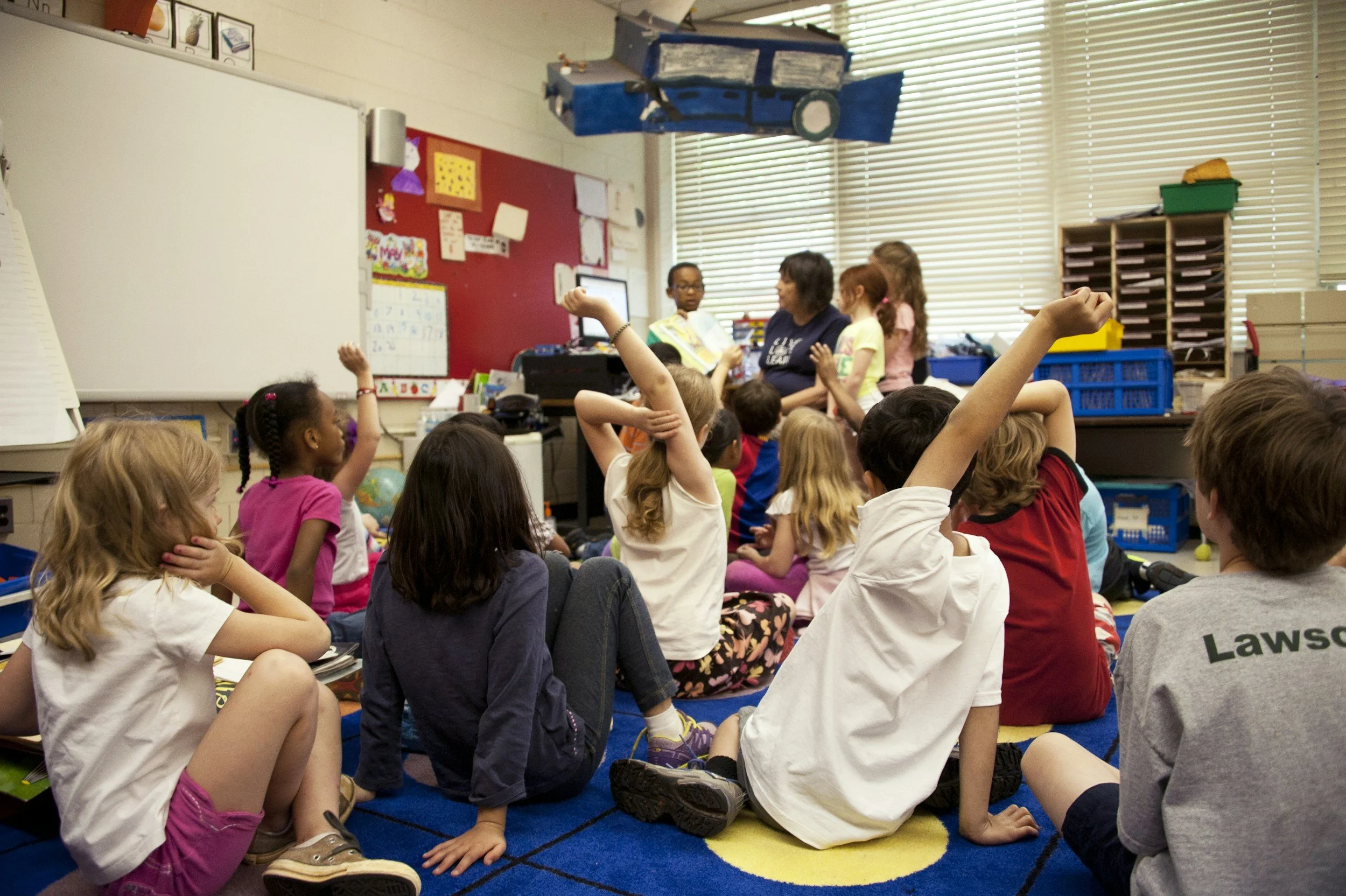
The study showed that in kindergarten, families saw gains in early literacy, academic performance, self-directed learning and social skills when using a home program called REDI-P.
Some days, playing pretend restaurant for the fourth time feels like the least productive thing you could be doing. A new study suggests it may be one of the most productive.
Researchers at Penn State followed 200 families for eight years and found that coaching parents in a handful of simple play and conversation habits during preschool led to measurable benefits when those children reached seventh grade. The habits are things any family can try, with books, games and a few minutes of focused time.
What the 8-year parent-child play study found
The study, published in 2026 in Development and Psychopathology, followed 4-year-olds enrolled in Head Start. Families were randomly assigned to one of two groups. Half received a home program called REDI-P, short for Research-based, Developmentally Informed Parent program. The other half received a comparison program.
By seventh grade, children whose families received REDI-P had:
Stronger working memory: They scored higher on memory tasks.
More social confidence: They felt more capable with peers.
Healthier friendships: They reported fewer friends who broke rules.
Fewer behavior problems: Teachers who didn't know which group a child was in rated fewer conduct problems.
The effects were modest, and reading scores weren't significantly different. Every child in the study also attended a Head Start classroom with an enriched curriculum, so the extra gains reflect the home program.
What parents in the study learned to do
Home visitors made about 16 visits across the spring of pre-K and the move into kindergarten. They brought kits with storybooks, pretend-play materials, card games and conversation games. As Earth.com's coverage describes, the kits were designed to work even for parents who find reading difficult.
An earlier REDI-P paper in Child Development details the specific skills parents practiced:
Interactive reading: Parents asked questions and had their child describe the pictures.
Guided pretend play: Families played scenes like "restaurant" together.
Emotion coaching: Parents named feelings and talked about them.
Calm-down practice: Children learned a "turtle" technique, pulling into their shell to take a breath.
Problem-solving out loud: Parents and children worked through small conflicts together.
Specific praise: Parents described exactly what their child did well.
In kindergarten, those families saw gains in early literacy, academic performance, self-directed learning and social skills.
Why play and conversation build lasting skills
The researchers found that early gains in self-control and social skills seemed to carry forward through later school years. That fits what Harvard's Center on the Developing Child calls serve and return. When a child starts an exchange and an adult responds, those back-and-forth moments help build the brain connections behind language and social skills.
The American Academy of Pediatrics reaches a similar conclusion in its clinical report "The Power of Play". It describes play as a way to build attention, self-control and problem-solving, and it encourages pediatricians to recommend play the way they'd recommend any other healthy habit.
This is where Family Life Education comes in. The child is only half of the picture. When grown-ups get practical support and simple tools, the whole family benefits.
How to try these play habits at home this week
You don't need a home visitor to start. Pick one or two of these and use them during play you already do:
Ask open-ended questions during reading: Try "What do you think happens next?" or "How is the bear feeling right now?"
Let your child lead pretend play: Ask, "Who should I be?" and follow the story they create.
Name feelings in the moment: Say, "You look frustrated that the blocks keep falling."
Solve problems out loud: Say, "We both want the red car. What could we do?" and wait for ideas.
Praise the effort specifically: Say, "You kept trying until the puzzle piece fit."
Ten focused minutes a day, with the phone in another room, is a realistic goal. Our article on feeling words has more ideas for emotion coaching.
Play together at Happy Day Play
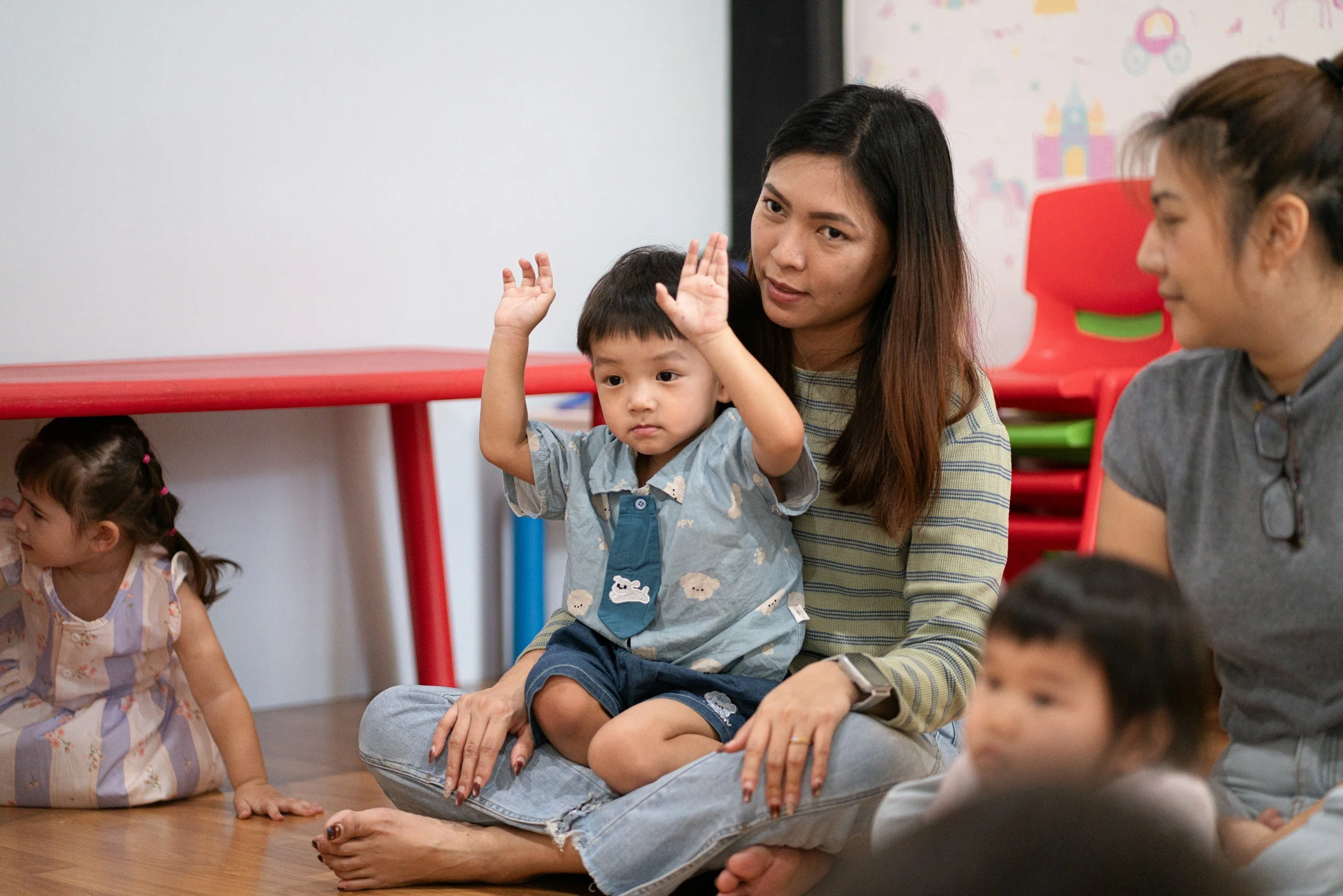
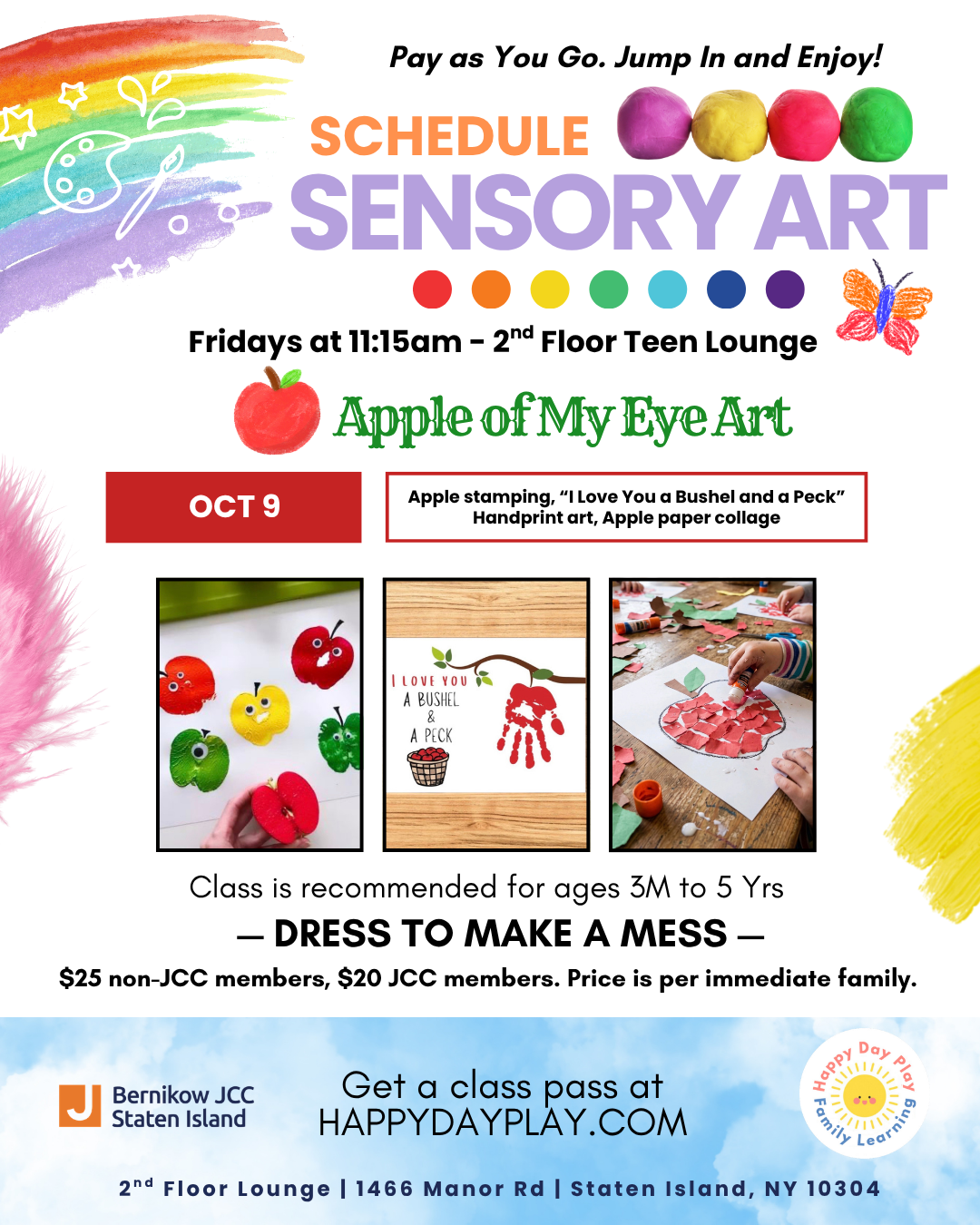
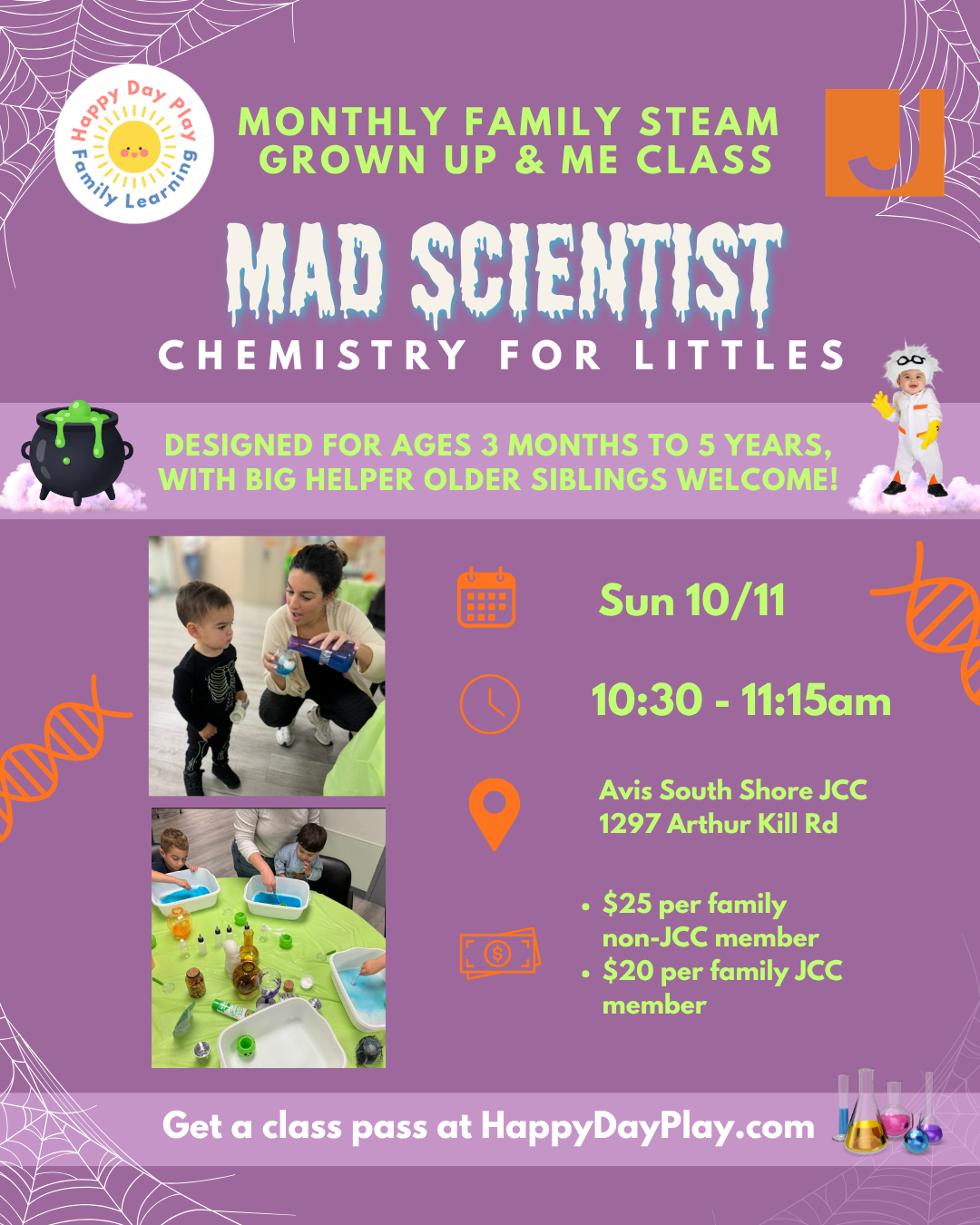
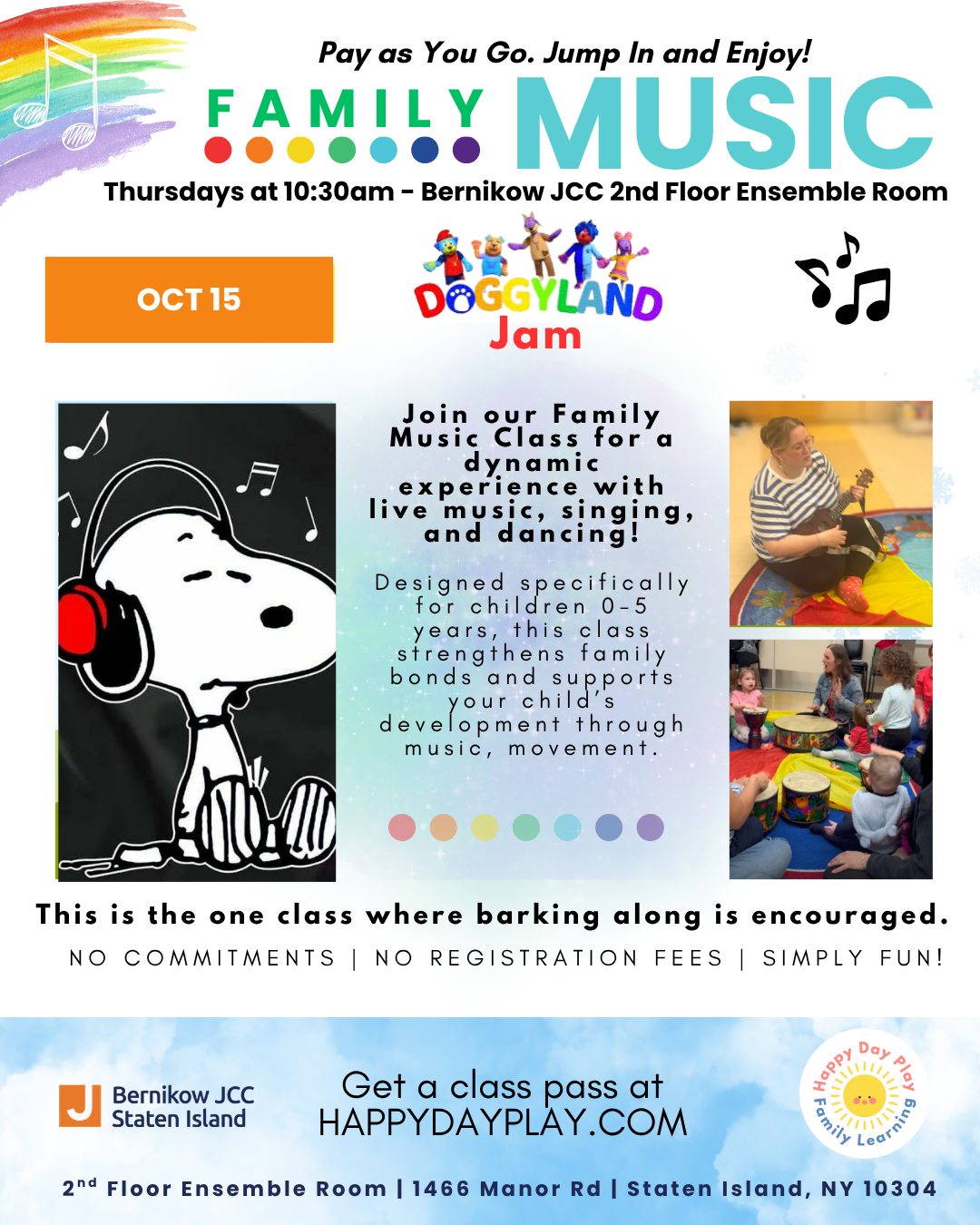
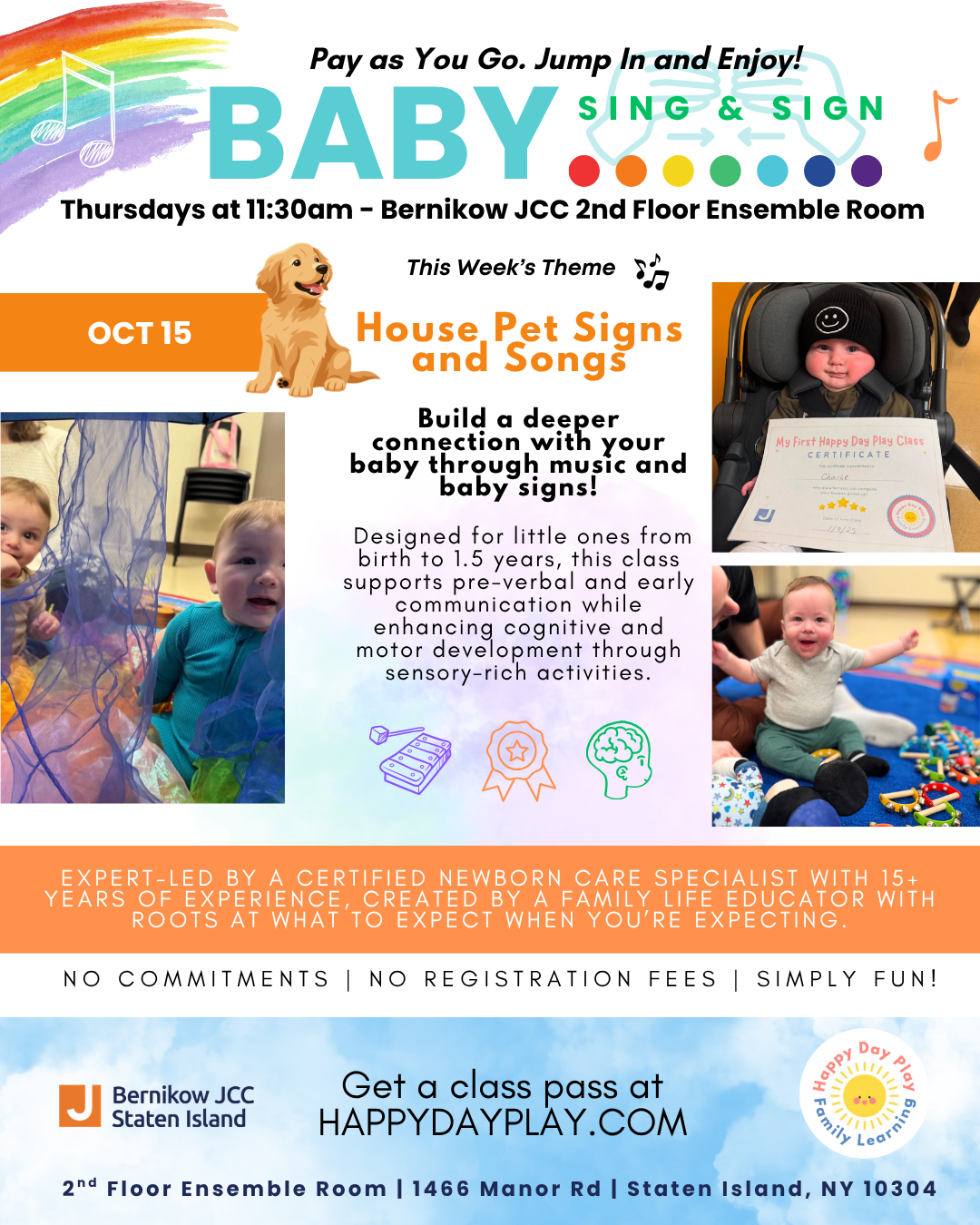
Our Grown-Up & Me classes are built on Family Life Education, so the grown-up is part of every activity. You'll leave with songs, games and ideas you can repeat at home. Walk-in classes are one price per family, with no commitment, and siblings are included. For more on the research behind learning through play, read why play-based learning works.
Key takeaways
- A randomized trial found that coaching parents in play and conversation during preschool led to stronger working memory and social skills in seventh grade.
- Parents practiced interactive reading, guided pretend play, emotion coaching, calm-down strategies and problem-solving out loud.
- The effects were modest but lasted eight years, and early self-control appeared to be a key pathway.
- Ten focused minutes of play a day using these habits is a realistic place to start.
Sources & further reading 5
- Bierman, K. L., Welsh, J. A., Heinrichs, B. S., & Jones, D. E. (2026). Preschool home visits promote adolescent adjustment: Follow-up of a randomized-controlled trial. Development and Psychopathology, 38(3), 1577-1588. Read the study
- Bierman, K. L., Welsh, J. A., Heinrichs, B. S., Nix, R. L., & Mathis, E. T. (2015). Helping Head Start parents promote their children's kindergarten adjustment: The Research-based Developmentally Informed Parent program. Child Development, 86(6), 1877-1891. Read the study
- Gajbhiye, S. (2026, June 12). Parent coaching in preschool helps children thrive years later. Earth.com. Read the article
- Yogman, M., Garner, A., Hutchinson, J., Hirsh-Pasek, K., Golinkoff, R. M., et al. (2018). The power of play: A pediatric role in enhancing development in young children. Pediatrics, 142(3), e20182058. Read the clinical report
- Center on the Developing Child at Harvard University. Serve and return. Harvard University. Read the key concept
About this article
Every article on Happy Day Play is written by Kaitlynn Blyth herself, then checked against our published standards before it goes live. You can read exactly how we research, verify, and fact-check our work, and how we use and limit AI, in the policies below.
Last fact-checked Oct. 8, 2026
Read More About Early Education