Kindergarten Readiness Skills: Why Teachers Say Self-Regulation Matters Most
Teachers say the most important skill for kindergarten is managing feelings and impulses. A Family Life Educator explains what school readiness looks like at ages 3 to 5 and how to build self-control through everyday play.
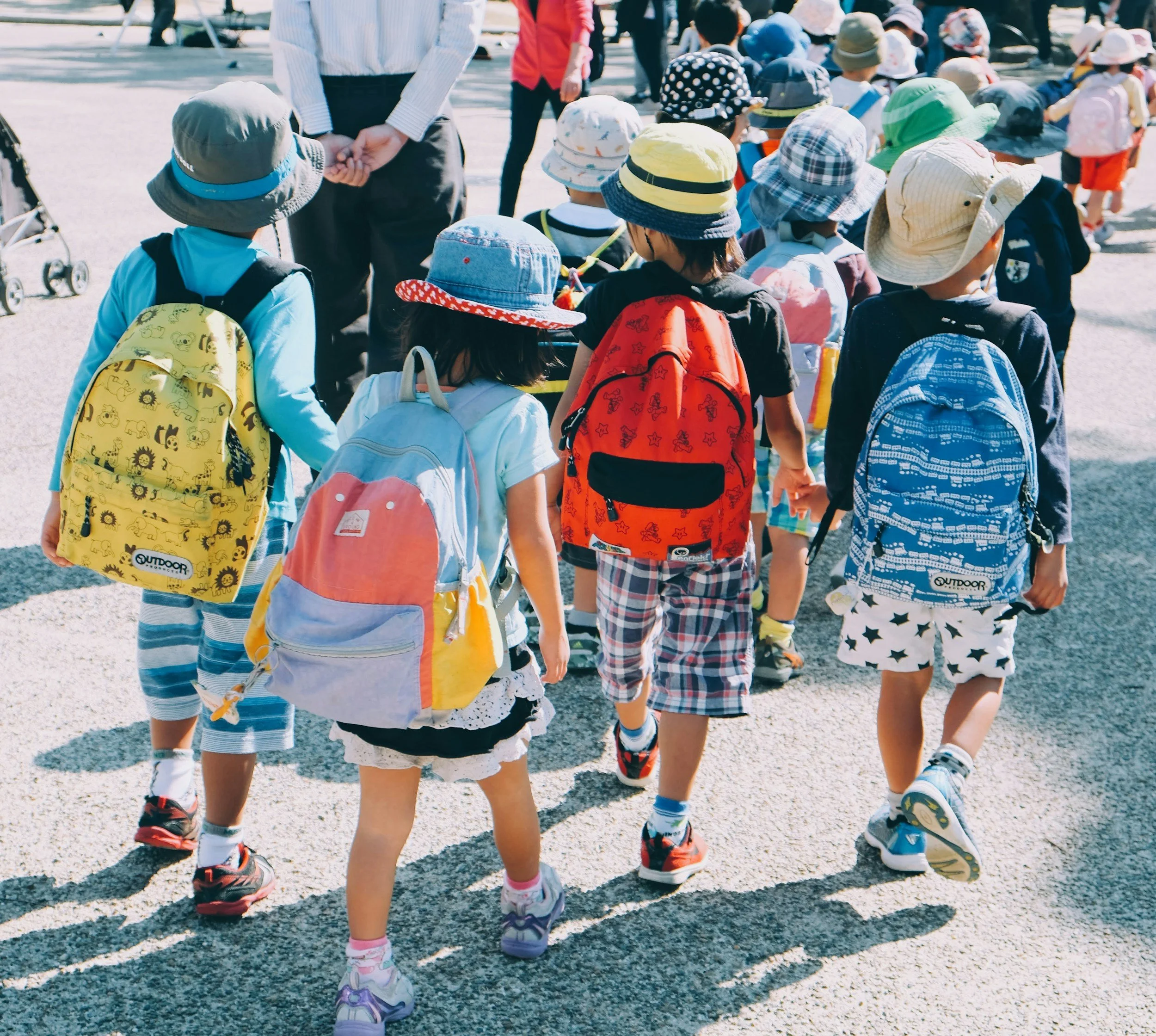
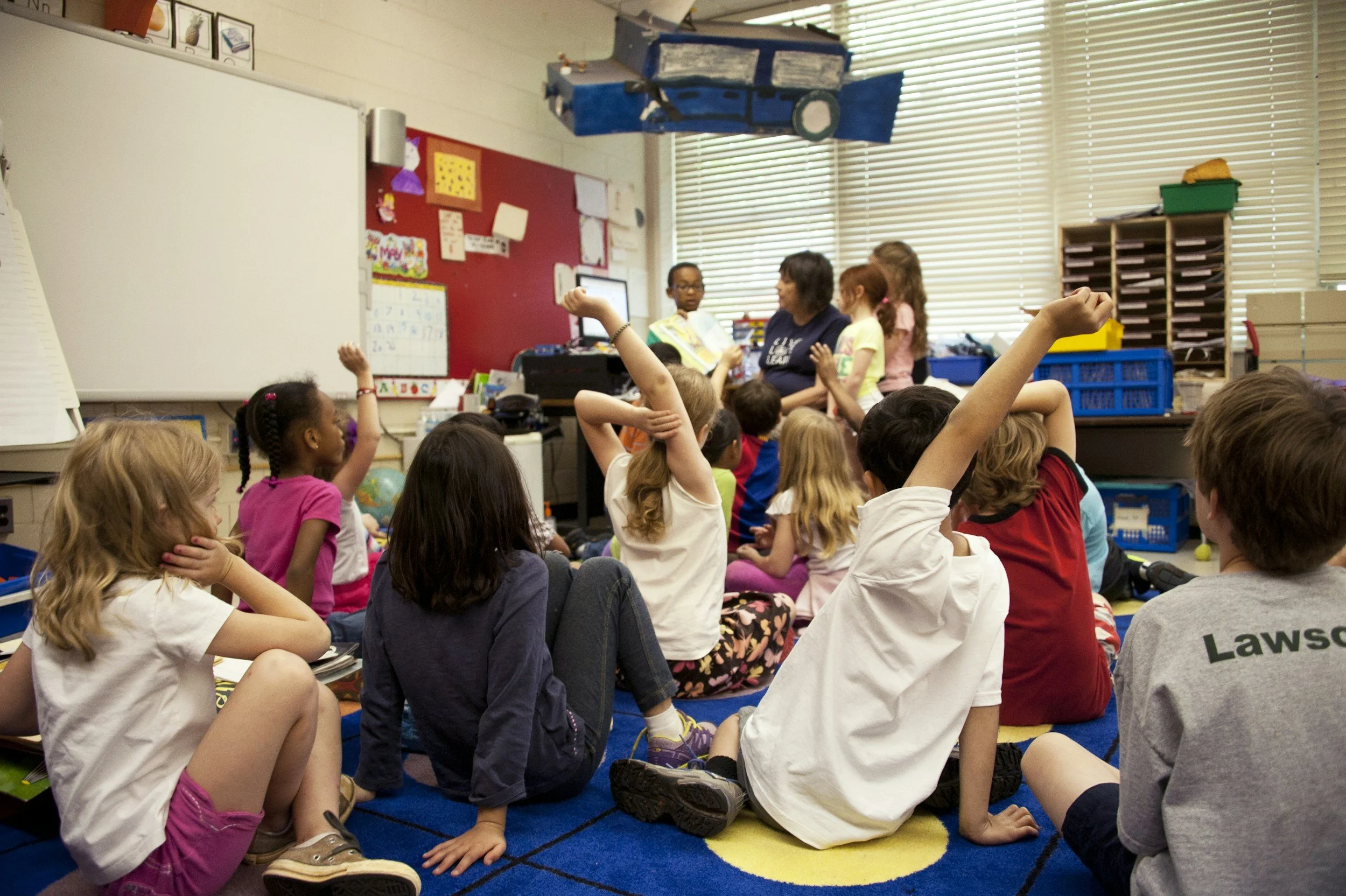
In a 2026 Education Week poll, teachers named emotional self-regulation as the skill that matters most for incoming kindergartners.
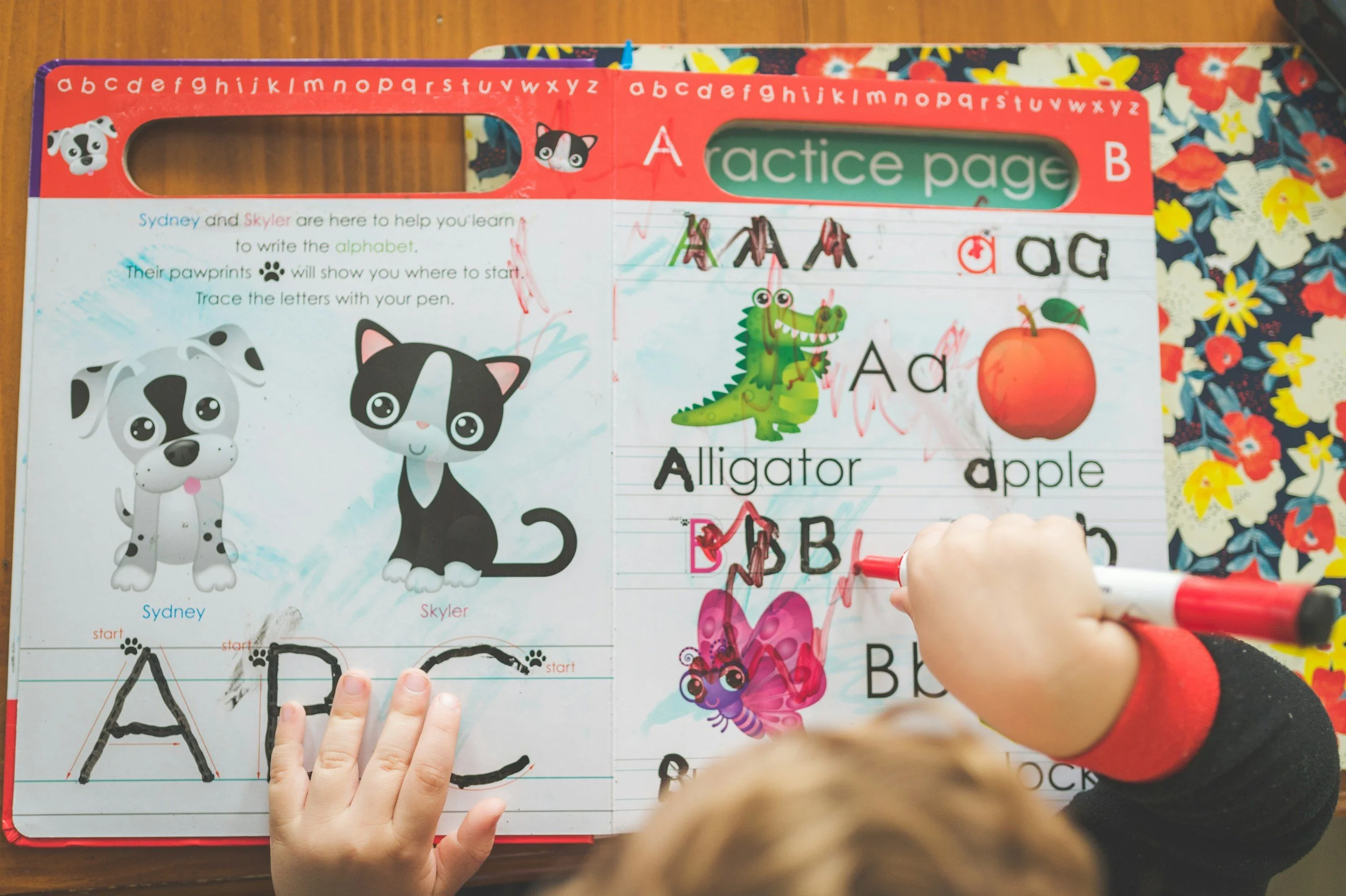
When parents think about kindergarten readiness, they often picture letters, numbers and writing a name. Teachers picture something else. They picture a 5-year-old who can hear "not right now," feel disappointed and keep going.
In a 2026 Education Week poll, teachers named emotional self-regulation as the skill that matters most for incoming kindergartners. The good news is that self-regulation grows through ordinary family life, and play is one of the best ways to practice it.
What kindergarten teachers say readiness really means
Education Week asked teachers which skills matter most for kindergarten readiness and received 574 responses. Emotional self-regulation came up most often. Teachers also named impulse control, taking turns, paying attention to tasks a child doesn't love, separating from caregivers and toilet training. Writing a name made the list, too, though it wasn't the headline.
The poll was informal, though a larger survey points the same way. In a January 2026 EdWeek Research Center survey of 1,163 early educators, 59% said student behavior had gotten worse over the past two years. Among preschool teachers, 49% said behavior interrupted their teaching several times a day.
The American Academy of Pediatrics' guide to kindergarten readiness lists the same kinds of skills, including managing impulses, communicating feelings, taking turns and following directions.
What self-regulation looks like at ages 3 to 5
Self-regulation is a child's growing ability to manage feelings, attention and actions. Harvard's Center on the Developing Child explains that every child is born with the capacity to build these skills, and they develop through practice and relationships.
Here's what typical progress looks like, according to the CDC's milestones for age 5:
Taking turns: A child follows rules or takes turns in games with other kids.
Staying with a task: A child pays attention for 5 to 10 minutes during an activity, and screen time doesn't count.
Helping out: A child does simple chores, such as matching socks or clearing the table.
A 3-year-old who melts down when the tower falls is right on track. A 4-year-old who can wait for a turn on the slide one day and can't the next is right on track, too. Self-regulation grows unevenly, and setbacks during big changes are normal.
Why self-regulation supports early learning
Self-control and academics work together. In a study of 208 children, researchers led by Megan McClelland used a simple game called Head-Toes-Knees-Shoulders, where children do the opposite of what they're told. In kindergarten, scores on that game were the only measure in the study that predicted growth in every academic area tested, with the strongest link to early math.
Researchers Clancy Blair and C. Cybele Raver describe self-regulation as a foundation for early literacy and math. A child who can sit with a hard puzzle, ask for help and try again is ready to learn letters and numbers in a classroom.
Games that build self-regulation at home
Harvard's Center on the Developing Child publishes executive function activities for 3- to 5-year-olds. Many of them are games you probably already play:
Freeze dance: Children stop and hold a pose when the music stops, which practices impulse control.
Fast and slow: Alternate very fast dancing with very slow dancing so your child has to shift gears on cue.
Pretend play with a plan: Before you play "doctor's office," decide together who will be the doctor and who will be the patient.
Sorting with a switch: Sort blocks by color, then change the rule and sort by shape.
Cooking together: Measuring, counting and waiting for the next step all build patience and memory.
Simon Says and Red Light, Green Light work the same muscles. Keep the games short and silly, and let your child win sometimes.
What to say when your child loses control
Children learn to calm down by being calmed by an adult first. When your child is upset, get low, keep your voice quiet and name what you see: "You're really mad that it's time to leave the park." Then offer a next step: "Let's take three big breaths together, then we'll pick one more slide or one more swing."
The CDC suggests setting up a calm-down spot at home and staying nearby while your child uses it. Building a vocabulary for emotions helps, too. Our article on feeling words shares simple ways to teach them.
Building readiness skills with Happy Day Play
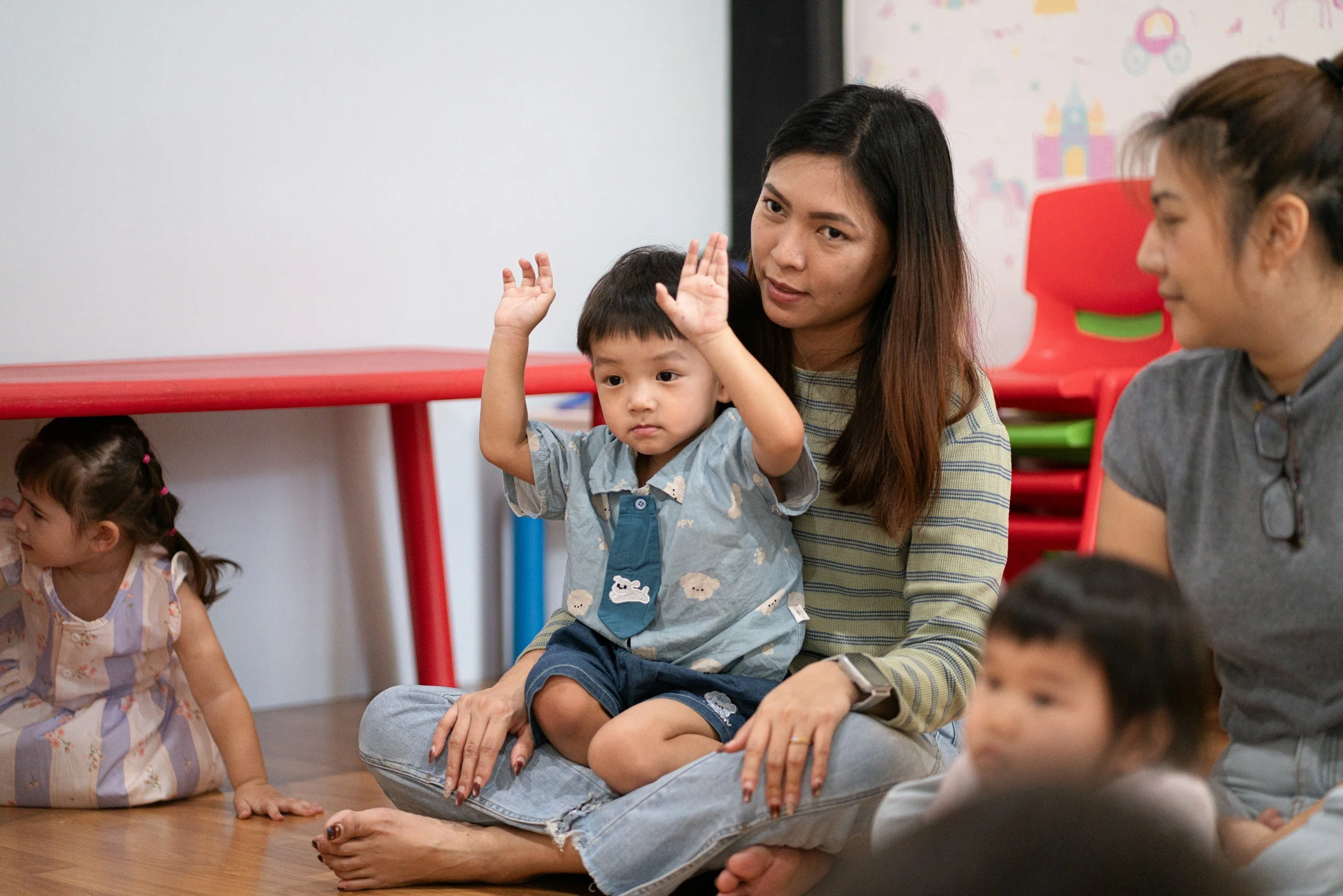
If your child is starting 3-K or pre-K first, our guide on how to prepare your child for 3-K in NYC covers the earliest steps. Our Grown-Up & Me classes give children regular practice with turn-taking, transitions and following a group routine, with a trusted grown-up right beside them. Walk-in classes are one price per family, with no commitment, and siblings are included.
Key takeaways
- In a 2026 Education Week poll, teachers named emotional self-regulation as the most important kindergarten readiness skill.
- Self-regulation includes managing feelings, waiting, taking turns and staying with a task for 5 to 10 minutes.
- Research links self-regulation in kindergarten to growth in reading and math.
- Everyday games like freeze dance, Simon Says and sorting with a rule switch build these skills at home.
Sources & further reading 7
- Heubeck, E. (2026, June 25). What teachers really want from kindergartners isn't academic. Education Week. Read the article
- American Academy of Pediatrics. (2025). Is your preschooler ready for kindergarten? HealthyChildren.org. Read the article
- Center on the Developing Child at Harvard University. Executive function and self-regulation. Harvard University. Read the key concept
- Center on the Developing Child at Harvard University. Executive function activities for 3- to 5-year-olds. Harvard University. Download the activities guide
- Centers for Disease Control and Prevention. Important milestones: Your child by five years. CDC. Read the milestones
- McClelland, M. M., Cameron, C. E., Duncan, R., Bowles, R. P., Acock, A. C., Miao, A., & Pratt, M. E. (2014). Predictors of early growth in academic achievement: The head-toes-knees-shoulders task. Frontiers in Psychology, 5, 599. Read the study
- Blair, C., & Raver, C. C. (2015). School readiness and self-regulation: A developmental psychobiological approach. Annual Review of Psychology, 66, 711-731. Read the review
About this article
Every article on Happy Day Play is written by Kaitlynn Blyth herself, then checked against our published standards before it goes live. You can read exactly how we research, verify, and fact-check our work, and how we use and limit AI, in the policies below.
Last fact-checked Oct. 8, 2026
Read More About Early Education