Outdoor Play and Your Preschooler's Mental Health: What a New Study Found
A study of more than 4,000 children links regular outdoor play at ages 2 to 4 to healthier emotions and behavior through age 8. Here's what the research shows and how to fit more outside time into a busy week.
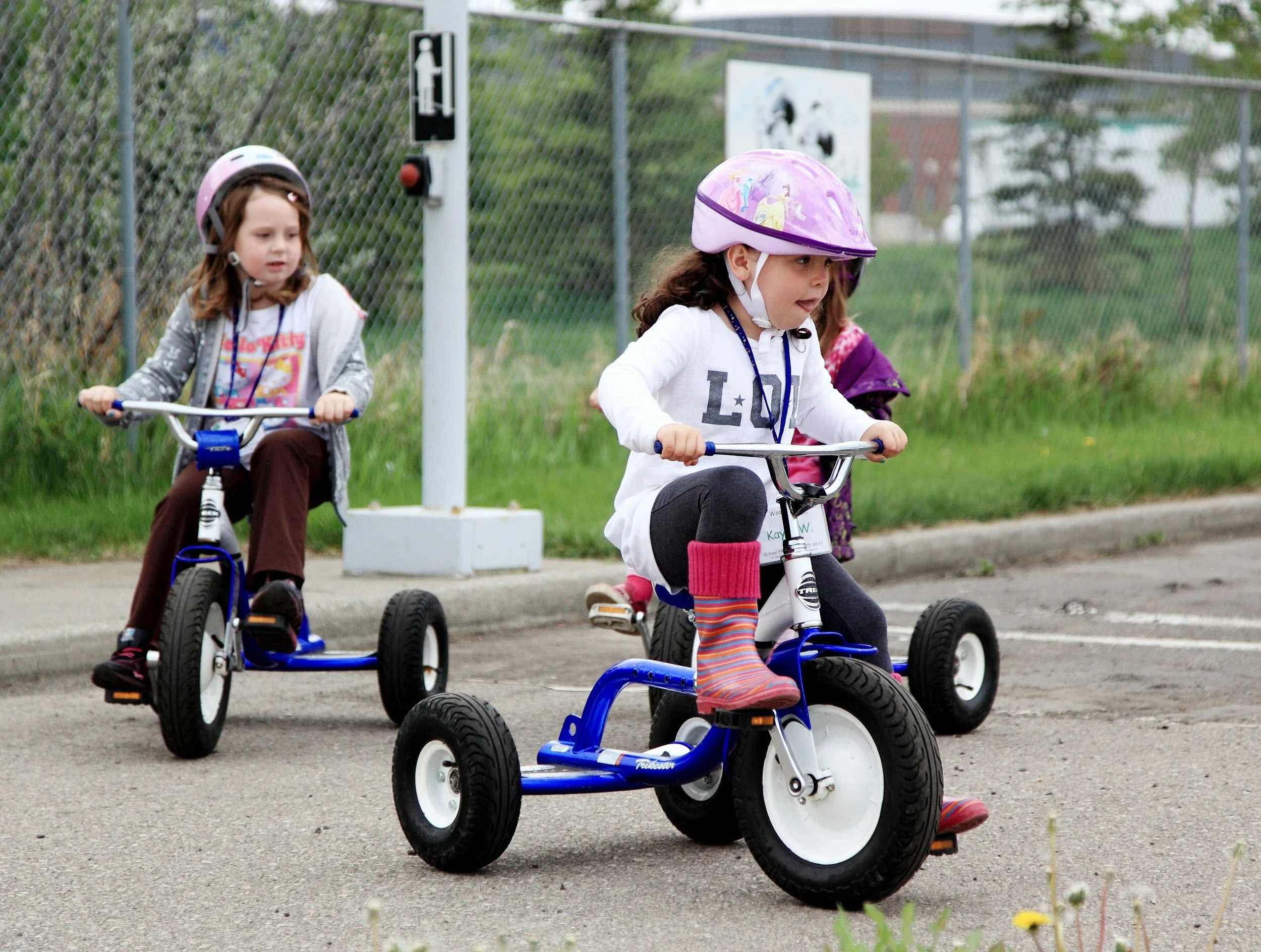
Each additional day of outdoor play in a typical week during the preschool years was linked to 6% to 14% higher odds of a healthier childhood profile at age 8.
Most parents already know the difference a trip to the playground makes. Your 3-year-old comes home muddy, hungry and somehow calmer after a visit. New research suggests that feeling adds up to something bigger over time.
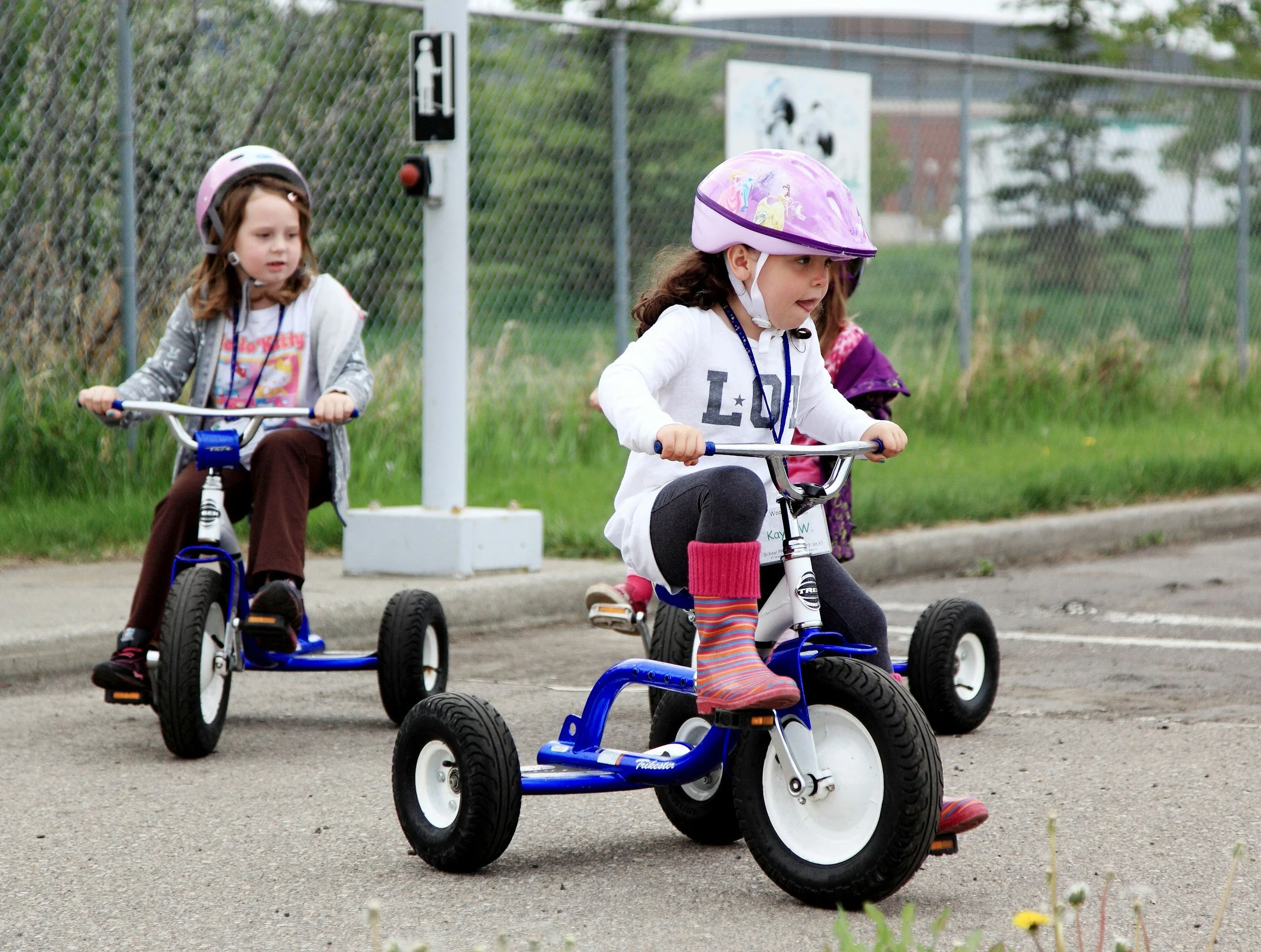
A 2026 study in the Journal of Child Psychology and Psychiatry followed more than 4,000 children and found that preschoolers who played outside more often were more likely to have healthy emotional and behavioral patterns all the way to age 8. The best part for busy parents is how simple the habit is. The study measured how many days a week children played outdoors, which means short, regular outside time counts.
What the 2026 outdoor play study found
Researchers led by the University of Exeter, with the University of Glasgow, University College London and Complutense University of Madrid, used data on 4,151 children from the Growing Up in Scotland study. Parents reported how often their child played outdoors at about ages 2, 3 and 4. The team then tracked the children's mental health symptoms at ages 4, 5, 6 and 8.
According to the University of Glasgow's summary of the study, each additional day of outdoor play in a typical week during the preschool years was linked to 6% to 14% higher odds of a healthier childhood profile at age 8. The researchers looked at both kinds of symptoms parents worry about:
Outward behavior: This includes aggression, impulsivity and hyperactivity.
Inward feelings: This includes anxiety and low mood.
The team accounted for factors that could skew the results, including household education, parents' work status and whether families lived within 10 minutes of a park or garden. The link held after those adjustments.
How to read outdoor play research as a parent
This was an observational study, so it shows a strong link and can't prove that outdoor play causes better mental health. Families who get outside often may share other habits that help, too. That's an honest limit, and it's also a reassuring one. Outdoor time works alongside everything else you're already doing, like reading together, keeping routines steady and responding warmly when your child is upset.
The finding also fits a large body of earlier work. The American Academy of Pediatrics' clinical report "The Power of Play" describes how play helps children regulate their stress response. In one study it cites, anxious 3- and 4-year-olds who played for 15 minutes had about half the anxiety of children who listened to a story instead.
Why outdoor play supports young children's emotional health
Outside is where young children move the most. The AAP's guidance on why playing outside matters notes that children play harder outdoors and links time in nature to lower stress, better focus and stronger motor development. The CDC adds that physical activity improves attention and memory and lowers the risk of depression in children.
From a Family Life Education lens, there's another piece. Outdoor play is often shared play. A walk to the corner park gives you and your child unhurried time together, with fewer screens and fewer household distractions pulling at you. Those relaxed, back-and-forth moments are part of what helps a young child feel safe and settled.
Easy ways to add outdoor play to your week
The study counted days, so frequent short trips are the goal. Twenty minutes outside on a Tuesday matters. Here are simple ways to build the habit:
Attach it to something you already do: Walk the long way home from day care or stop at a playground on the way back from errands.
Give your child a job: The AAP suggests small outdoor tasks for preschoolers, like watering flowers or collecting leaves for a nature sculpture.
Dress for the weather: A rain jacket and boots turn a gray day into puddle-jumping practice.
Make it social: Meet a friend at the park and let the kids run while the grown-ups talk.
Bring play outside: Chalk, bubbles and a ball turn any sidewalk into a play space.
If your child resists leaving the house, try giving a clear choice: "Do you want to go to the swings or the slide first?" A choice between two outdoor options gets you out the door faster than a debate about going at all.
Outdoor play ideas for apartment and city families
You don't need a backyard to make this work. City children can get plenty of outdoor play from stoops, sidewalks, school yards and pocket parks. If you're on Staten Island, our guide to free outdoor activities for children on Staten Island lists places you can try this week.
Colder months make the habit harder, so plan ahead. Short bursts of 10 to 15 minutes still count, and bundling up for a quick walk before dinner can reset the whole evening. On days when the weather truly won't cooperate, active indoor play keeps bodies moving until you can get back outside.
Play together with Happy Day Play
Movement and play are at the center of every Happy Day Play class. Our Grown-Up & Me classes mix music, movement and sensory play for babies, toddlers and preschoolers with the grown-ups who love them. Our walk-in classes are one price per family, with no commitment, and siblings are included. Pair a class with a stop at the park afterward and you've covered two good habits in one morning. You can also read more about why play-based learning works.
Key takeaways
- A 2026 study of 4,151 children linked more frequent outdoor play at ages 2 to 4 to healthier emotional and behavioral patterns through age 8.
- Each extra day of outdoor play in a typical week was tied to 6% to 14% higher odds of a healthy mental health profile at age 8.
- The study shows a link and can't prove cause, and it fits earlier AAP research on play and stress.
- Short, frequent outdoor time counts, so a 20-minute stop at the park on a weekday matters.
Sources & further reading 5
- Dodd, H. F., Cordwell, K., Hesketh, K., Johnstone, A., de la Torre-Luque, A., & McCrorie, P. (2026). Early outdoor play predicts trajectories of child mental health in a population-based cohort. Journal of Child Psychology and Psychiatry. University of Glasgow repository record (DOI: 10.1111/jcpp.70175)
- University of Glasgow. (2026, June 8). More outdoor play during preschool years linked to better mental health later in childhood. University of Glasgow News. Read the news release
- Yogman, M., Garner, A., Hutchinson, J., Hirsh-Pasek, K., Golinkoff, R. M., et al. (2018). The power of play: A pediatric role in enhancing development in young children. Pediatrics, 142(3), e20182058. Read the clinical report
- Glassy, D., & Tandon, P. (2026). Playing outside: Why it's important for kids. HealthyChildren.org, American Academy of Pediatrics. Read the article
- Centers for Disease Control and Prevention. (2026). Health benefits of physical activity for children. CDC. Read the guidance
About this article
Every article on Happy Day Play is written by Kaitlynn Blyth herself, then checked against our published standards before it goes live. You can read exactly how we research, verify, and fact-check our work, and how we use and limit AI, in the policies below.
Last fact-checked June 9, 2026
Read More About Social Emotional Learning