What Is Uninvolved Parenting? What It Usually Drives It and How to Fix It
Uninvolved parenting is low on warmth and low on structure, often the result of stress, depletion or hard circumstances rather than indifference. Here's what it looks like and how the research frames its effects.
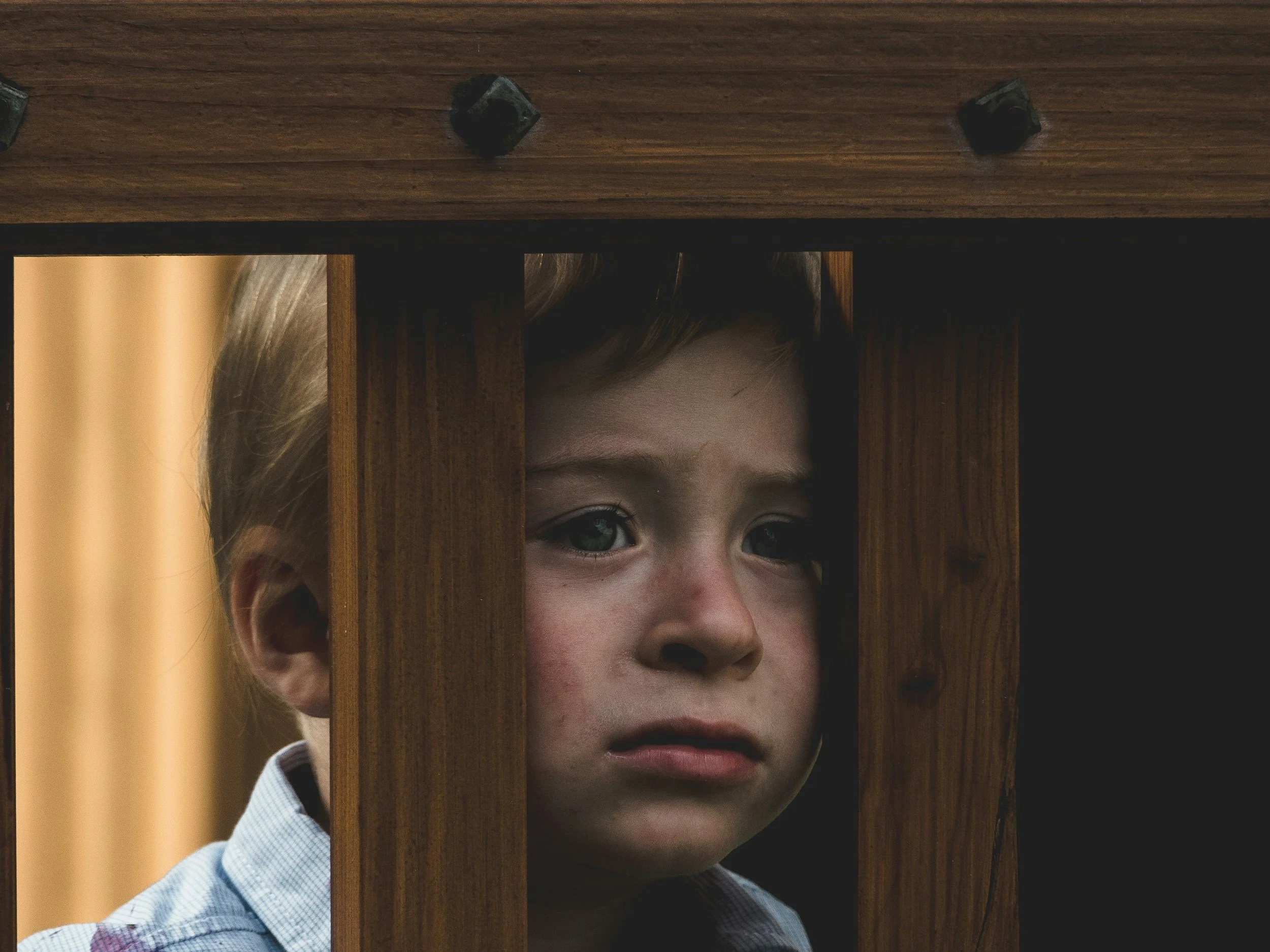
Uninvolved parenting is usually the result of hard circumstances rather than a lack of caring.
Uninvolved parenting is low on warmth and low on structure. A child's basic needs get met, and emotional connection and guidance stay thin. It's the fourth of the research-based parenting styles, added by Eleanor Maccoby and John Martin to Baumrind's original three. Reading that definition can sting, so here's the context up front: this pattern is usually the result of hard circumstances rather than a lack of caring.
What uninvolved parenting looks like day to day
In practice, it looks like a home where the logistics happen and the connection doesn't. Meals appear, laundry gets done, and the questions about a child's day, the lingering at bedtime, the curiosity about their inner world quietly go missing. A parent can be physically present and emotionally somewhere else entirely, whether scrolling, working or simply depleted past the point of engaging.
What usually drives uninvolved parenting
At the clinical end, this style overlaps with neglect, where a child's emotional or physical needs go unmet. Most of the time, though, disengagement has a cause that deserves compassion.
Parental depletion and burnout: running on empty for long enough makes warmth feel impossible to summon.
Mental health struggles: depression in particular can flatten a parent's ability to connect, even when the love is fully there.
Hard circumstances: long work hours, financial stress and single parenting without backup all pull a parent's attention away from connection.
A missing village: parenting without support quietly erodes the energy that connection takes.
As a caveat, this is not to say that parents who experience burnout, mental health struggles, hard circumstances or a missing village are uninvolved parents, as these circumstances are quite common. It’s when those experiences affect the parent to the point of no longer being able to meet their child’s basic needs that it gets qualified as uninvolved parenting.
How uninvolved parenting compares to the other styles
Uninvolved parenting differs from the other three on both dials at once. Permissive parents are low on structure and high on warmth. Authoritarian parents are low on warmth and high on structure. Authoritative parents are high on both. Uninvolved parenting is the one where both run low, which you can see mapped in our guide to the four parenting styles.
What the research says about uninvolved parenting
Research ties uninvolved parenting to the hardest outcomes across the board, including struggles with self-esteem, emotional regulation, school and relationships. The encouraging part is that these trajectories can change. Children are remarkably responsive to renewed connection, and small, consistent moments of warmth can begin to shift the picture.
How to shift away from uninvolved parenting
The research point that these patterns can change becomes real through small, repeatable moves, and the order matters. Support the grown-up first, rebuild the warmth, then layer the structure back in.
Refill your own cup first: connection runs on energy a depleted parent doesn't have, so rest, mental health care and a hand with the logistics come before any technique.
Protect a few minutes a day: set aside even five minutes of distraction-free, child-led time at the same point each day, follow your child's lead and leave the phone in another room.
Lead with warmth before limits: notice, narrate and show real interest in your child's world first, because a child takes structure more easily once they feel connected.
Rebuild routines one at a time: a single steady bedtime step or a daily check-in restores the structure half gradually, with no overhaul required.
Get curious out loud: ask about their day, hold onto the details and follow up tomorrow, which shows a child you're paying attention.
Lean on your village: a second adult, a class or a community group spreads the load so connection stops feeling like one more impossible task.
Reach out for professional help when you need it: if depression, trauma or a child's unmet needs are part of the picture, a family therapist or your pediatrician is the right next step, and asking is a strength.
Progress here is measured in small, repeated moments, and a child usually meets renewed warmth faster than a parent expects.
The Family Life Education take
Family Life Education looks at the whole family system, and that view is especially kind here. A parent can't pour connection from an empty cup, so the first move is usually to get the grown-up some support: rest, mental health care, a hand with the logistics, a community to lean on. A child borrows calm and warmth from a steady adult through co-regulation, and a depleted adult has little to lend. Rebuilding starts small, with one daily moment of real attention, then another.
If you see yourself here, please read it as a starting point. The fact that you're reading this at all is a sign of caring. At Happy Day Play, the village piece matters as much as anything we teach, because connection gets easier when a parent feels held too.
If you'd like a warm, low-pressure place to reconnect alongside your child, Happy Day Play's Grown-Up & Me classes are walk-in, one price per family, with no commitment.
Key takeaways
- Uninvolved parenting is low on both warmth and structure, with basic needs met but connection and guidance thin.
- It's usually driven by depletion, mental health struggles, hard circumstances or a missing support system rather than a lack of caring.
- At its clinical extreme it overlaps with neglect, and research links it to the hardest outcomes for kids.
- Children respond strongly to renewed connection, and rebuilding starts with getting the grown-up some support.
Sources & further reading 4
- Iowa State University Digital Press. (2020). Baumrind's parenting styles. Parenting and Family Diversity Issues. iastate.pressbooks.pub
- UCLA Center for Mental Health in Schools. Authoritarian vs. authoritative parenting. School Mental Health Project. smhp.psych.ucla.edu
- ZERO TO THREE. Your calm is their calm: co-regulation strategies for infants and toddlers. ZERO TO THREE. zerotothree.org
- Centers for Disease Control and Prevention. Essentials for Parenting Toddlers and Preschoolers. CDC. cdc.gov
About this article
Every article on Happy Day Play is written by Kaitlynn Blyth herself, then checked against our published standards before it goes live. You can read exactly how we research, verify, and fact-check our work, and how we use and limit AI, in the policies below.
Last fact-checked June 15, 2026
Read More About Parenting