What Is Permissive Parenting? Signs, Effects and Examples
Permissive parenting is high on warmth and low on structure, the loving parent who struggles to hold a limit. Here's what it looks like, how it differs from gentle parenting and what the research says.
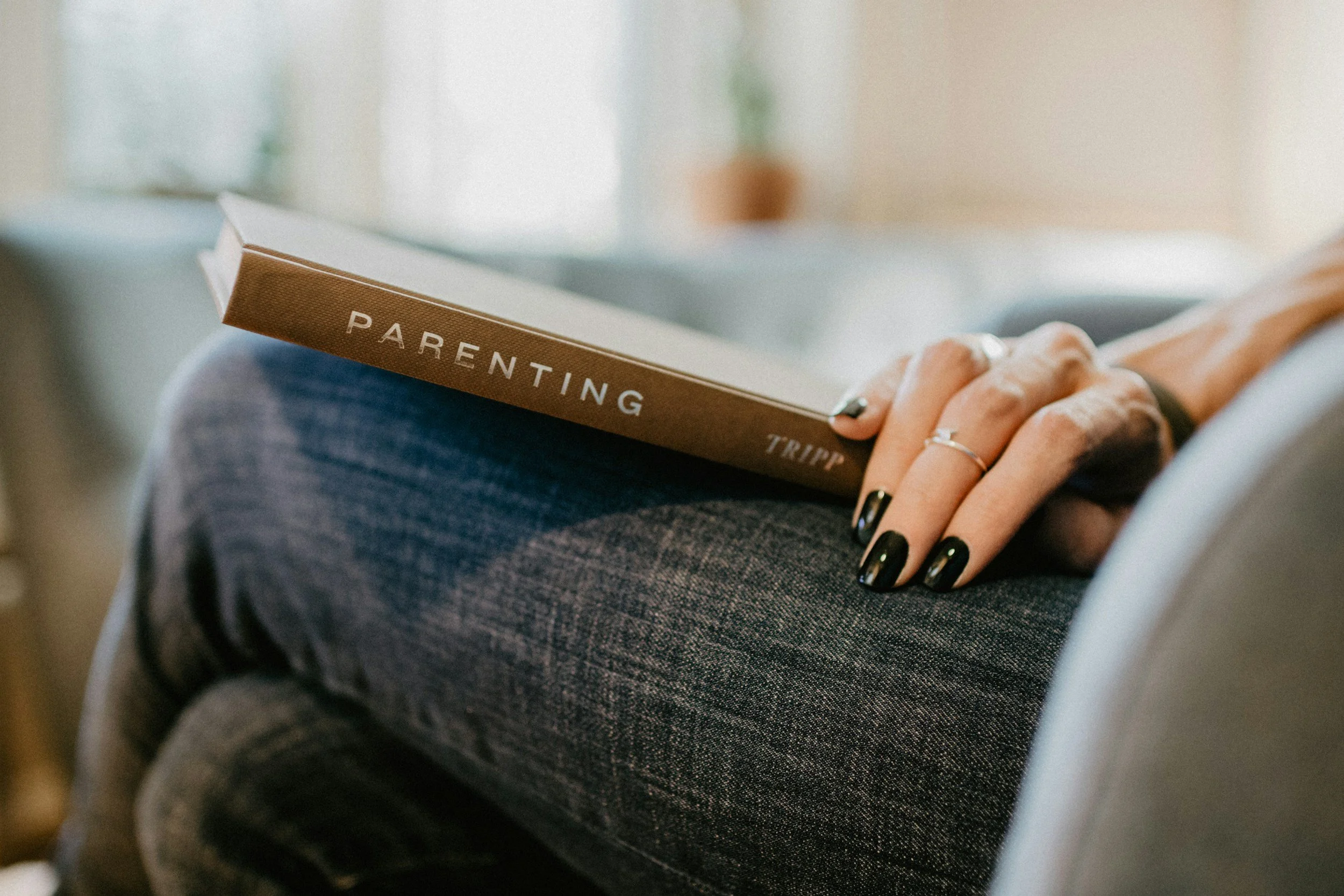
Permissive parenting is high on warmth, but low on structure and boundaries.
Permissive parenting is high on warmth and low on structure. The love is abundant and the limits are scarce. A permissive parent tends to slide into the role of a friend, saying yes to keep the peace and to avoid the upset that a "no" might bring. It's one of the four research-based parenting styles from Baumrind and the Maccoby and Martin grid, sitting in the warm, low-structure corner.
What permissive parenting looks like day to day
Take the example of your toddler wanting a blue cup, but it’s in the dishwasher and they’re upset. The permissive response is to find it, wash it on the spot and hand it over to stop the tears, even when that means the routine goes out the window. Permissive homes are warm and fun, and they often run short on follow-through. Bedtimes drift, screen limits bend, and a firm answer softens the moment a child pushes.
A small, warm-and-firm script can hold here: "I love you, and the answer is still no for tonight. We can put it on the list for tomorrow." The affection stays, and the limit holds.
Approaches that get mislabeled as permissive
Two popular approaches get filed under permissive by mistake, and the distinction matters:
Gentle parenting: gentle parenting gets called permissive all the time, and its founder, Sarah Ockwell-Smith, is clear that boundaries are part of it. The difference is the limit: a gentle parent holds the boundary with empathy, and a permissive parent lets it go. When gentle parenting keeps its boundaries, it sits in the authoritative zone.
Free-range parenting: free-range parenting grants kids real independence on purpose, which is a deliberate structure of its own. Permissive parenting lacks limits, while free-range parenting chooses where to place them. The two can look similar from the outside and come from opposite intentions.
How permissive parenting compares to the other styles
Permissive and authoritative parenting share the warmth, and they split on structure: an authoritative parent pairs the love with consistent limits, and a permissive parent leads with love and lets the limits slide. Permissive parenting also differs from uninvolved parenting, where the warmth itself is missing. See the full picture in our guide to the four parenting styles.
What the research says about permissive parenting
Kids raised permissively usually feel deeply loved, and they often struggle with self-control, following rules and hearing "no" once they're out in the world. Limits, it turns out, are part of how children feel safe. A predictable boundary tells a child that the adult is steering, which is a relief to a small person who can't yet steer themselves.
The Family Life Education take on permissive parenting
If the limits are the hard part for you, the love is clearly already there. What's hard is holding a boundary through a child's upset, and that takes a steady adult, which is tough to be when their tears feel unbearable. A child borrows calm from you before they can make their own, which is co-regulation, and it runs both ways. Your calm makes the limit holdable, and the held limit teaches the child they're safe.
You can keep every bit of the warmth. You add the boundary, and you stay regulated enough to ride out the protest that follows. In Happy Day Play's Grown-Up & Me classes, the warmest parents often grow the most by practicing one small, kept limit at a time.
If you'd like to practice holding limits while keeping the warmth, Happy Day Play's Grown-Up & Me classes are walk-in, one price per family, with no commitment.
Key takeaways
- Permissive parenting is high on warmth and low on structure, with plenty of love and few consistent limits.
- Kids raised this way feel loved and often struggle with self-control and hearing 'no' outside the home.
- Gentle parenting and free-range parenting get mislabeled as permissive, and both actually include intentional limits.
- Limits are a form of love, and holding them calmly starts with the parent's own regulation.
Sources & further reading 5
- Iowa State University Digital Press. (2020). Baumrind's parenting styles. Parenting and Family Diversity Issues. iastate.pressbooks.pub
- UCLA Center for Mental Health in Schools. Authoritarian vs. authoritative parenting. School Mental Health Project. smhp.psych.ucla.edu
- Macalester College. (2024). Psychology professor's research offers first look at popular 'gentle parenting' movement. Macalester News. macalester.edu
- The Conversation. From tiger to free-range parents: what research says about pros and cons of popular parenting styles. The Conversation. theconversation.com
- ZERO TO THREE. Your calm is their calm: co-regulation strategies for infants and toddlers. ZERO TO THREE. zerotothree.org
About this article
Every article on Happy Day Play is written by Kaitlynn Blyth herself, then checked against our published standards before it goes live. You can read exactly how we research, verify, and fact-check our work, and how we use and limit AI, in the policies below.
Last fact-checked June 15, 2026
Read More About Parenting