What Is Authoritative Parenting? Why It May Work Best for Your Family
Authoritative parenting blends high warmth with clear limits, and decades of research tie it to the strongest outcomes for kids. Here's what it looks like, what falls under it and how to actually do it.

Authoritative parenting style means a highly warm parent with high structure.
If you've landed here after reading that authoritative parenting is the one researchers favor, you're in the right place, and you're probably wondering what it actually asks of you as a parent. Authoritative parenting is the blend of high warmth and high structure. You stay responsive to your child's feelings and needs, and you hold clear, consistent limits with reasons behind them.
It's one of the main four research-based parenting styles, first described by developmental psychologist Diana Baumrind and later mapped by Eleanor Maccoby and John Martin onto two dimensions: how warm a parent is, and how much structure they bring. Authoritative parenting sits in the corner where both run high.
What authoritative parenting looks like day to day
Your 3-year-old is melting down because the blue cup is in the dishwasher. The authoritative parent gets down low, names the feeling and still holds the line: "You really wanted the blue cup. That's so disappointing. The blue cup is dirty tonight, so it's the green one or the red one. You pick." The limit doesn't move, and the child feels understood while it holds.
Day to day, it looks like offering choices inside a boundary, explaining the why in a sentence a child can follow, and following through calmly even when there are tears. The warmth and the boundary arrive together, in the same breath. You can be kind and firm at once, and that combination is the heart of the style.
Approaches that fall under authoritative parenting
A lot of the parenting approaches filling your feed are really authoritative parenting wearing a particular outfit. Here are the big ones that live under this umbrella:
Gentle (respectful) parenting: coined by British author Sarah Ockwell-Smith, it leans on empathy, respect, understanding and boundaries. Done as intended, with the boundaries kept, it's authoritative parenting in a softer vocabulary. The research on it is still young, so hold the label loosely and the limits firmly.
Attachment parenting: William and Martha Sears built it around warmth-forward practices like babywearing and feeding on cue. When it keeps both the warmth and clear limits, it lands in the authoritative zone. One caution: the name borrows from attachment theory, and a secure bond grows from sensitive, responsive care over time, which any loving caregiver can offer without a specific checklist.
Triple P (Positive Parenting Program): developed by Professor Matt Sanders at the University of Queensland, it essentially teaches authoritative skills and is backed by more than 180 randomized controlled trials.
Free-range parenting: journalist Lenore Skenazy's push for age-appropriate independence is the autonomy-forward cousin, pairing warmth with structure of a different kind, namely room to try, fail and try again.
How authoritative parenting compares to the other styles
Set authoritative parenting next to the other three and the difference is mostly about which dial gets turned down. Authoritarian parents keep the structure high and turn the warmth down. Permissive parents keep the warmth and turn the structure down. Uninvolved parents turn both down. Authoritative parenting keeps both dials up, and you can see the full map in our guide to the four parenting styles.
What the research says about authoritative parenting
Across decades of studies, authoritative parenting is tied to the strongest outcomes: higher self-esteem, stronger social skills and better school performance than the other three styles. The two ingredients do different jobs. Warmth builds emotional security and a child's willingness to come to you. Structure builds self-regulation and the ability to handle limits out in the world. Held together, they give a child both a soft place to land and a clear sense of how things work.
One honest caveat: culture, temperament and circumstance all shape how a style lands, and much of this research skews Western. The broad pattern holds up well even so. Children tend to thrive when they feel both deeply loved and clearly guided.
The Family Life Education take on authoritative parenting
Here's the part the research summaries skip: Every authoritative script in the world depends on the state you're in when you deliver it. A child borrows calm from a steady adult before they can produce it on their own, which is the heart of co-regulation. On no sleep with a short fuse, "you're frustrated and I'm right here" comes out clipped and cold, and the warmth half quietly drops away. The grown-up's own regulation is what carries the style into the room.
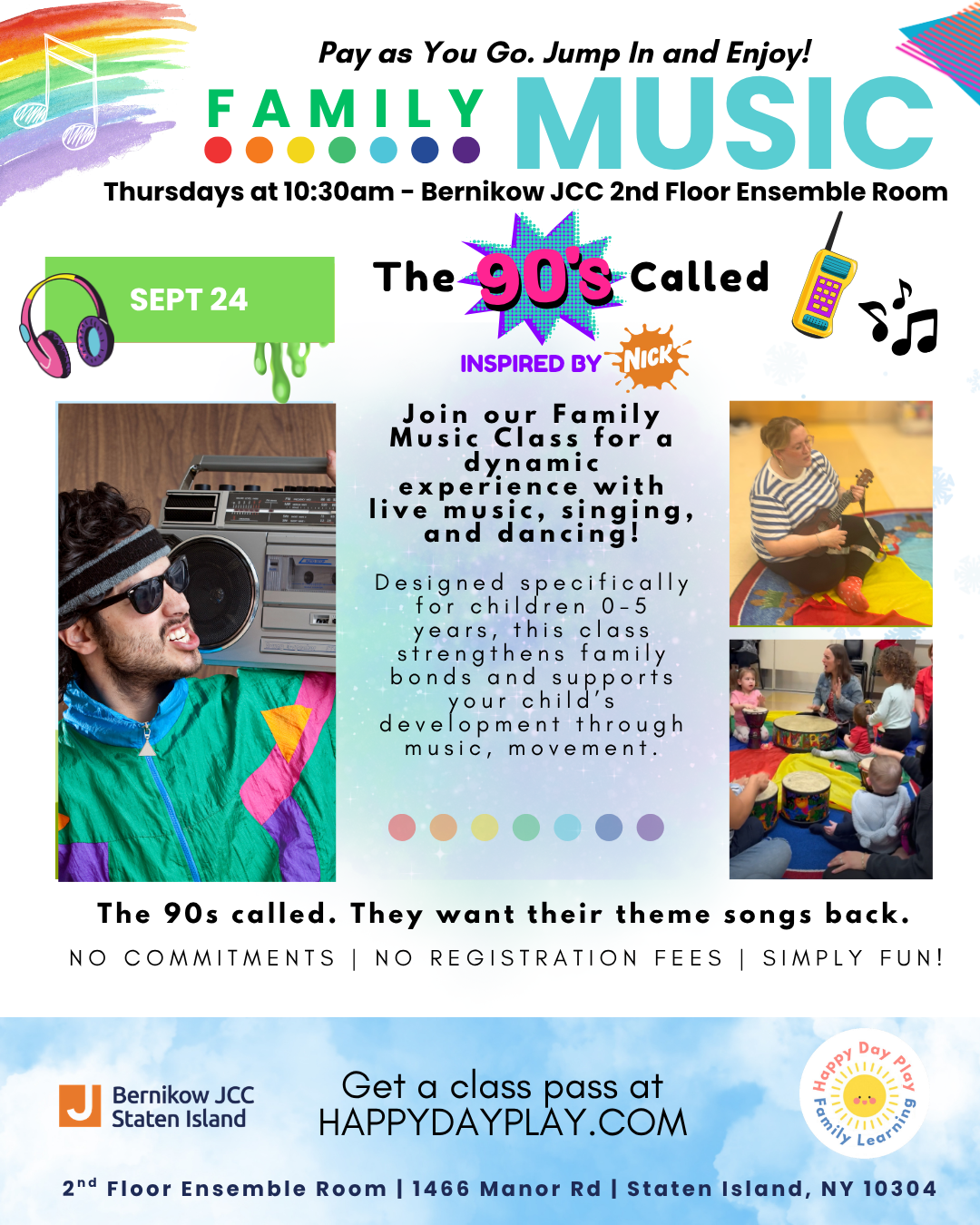
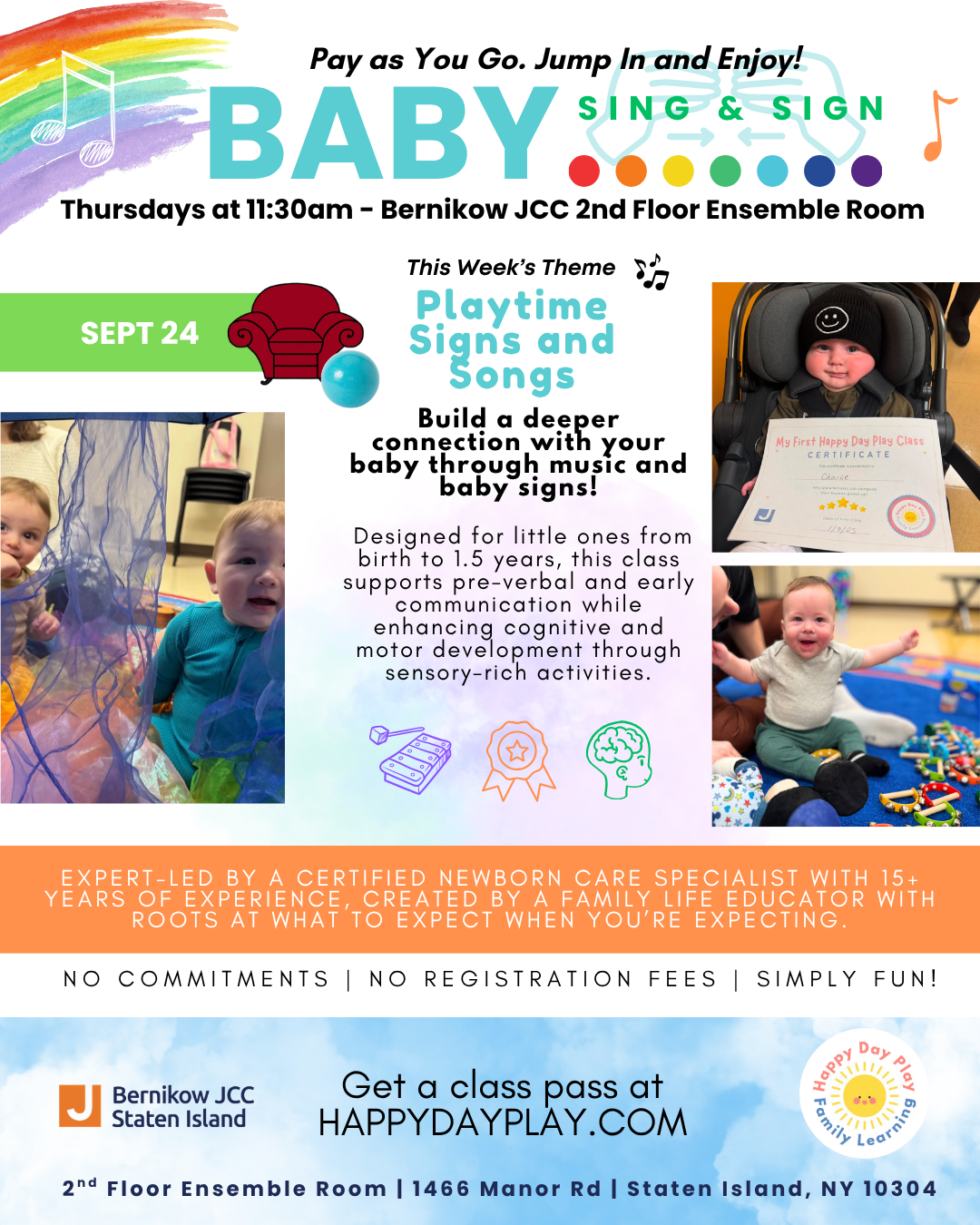
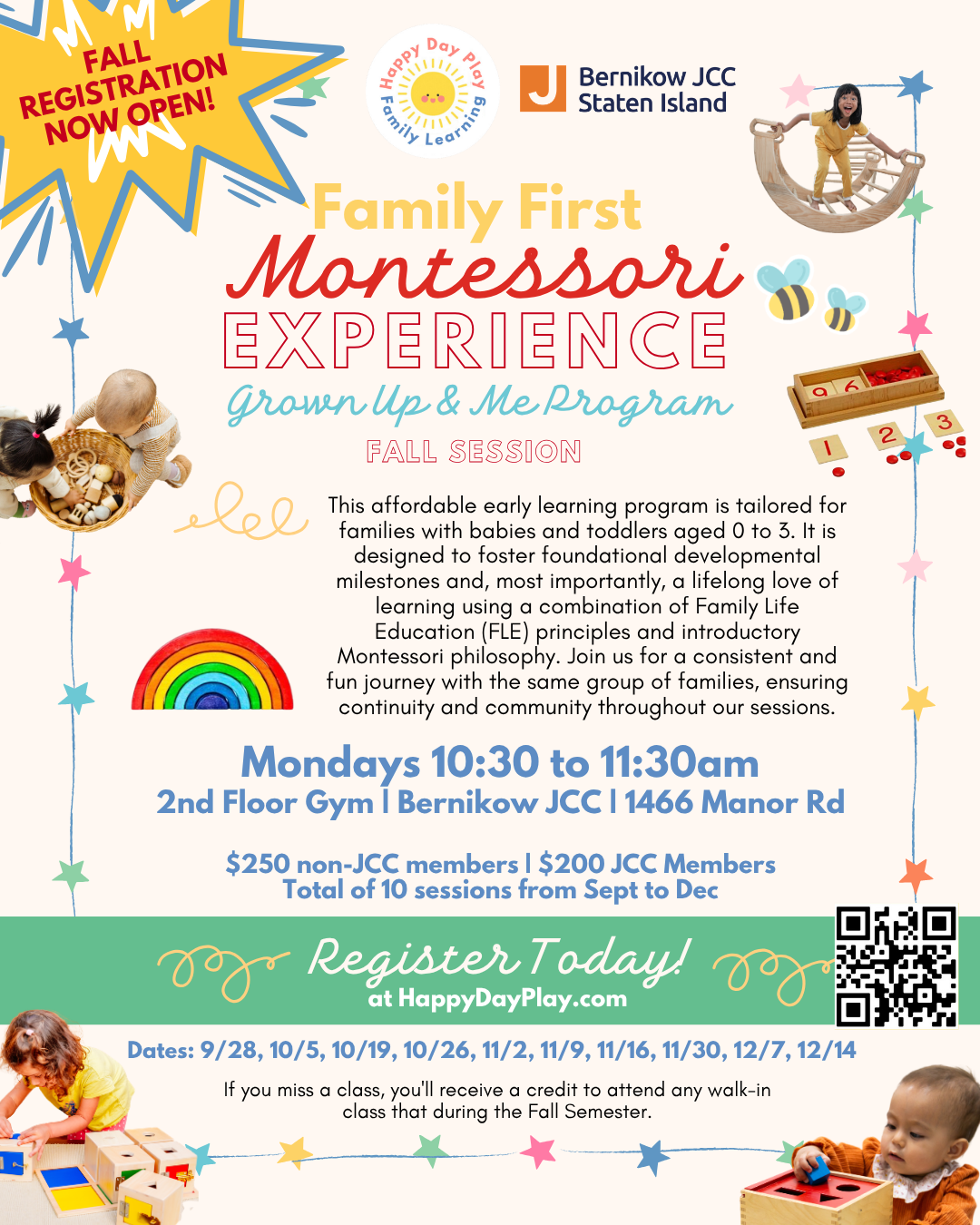
In Happy Day Play's Grown-Up & Me classes, you can watch it happen. The same boundary lands warmly from a present, regulated adult and harshly from a frazzled one. Building your own calm is the first move toward authoritative parenting, long before any script.
If you'd like to practice the warm-and-firm combination with a little support, Happy Day Play's Grown-Up & Me classes are walk-in, one price per family, with no commitment.
Key takeaways
- Authoritative parenting pairs high warmth with clear, consistent limits, and the two arrive together.
- Across decades of research, it's tied to the strongest outcomes for kids, including higher self-esteem, better social skills and stronger school performance.
- Many popular approaches, including gentle parenting, balanced attachment parenting and Triple P, are versions of authoritative parenting.
- The warm-and-firm combination depends on the parent's own regulation, so building your calm comes first.
Sources & further reading 7
- Iowa State University Digital Press. (2020). Baumrind's parenting styles. Parenting and Family Diversity Issues. iastate.pressbooks.pub
- UCLA Center for Mental Health in Schools. Authoritarian vs. authoritative parenting. School Mental Health Project. smhp.psych.ucla.edu
- Macalester College. (2024). Psychology professor's research offers first look at popular 'gentle parenting' movement. Macalester News. macalester.edu
- Greater Good Science Center, UC Berkeley. Why attachment parenting is not the same as secure attachment. Greater Good Magazine. greatergood.berkeley.edu
- Parenting and Family Support Centre, The University of Queensland. Triple P evidence base. PFSC Evidence. pfsc-evidence.psy.uq.edu.au
- The Conversation. From tiger to free-range parents: what research says about pros and cons of popular parenting styles. The Conversation. theconversation.com
- ZERO TO THREE. Your calm is their calm: co-regulation strategies for infants and toddlers. ZERO TO THREE. zerotothree.org
About this article
Every article on Happy Day Play is written by Kaitlynn Blyth herself, then checked against our published standards before it goes live. You can read exactly how we research, verify, and fact-check our work, and how we use and limit AI, in the policies below.
Last fact-checked June 15, 2026
Read More About Parenting